

No lockdown in Pakistan after political leaders fail to reach consensus
Govt also shelves plans for fuel rationing app, subsidy for motorcyclists

Business Desk
The Business Desk tracks economic trends, market movements, and business developments, offering analysis of both local and global financial news.
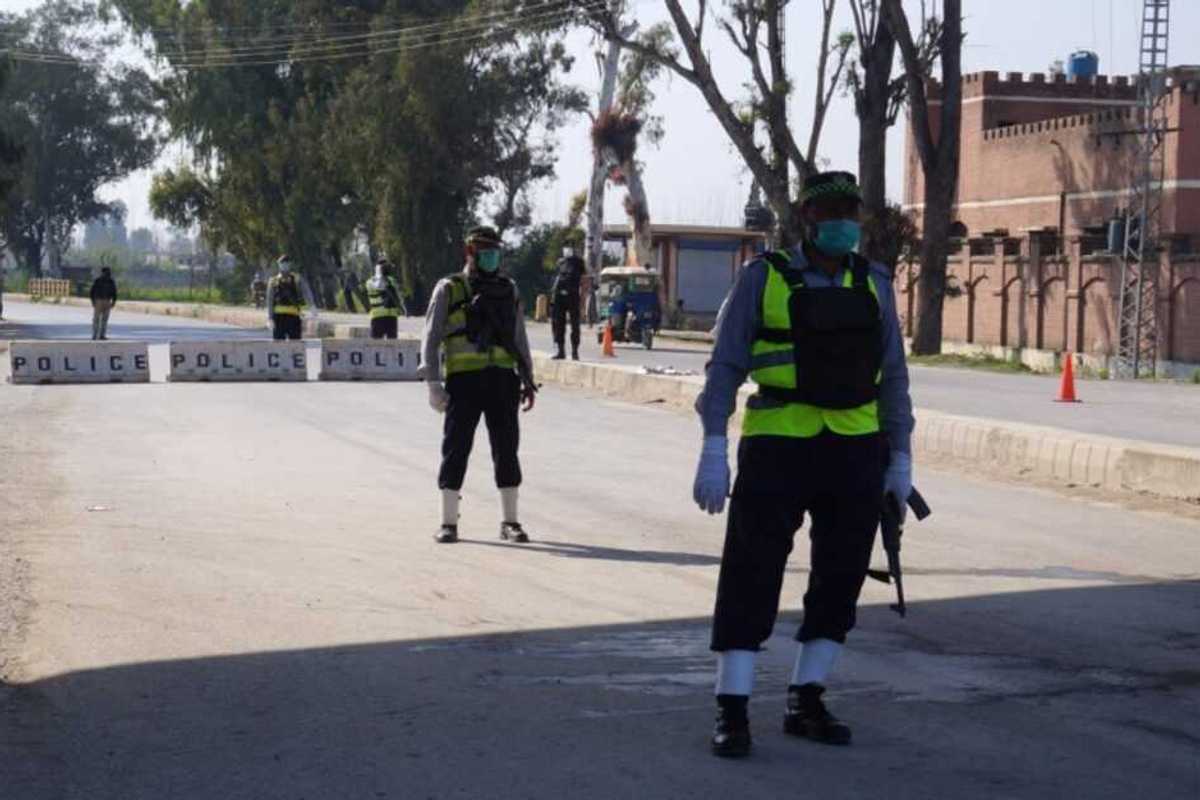
Pakistan has previously implemented smart lockdowns for targeted restrictions in specific areas rather than blanket nationwide closures during the COVID-19 pandemic
Reuters
Pakistan will not impose a “partial lockdown” across the country to cut fuel consumption, a meeting chaired by the president decided on Monday.
The lockdown, also called “smart lockdown”, had been considered as a potential energy-saving measure due to the rise in global oil prices after the US and Israel launched strikes on Iran.
However, sources said, no consensus could not be reached in the meeting attended by the prime minister and key federal ministers.
According to officials privy to discussion in the meeting the plan was shelved primarily due to strong opposition from all four provinces. The chief ministers unanimously expressed reservations over the proposal, arguing that such restrictions could place an additional burden on citizens already grappling with economic challenges.
Authorities have instead opted to pursue alternative steps to manage the situation while minimizing the burden on the public.
A proposal to provide subsidized fuel to motorcycle and rickshaw owners and the development of an app to monitor ration fuel supply have also been postponed for the time being.
Minister of State for Information Technology Shaza Fatima confirmed that fuel distribution through the app is no longer part of the government’s current plan.
Fatima said the IT ministry will inform the public about the application when appropriate, emphasizing that there is currently no fuel shortage. However, she acknowledged that the government is facing challenges related to the balance of payments.
Pakistan has previously implemented smart lockdowns – targeted restrictions in specific areas rather than blanket nationwide closures – during the COVID-19 pandemic.
The strategy was designed to curb movement and conserve resources without completely halting economic activity. However, given the current economic climate and lessons from past experiences, provincial governments appear reluctant to revisit the approach.
The federal government is now expected to announce a set of alternative steps focused on energy conservation and economic relief in the coming days.

Comments
See what people are discussing