

Number of missing in Nepal and China floods soars past 2,400 as death toll reaches 586
Rescuers in Nepal and China fought renewed flood threats and remote terrain to locate over 2,400 missing people after a glacial collapse triggered a wall of water and debris across the Himalayas, killing at least 586 people

News Desk
The News Desk provides timely and factual coverage of national and international events, with an emphasis on accuracy and clarity.
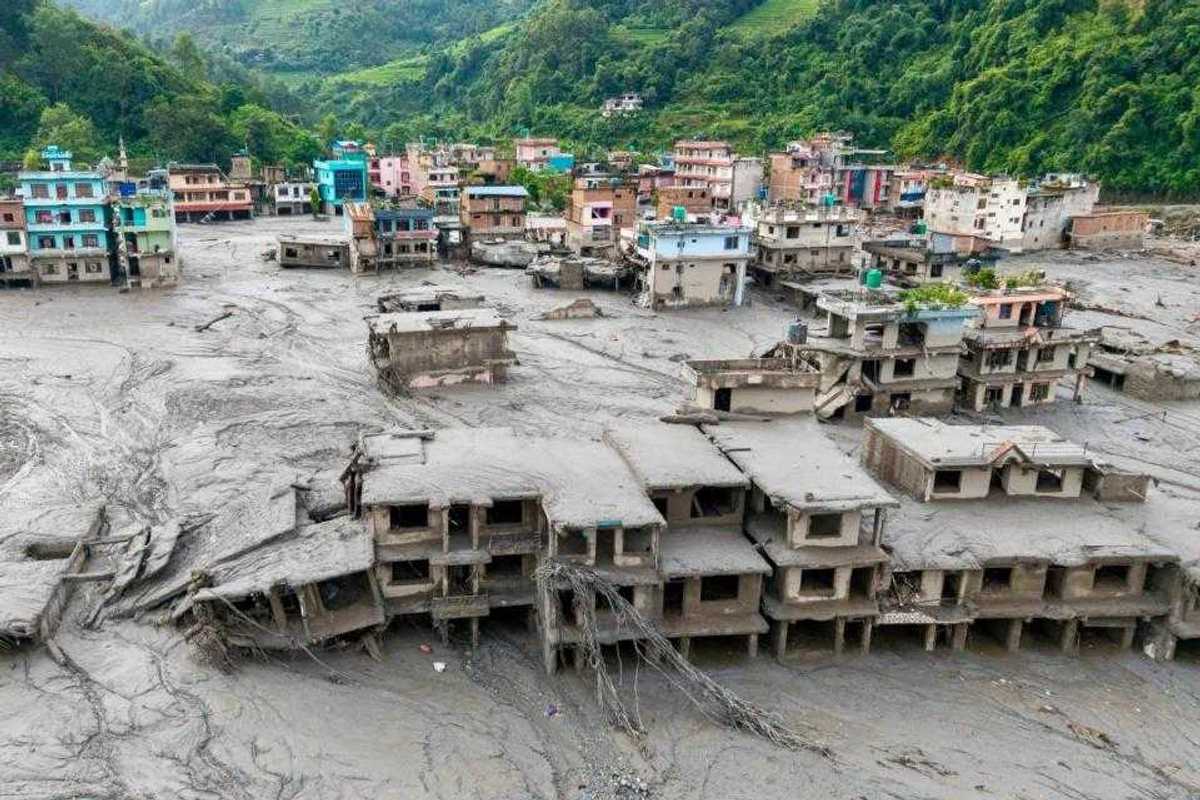
Emergency search and rescue teams across northern Nepal and the Tibetan border region were battling on Saturday, August 29, 2026, to locate more than 2,400 missing people following Wednesday's devastating glacial collapse.
Confirmed fatalities from the catastrophe reached 586, with floodwaters carrying victim remains downstream into neighboring India.
Why did the missing person toll surge past 2,400?
The official missing count jumped dramatically after Nepal’s National Disaster Risk Reduction and Management Authority added 933 missing hydropower sector workers to existing registries of stranded trekkers, local residents, and foreign pilgrims. The total includes 1,924 individuals unaccounted for in Nepal—among them 517 foreign nationals—and 554 missing persons reported by Chinese authorities in Tibet.
According to Channel NewsAsia, recovery teams have retrieved 579 bodies within Nepal and seven in Tibet. Indian disaster authorities in Uttar Pradesh separately confirmed recovering at least seven flood victims from river channels flowing across the international border.
How are rescue crews responding to trapped workers and renewed flood threats?
Military personnel and specialized emergency crews focused rescue operations on the Trishuli River basin, where catastrophic debris flows engulfed major hydroelectric infrastructure. Nepali Army units deployed transport helicopters to reach over 100 workers trapped inside subterranean tunnels at the Trishuli 3A hydropower project after rescuing approximately 350 personnel and residents from the surrounding complex.
Coverage from The Guardian notes that search efforts faced temporary halts due to warnings of secondary outburst floods from unstable debris dams. While Chinese monitoring agencies temporarily suspended search operations near Gyirong Port after a debris-dammed lake began overflowing, water levels subsequently receded, allowing ground operations, drone surveys, and relief distribution to resume.





Comments
See what people are discussing