

Oil tanker catches fire after hitting naval mine in Strait of Hormuz, Iran’s Revolutionary Guards say
An oil tanker caught fire in the southern Strait of Hormuz after striking a naval mine while transiting with disabled navigation systems, marking the third tanker damaged by mines within 48 hours amid Tehran's strict maritime controls and US naval counter-blockades

News Desk
The News Desk provides timely and factual coverage of national and international events, with an emphasis on accuracy and clarity.
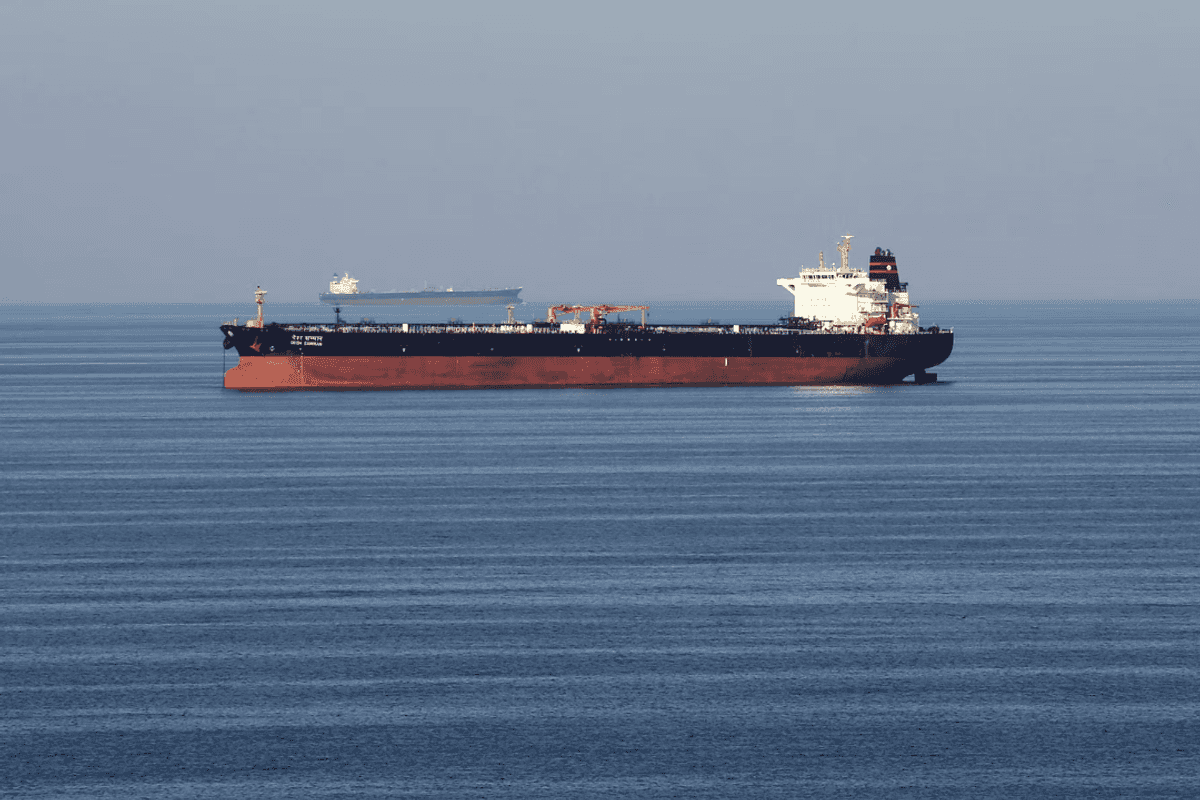
An oil tanker caught fire in the Strait of Hormuz on Monday, October 19, after striking a naval mine, Iran’s Islamic Revolutionary Guard Corps (IRGC) announced, marking the third tanker damaged in the contested waterway in less than 48 hours.
What occurred during the latest tanker incident in the Strait of Hormuz?
According to a statement carried by Iranian state media, the commercial vessel suffered an explosion and a subsequent fire in its engine room after detonating a naval mine in the southern reaches of the strait. The IRGC asserted that the vessel violated maritime transit regulations by navigating into the strait's "unauthorized southern route" while deactivating its automated positioning and navigation transponders.
The incident follows a Sunday announcement by the Guards confirming that two other commercial oil tankers caught fire in the waterway under similar circumstances after striking submerged mines. The explosions follow explicit warnings issued earlier in the week by IRGC Naval Commander Admiral Ali Ozmaei, who declared that any merchant vessel switching off its tracking and navigation systems while navigating the chokepoint would be classified as a hostile contact by Iranian coastal defense forces.
How has the waterway standoff escalated between Iran and the United States?
The mine strikes reflect an intensifying maritime confrontation following Tehran's assertion of direct control over the Strait of Hormuz after open conflict erupted between Iran, the United States, and Israel in late February 2026. The waterway, which historically accommodates roughly one-fifth of global petroleum shipments, has remained severely constricted as Tehran enforces mandatory prior authorization protocols for all commercial traffic seeking passage.
In response to Tehran’s restrictions on regional shipping lanes, the United States deployed naval assets to enforce a maritime counter-blockade targeting Iranian crude oil exports. The compounding cycle of mine warfare, vessel interdictions, and unilateral security mandates has disrupted Persian Gulf energy logistics, forcing commercial maritime operators to either suspend tanker traffic or absorb severe security and insurance risks.
According to IRNA, international maritime security agencies have issued urgent advisories instructing commercial vessels in the Gulf of Oman and the Strait of Hormuz to maintain maximum vigilance and keep automated tracking beacons active despite conflicting regional directives.




Comments
See what people are discussing