Pakistan and Qatar are actively coordinating an urgent diplomatic push to bring the United States and Iran back to the negotiating table following a sharp escalation in Middle East hostilities, CNN reports.
This high-level mediation comes as a month-old ceasefire between Washington and Tehran faces severe strain after both nations traded direct airstrikes this week.
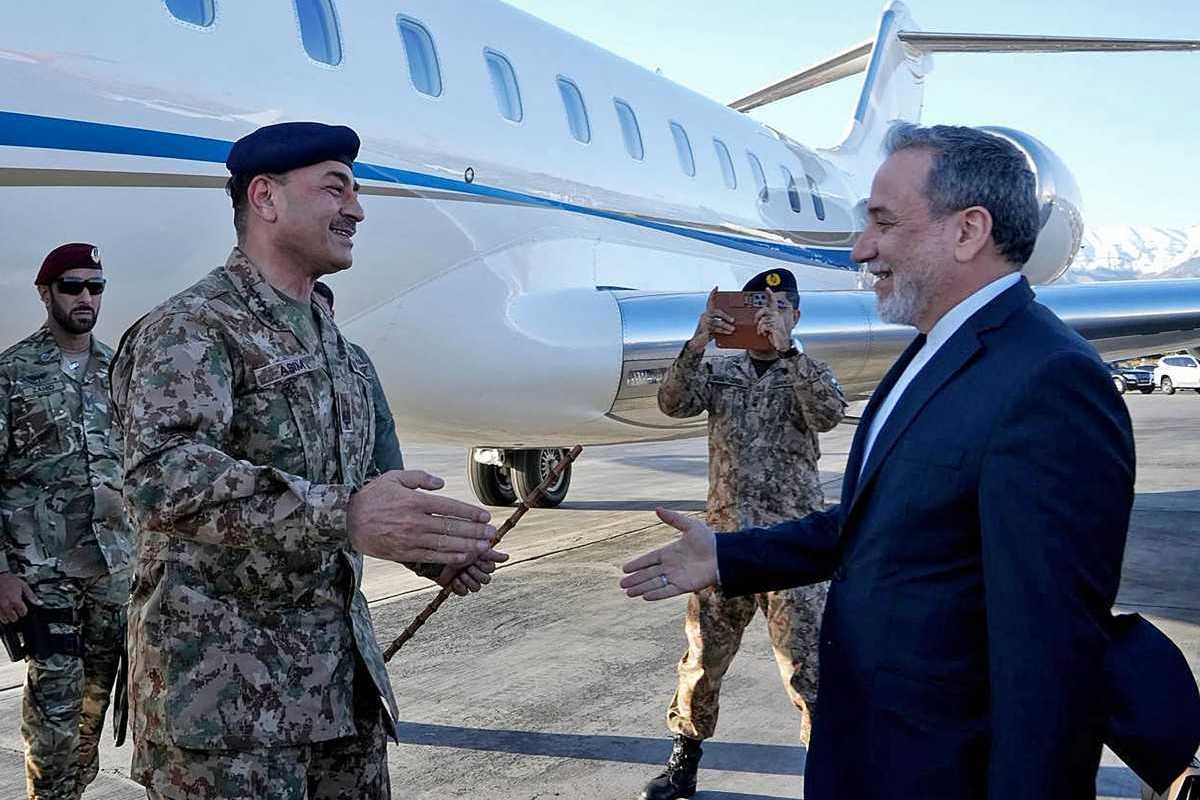
In a direct bid to leverage regional diplomacy, Iran's foreign minister spoke directly with Pakistan's Army Chief Field Marshal Asim Munir to align their security perspectives, according to the Iranian news agency IRNA.
Why is the United States continuing technical talks with Iran?
According to CNBC, the United States will continue technical talks with Iran because Washington remains deeply committed to finding a diplomatic solution to the ongoing regional conflict despite recent kinetic engagements. While frontline military operations have scaled up, backchannel communication channels remain operational to prevent an uncontrolled escalation across the Gulf.
The latest friction was triggered by offensive retaliatory strikes launched by the US military after three commercial vessels transiting the strategic Strait of Hormuz came under attack.
Following these maritime incidents, the US Treasury Department swiftly withdrew an economic waiver that had previously permitted Iran to export its oil.
However, the political rhetoric from the White House remains highly volatile following the strikes. Speaking at a NATO summit in Ankara, Turkey, President Donald Trump characterized Iran's attacks on commercial vessels as acts of terrorism and declared that the bilateral ceasefire was officially over.
Trump noted that the memorandum of understanding between the two countries is strictly performance-based, framing Iran’s recent actions as a failed performance at an unacceptable level.
How has Iran responded to the reinstatement of US oil sanctions?
Iranian officials have countered the American narrative, accusing Washington of reneging on its commitments and failing to honor the memorandum of understanding by reinstating oil sanctions.
Tehran also cited persistent US naval maneuvers and violations of Iranian adjustments in the Strait of Hormuz as direct breaches of the original agreement.
Upon his return from the NATO summit, Trump stated that Iranian officials had reached out to propose an emergency deal to halt the escalating hostilities.
While acknowledging Tehran's interest, Trump openly questioned the diplomatic credibility of the Islamic Republic, stating he remains skeptical about whether they will honor any long-term pacts. The ongoing conflict was the central focus of a recent address in Washington, D.C., where Trump spoke alongside CIA Director John Ratcliffe and Defense Secretary Pete Hegseth.
The Iranian minister strongly condemned the public rhetoric of US officials, labeling Washington's refusal to adhere to the memorandum as a clear sign of a breach of the treaty and a continuation of war-mongering policies. Both Pakistan and Qatar continue to engage with regional stakeholders to prevent further military escalation.






Comments
See what people are discussing