

Pakistan army chief arrives in Tehran to mediate US-Iran talks
Pakistan's Field Marshal Asim Munir has arrived in Tehran to advance US-Iran negotiations, as Trump warns a deal could come within days

Aamir Abbasi
Editor, Islamabad
Aamir; a journalist with 15 years of experience, working in Newspaper, TV and Digital Media. Worked in Field, covered Big Legal Constitutional and Political Events in Pakistan since 2009 with Pakistan’s Top Media Organizations. Graduate of Quaid I Azam University Islamabad.
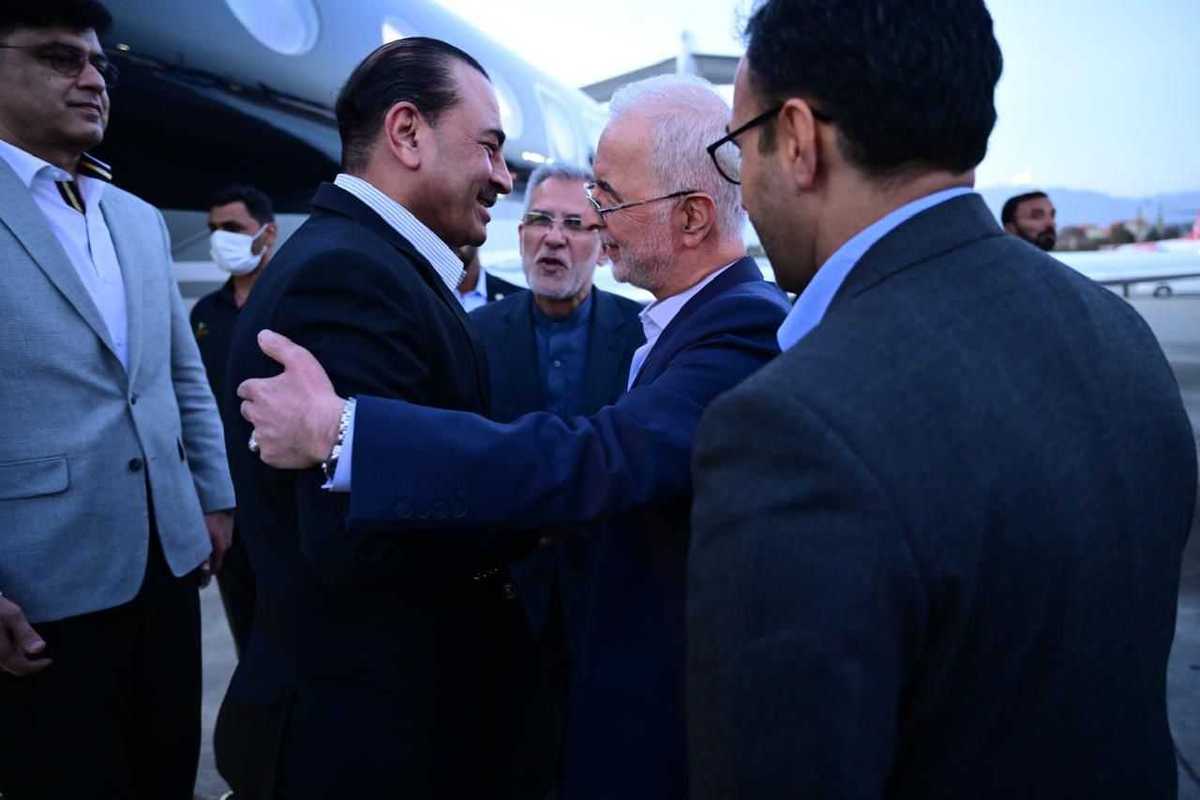
Chief of Army Staff and Chief of Defense Staff, Field Marshal Syed Asim Munir, arrives in Tehran on May 22, 2026.
ISPR
Pakistan's Chief of Army Staff and Chief of Defense Staff, Field Marshal Syed Asim Munir, arrived in Tehran on Friday as part of ongoing mediation and diplomatic efforts, Pakistan's military said.
He was received by Iranian Interior Minister Eskandar Momeni, with Pakistan's Federal Interior Minister Mohsin Naqvi also present at the reception. The visit reflects Pakistan's expanding role as a key intermediary between Washington and Tehran.
What is Pakistan's role in the US-Iran talks?
Pakistan is serving as a key diplomatic intermediary, facilitating communication between the United States and Iran.
Islamabad hosted the only direct face-to-face talks between both sides since the conflict began on February 28.
Munir's Tehran visit aims to streamline communication channels and help accelerate progress toward a deal, according to three sources familiar with the negotiations.
What will Pakistan's army chief discuss in Tehran?
High-level engagements are expected to focus on regional security, diplomatic coordination, and matters of mutual interest between Pakistan and Iran.
The visit follows Interior Minister Mohsin Naqvi travelling to Iran for the second time in a week on Wednesday.
Iranian media, including ISNA, had earlier reported that Munir could visit Tehran as early as Thursday, though Pakistani authorities had not publicly confirmed the trip before the ISPR announcement.
What has the US said about Pakistan's mediation efforts?
US Secretary of State Marco Rubio said Thursday he hoped Pakistani mediation could help advance negotiations aimed at ending the conflict with Iran.
"I believe the Pakistanis will be travelling to Tehran today. So hopefully that'll advance this further," Rubio told reporters.
US President Donald Trump said negotiations were on the "borderline" between reaching a deal and renewed attacks.
Where do US-Iran negotiations stand right now?
A ceasefire on April 8 halted fighting that began weeks earlier between the United States, Israel, and Iran. Since then, both sides have exchanged proposals while warnings of renewed conflict have persisted.
Trump said Wednesday that an agreement could come "very quickly" or "in a few days," but warned Iran would need to provide "100 percent good answers."
How has Iran responded to the latest US proposals?
Iranian Foreign Ministry spokesman Esmaeil Baqaei said Tehran was reviewing proposals from Washington while reiterating demands for the release of frozen Iranian assets and an end to the US naval blockade.
Iranian negotiator Mohammad Bagher Ghalibaf warned Wednesday that Iran would respond forcefully to any new attack. Tehran has remained on alert over the possibility of renewed military action.
Is China also involved in mediating the conflict?
Beijing announced that Pakistani Prime Minister Shehbaz Sharif will travel to China on Saturday, signalling continued coordination between the two allies.
China has also been involved in mediation efforts related to the conflict. Rubio separately criticised NATO allies for declining to support the war effort against Iran.
What is the current status of the Strait of Hormuz?
The ceasefire has not reopened the Strait of Hormuz, a strategic waterway carrying roughly one-fifth of the world's oil and liquefied natural gas shipments.
Iran imposed restrictions on traffic through the strait during the conflict, allowing limited vessel movement and introducing a toll system.
Iran's newly established authority overseeing Hormuz also claimed its area of control extends into Emirati waters, drawing criticism from the United Arab Emirates.




Comments
See what people are discussing