

Pakistan car sales grow strongly in Feb despite monthly dip
Passenger car sales up 42% year-on-year as market cools after seasonal surge

Business Desk
The Business Desk tracks economic trends, market movements, and business developments, offering analysis of both local and global financial news.
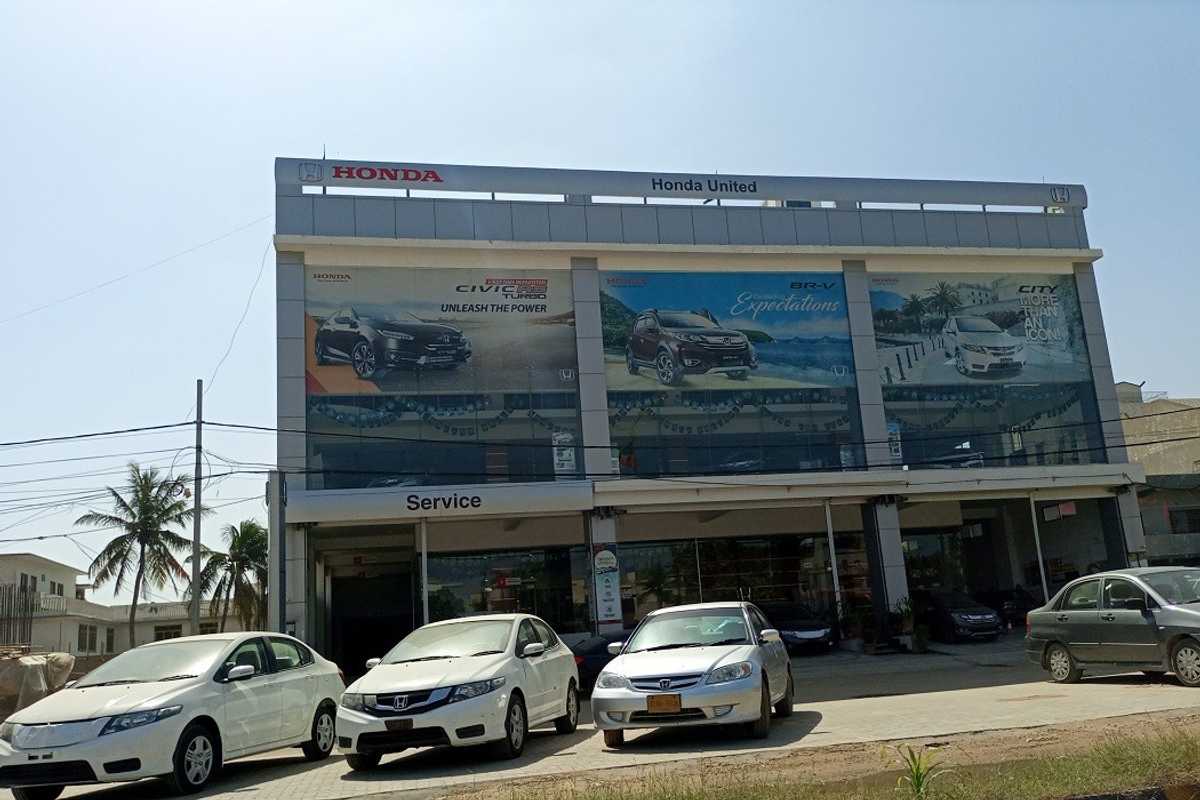
Pakistan’s automobile sales rose sharply from a year earlier in February but declined from January levels, as the market cooled after a seasonal surge in new-year registrations, brokerage houses said Tuesday.
Passenger car sales totaled 17,121 units in February, up 42% year-on-year but down 26% month-on-month, according to data released by the Pakistan Automotive Manufacturers Association (PAMA).
The February performance brought cumulative car sales in the first eight months of fiscal year 2026 to 128,498 units, a 43% increase compared with 89,770 units in the same period last year.
Analysts at Intermarket Securities said the month-on-month drop largely reflected a high base in January, when buyers typically accelerate purchases to obtain new-year vehicle registrations, along with fewer working days in February.
“The sequential decline largely reflects the January effect, where deferred consumer demand ahead of new model launches boosted sales earlier,” the brokerage said in a note.
At the same time, analysts at Topline Securities said year-on-year growth remained strong due to lower interest rates, easing inflation, improving macroeconomic sentiment and new entrants in the market.
Passenger car sales climbed 51% from a year earlier to 13,388 units, while the LCV and pickup segment rose 17% to 3,733 units, according to brokerage estimates based on PAMA data.
Company performance
Sales varied widely among major assemblers.
Pak Suzuki Motor Company remained the largest seller with 8,160 units, up 53% year-on-year but down 25% month-on-month.
Indus Motor Company reported 3,817 units, marking a 46% increase year-on-year but a 25% monthly decline. Sales of its Corolla, Yaris and Cross models rose 70% year-on-year to 3,102 units, while Fortuner and IMV models fell 10% year-on-year to 715 units, partly due to growing competition from Chinese brands. The company maintained a 22% market share, analysts said.
Honda Atlas Cars Pakistan sold 2,114 units, up 3% year-on-year but down 42% month-on-month. Sales of City and Civic sedans slipped 1% year-on-year to 1,861 units, while SUV models BR-V and HR-V climbed 42% year-on-year to 253 units. Honda’s market share fell 47 basis points to 12%, according to Intermarket Securities.
Sazgar Engineering Works posted the fastest growth, selling 1,682 vehicles, a 90% year-on-year jump, though sales declined 16% from January. The company’s three-wheeler sales were flat at 2,704 units.
Hyundai Nishat Motors was the only major assembler to post a year-on-year decline, selling 1,021 units, down 3%, though sales were broadly unchanged from the previous month.
Motorcycles and other segments
Motorcycle and three-wheeler sales totaled 159,512 units in February, up 24% year-on-year but down 12% month-on-month, bringing 8MFY26 volumes to about 1.3 million units, a 31% increase from the same period last year.
Market leader Atlas Honda sold 136,001 units, up 26% year-on-year but down 13% from January, giving it an 85% market share, analysts said.
In the agriculture segment, tractor sales rose 12% year-on-year but fell 31% month-on-month to 1,717 units, as deliveries under the Punjab tractor subsidy scheme neared completion and volumes normalized.
Meanwhile, truck and bus sales increased 37% year-on-year but dropped 40% month-on-month to 664 units, reflecting the same January base effect.
Analysts expect the sector to maintain positive momentum through 2026, supported by lower interest rates, easing inflation and improving economic activity.
Intermarket Securities said demand could also benefit from new hybrid and plug-in hybrid vehicle launches, though risks remain from intensifying competition from Chinese automakers and pending regulatory clarity on Pakistan’s New Energy Vehicles policy.
Topline Securities added that potential supply disruptions to imported parts could arise if geopolitical tensions in the Middle East affect key shipping routes, posing a risk to local assemblers reliant on imported CKD kits.




Comments
See what people are discussing