

Pakistan central bank flags rising risks from Middle East tensions, stresses fiscal discipline
Monetary Policy Committee warns higher energy costs could push inflation above 7%

Business Desk
The Business Desk tracks economic trends, market movements, and business developments, offering analysis of both local and global financial news.
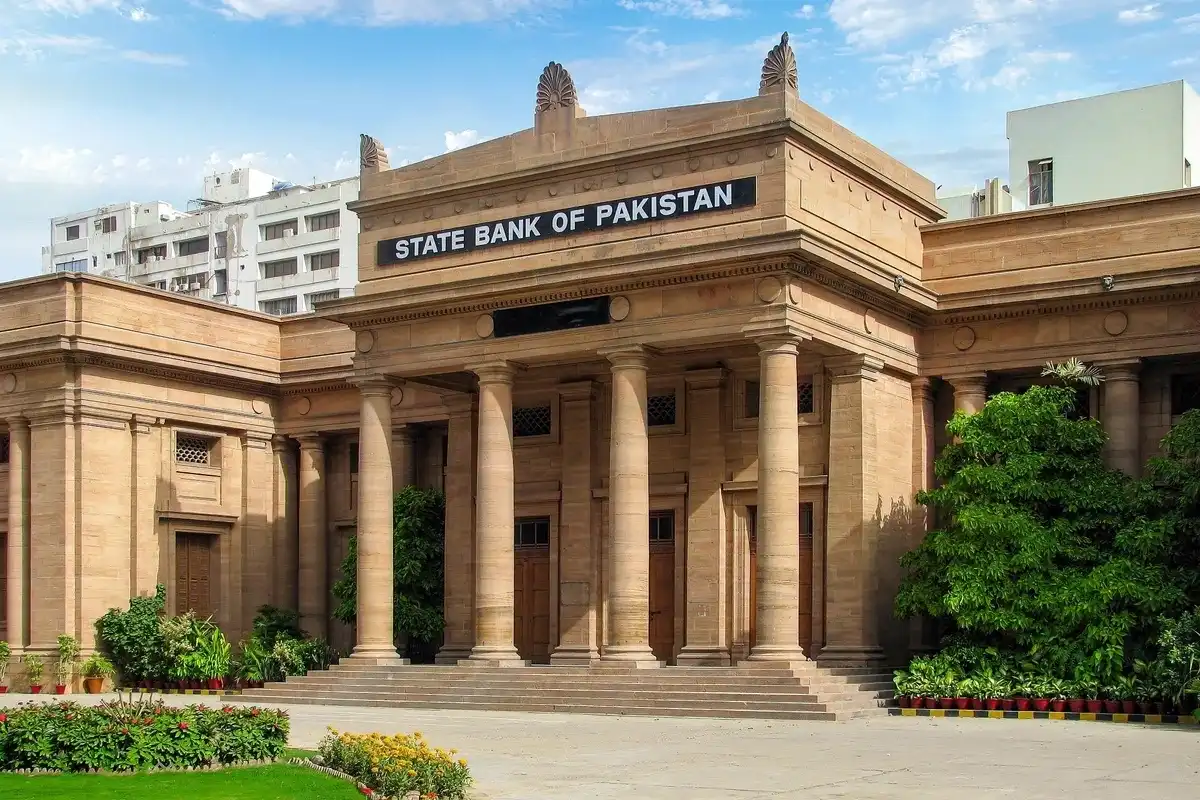
The State Bank of Pakistan’s Monetary Policy Committee (MPC) has warned of growing economic risks from escalating geopolitical tensions in the Middle East, while emphasizing the need for continued fiscal discipline and structural reforms.
According to the minutes of its March 9 meeting that were released today, the MPC said the macroeconomic outlook has become more uncertain following the conflict, with rising global energy prices and supply-chain disruptions posing challenges for Pakistan’s economy.
External pressures intensify
The central bank’s staff told the committee that international oil and liquefied natural gas prices have risen by about 28.1% and 38%, respectively, as of March 6, reflecting supply concerns and disruptions to shipping routes.
The surge in energy, freight and insurance costs has worsened Pakistan’s terms of trade and increased supply-chain pressures, the minutes said.
The MPC also noted elevated global trade uncertainty following a U.S. Supreme Court decision on tariffs and subsequent plans to impose a 10% global tariff, which could affect trade flows.
Inflation outlook deteriorates
Inflation has picked up in recent months, with headline inflation rising to 5.8% in January and around 7% in February, driven by base effects and electricity tariff adjustments, while core inflation remained elevated.
The staff projected that inflation could rise faster than previously expected due to higher global energy prices, increased logistics costs and ongoing base effects.
Despite some expected relief from improved food supply and favorable Rabi crop prospects, inflation is likely to remain above 7% for the rest of fiscal year 2026, with “significant uncertainty” tied to commodity prices and geopolitical risks.
Fiscal discipline, reforms emphasized
The MPC warned that rising external pressures have made fiscal management more challenging and stressed the need to maintain momentum in fiscal consolidation.
It highlighted the importance of broadening the tax base and implementing structural reforms to safeguard macroeconomic stability and support sustainable growth.
The committee said the economic outlook remains vulnerable to external shocks, particularly those linked to geopolitical developments.
Credit growth, economy show resilience
On monetary indicators, broad money (M2) growth eased to 16% year-on-year by Feb. 20, mainly due to slower government borrowing. Private sector credit showed signs of recovery, rising 11.4% year-on-year, with lending driven by textiles, trade, chemicals and consumer financing.
Total credit disbursement reached PKR 789.7 billion by Feb. 20, compared with PKR 664.9 billion a year earlier.
The MPC maintained its real GDP growth projection at 3.75% to 4.75% for fiscal year 2026, supported by improved agricultural output and policy measures aimed at boosting industrial activity.
However, it reiterated that the outlook remains subject to “considerable downside risks,” particularly from ongoing geopolitical uncertainty in the Middle East.



Comments
See what people are discussing