

Pakistan, China stress diplomacy as Middle East tensions test fragile ceasefire
Ishaq Dar reaffirms dialogue as key to lasting peace, while Jiang Zaidong praises Pakistan’s proactive role in promoting regional stability and de-escalation
Aamir Abbasi
Editor, Islamabad
Aamir; a journalist with 15 years of experience, working in Newspaper, TV and Digital Media. Worked in Field, covered Big Legal Constitutional and Political Events in Pakistan since 2009 with Pakistan’s Top Media Organizations. Graduate of Quaid I Azam University Islamabad.
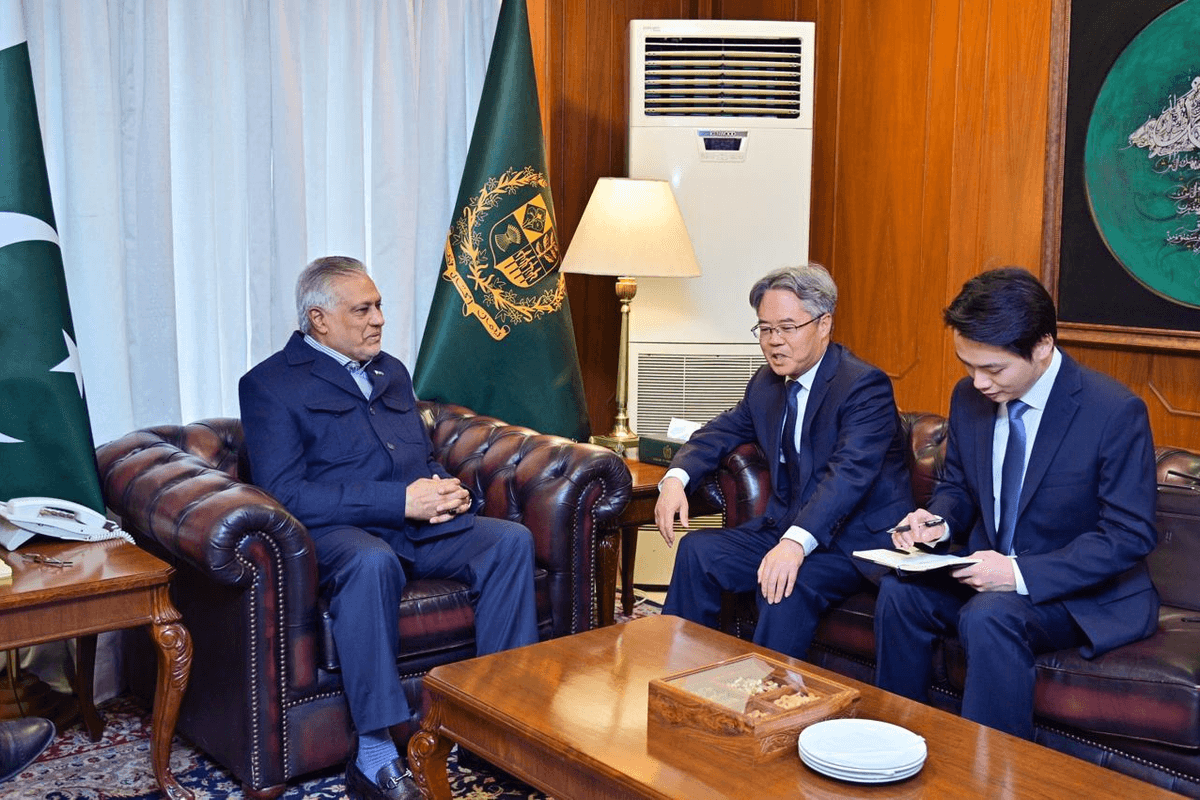
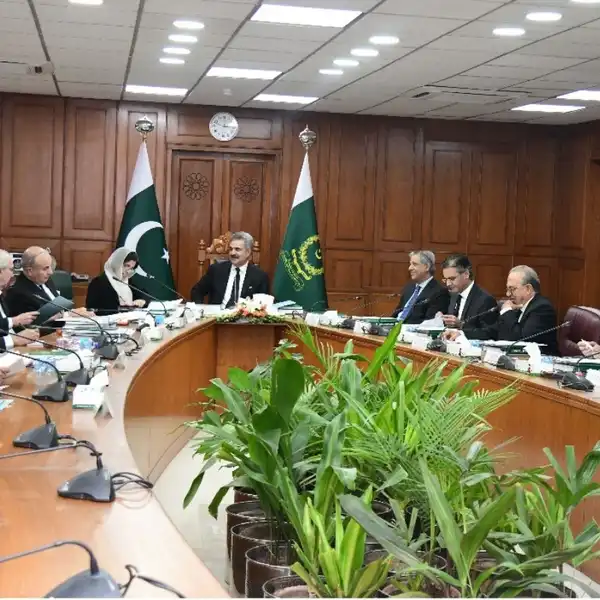
Chinese Ambassador Jiang Zaidong meets Pakistan's Deputy Prime Minister and Foreign Minister Ishaq Dar in Islamabad on Wednesday.
GOP
Pakistan and China reaffirmed their commitment to dialogue and diplomacy to support peace in the Middle East and West Asia, as a fragile ceasefire between United States and Iran raised cautious hopes for de-escalation.
Chinese Ambassador Jiang Zaidong met Pakistan's Deputy Prime Minister and Foreign Minister Ishaq Dar in Islamabad on Wednesday, the foreign ministry said, with both sides underscoring the need for sustained diplomatic engagement to ensure regional stability.
Dar reiterated Pakistan’s longstanding position that conflicts must be resolved through dialogue, stressing that diplomacy remains critical to achieving durable peace in a region facing complex geopolitical challenges.
Jiang welcomed Pakistan’s “constructive and proactive” role in promoting peace, particularly in the Middle East and the Gulf, and conveyed Beijing’s recognition of Islamabad’s efforts to support de-escalation.
Both sides expressed optimism that ongoing diplomatic initiatives could lead to lasting stability in the broader region, in the interest of all stakeholders.
The meeting came after Washington and Tehran agreed to a two-week ceasefire, mediated by Pakistan, shortly before a deadline set by U.S. President Donald Trump for Iran to reopen the strategic Strait of Hormuz or face military action.
Both countries claimed success in the more than month-long conflict that disrupted global financial markets and drove oil prices sharply higher, with Trump describing the agreement as a “total and complete victory” for the United States.
Iran also portrayed the ceasefire as a win and said it had agreed to resume talks with Washington, expected to begin on Friday in Pakistan, as part of efforts to end the conflict.
Prime Minister Shehbaz Sharif said Islamabad would host delegations from both sides on April 10 for what he called the “Islamabad Talks,” aimed at building on the ceasefire and working toward a broader settlement.
Trump had set a deadline for Iran to reopen Hormuz by 0000 GMT Wednesday. Iranian Foreign Minister Abbas Araghchi later confirmed safe passage for shipping through the waterway for two weeks.
The Strait of Hormuz, through which about a fifth of the world’s oil supply passes, had been closed by Tehran in response to hostilities that began on February 28.

Comments
See what people are discussing