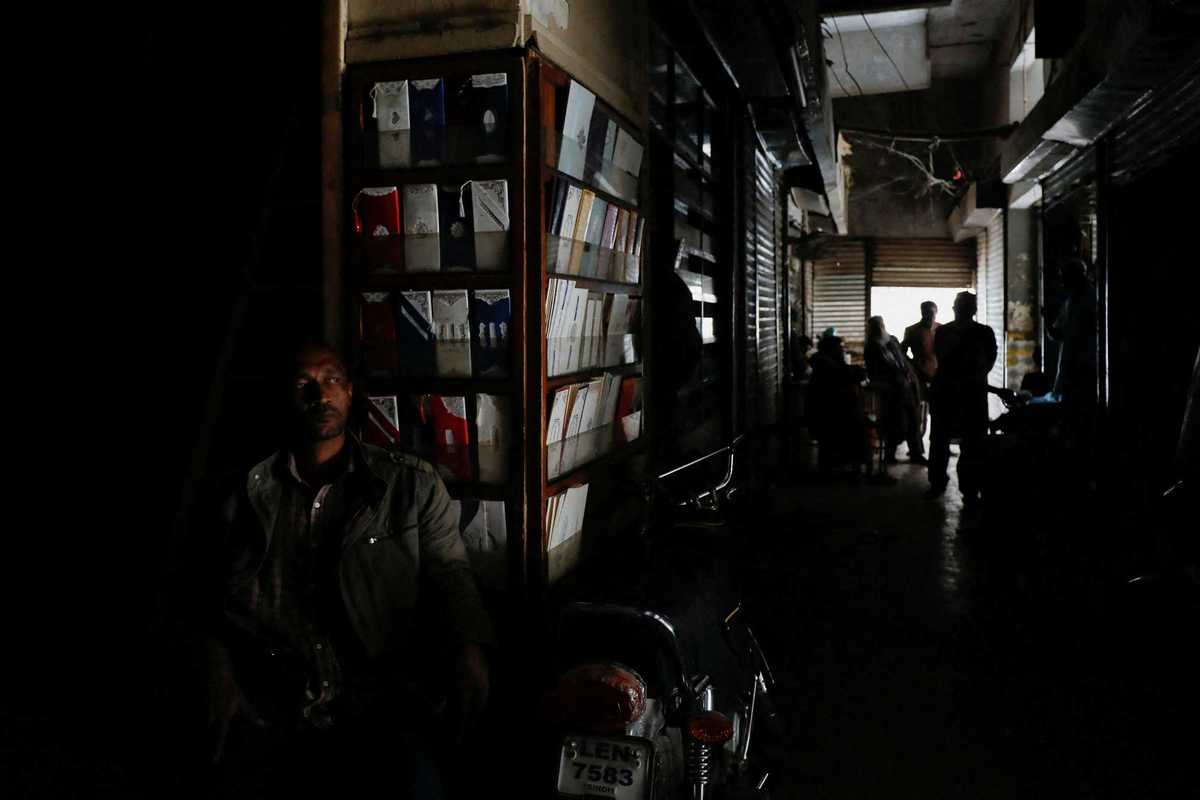
Pakistan's electricity consumers are getting cheaper bills this month, but there is a catch. They will just have to read them in the dark.
The Power Division said it extended PKR 46 billion in relief to consumers between July and February, with electricity rates reduced by PKR 0.71 per unit through greater reliance on low-cost energy sources and more efficient capacity management.
Transmission and administrative losses were also reduced to keep costs in check, the division's spokesperson said.
The relief, however, comes with a catch. With global fuel prices rising and peak-hour demand climbing, the government has introduced 2.5 hours of daily load management between 5:00 PM and 1:00 AM to avoid drawing on expensive fuel. Without this measure, the spokesperson warned, electricity prices could have risen by as much as PKR 5 to PKR 6 per unit.
The government said 80 MMCFD of local gas has been allocated to power plants, preventing an additional 80-paisa per unit price increase. Even with these steps, a price rise of around PKR 1.5 per unit remains possible, the spokesperson cautioned.
Prime Minister Shehbaz Sharif has been personally monitoring the situation, with specific instructions that electricity prices must not rise unfairly, the division said. Distribution companies have been directed to share outage schedules with consumers at all levels to ensure transparency.
The Power Division also announced the timely closure of commercial markets at federal and provincial levels as part of its Peak Hour Price Relief Strategy, aimed at reducing demand during high-cost periods and further limiting the pressure on electricity tariffs.
Relief for KE, HESCO
The government has decided not to implement approximately two and a half hours of load management (load shedding) in HESCO and K-Electric, said a Power Division spokesperson.
According to the spokesperson, relief from cheaper electricity generated through alternative sources in the southern region will be passed on to the public.
The spokesperson further explained that the reason for not carrying out load management in these two distribution companies (DISCOs) is their reduced dependence on furnace oil. There is an abundance of relatively inexpensive electricity available in the southern parts of the country, generated through alternative sources.
It was elaborated that the cheaper electricity produced in the south is being consumed within these same distribution networks. As a result, consumers in these areas are not being subjected to unnecessary inconvenience, since the availability of low-cost power allows for a more stable supply.







Comments
See what people are discussing