

Pakistan cuts petrol price by Rs74 per liter as global oil rates fall
PM Shehbaz cuts petrol price by Rs74, diesel by Rs67 for next fortnight, passing on relief from falling global oil rates

Business Desk
The Business Desk tracks economic trends, market movements, and business developments, offering analysis of both local and global financial news.
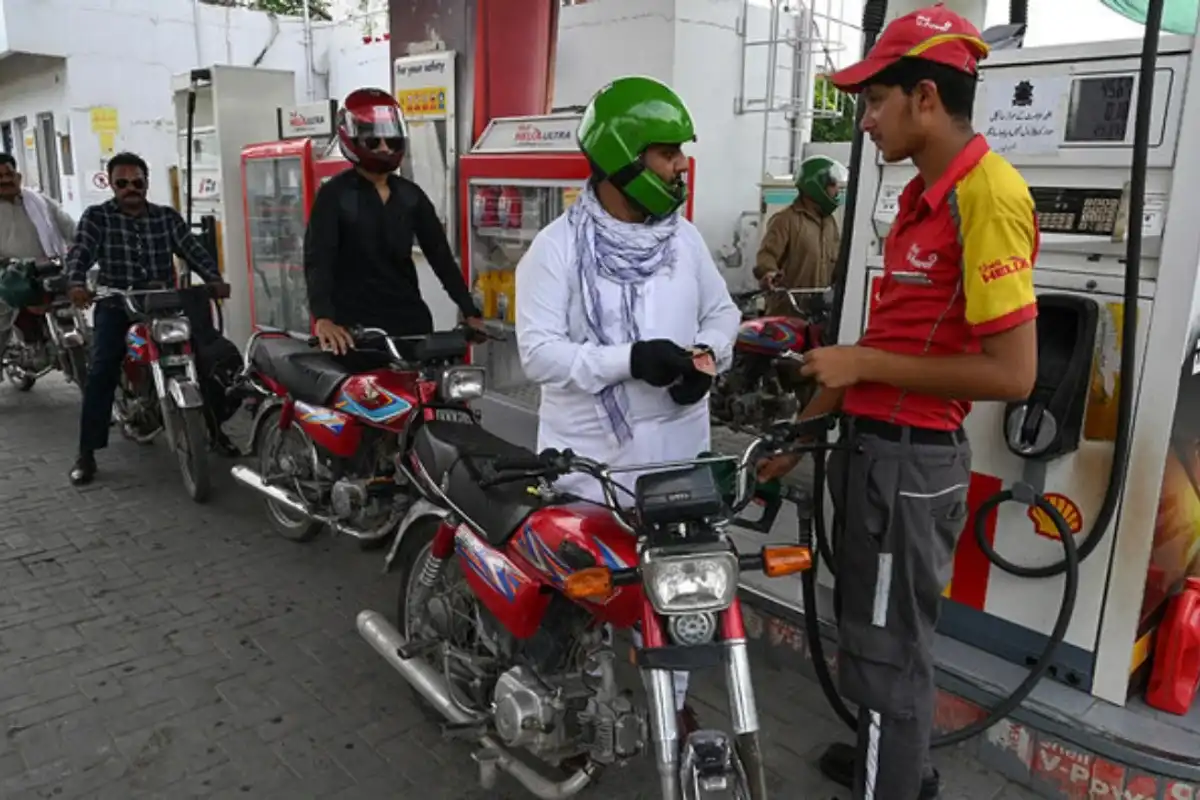
Prime Minister Shehbaz Sharif on Friday announced a sharp reduction in fuel prices for the next fortnight, saying Pakistan would pass on the benefits of easing global oil markets and improved regional stability.
He credited successful diplomatic efforts for the relief reaching consumers.
How much has the petrol price been cut?
Petrol has been cut by Rs74 per liter, falling from Rs373 to Rs299, while diesel has been reduced by Rs67 per litre, dropping from Rs378 to Rs311. The government said it was immediately transferring the impact of lower international crude prices to domestic consumers under its pricing mechanism.
"We are fulfilling the promise we made to the nation," Sharif said. The revised rates took effect under an official statement issued by the government on Friday.
Why are fuel prices falling in Pakistan?
The cut follows a decline in global crude oil prices after Pakistan helped mediate a peace effort between the United States and Iran. Sharif acknowledged the economic strain faced by citizens during recent months of volatility, thanking the public for their "patience and resilience" through the period of rising fuel costs.
He said the government had worked to cushion the impact of global price shocks by mobilizing domestic resources. Around Rs129 billion was utilized through fiscal savings and reallocations under austerity measures and the development budget to help stabilize fuel prices.
How did Pakistan avoid fuel shortages during the crisis?
The prime minister said Pakistan had avoided the kind of fuel shortages and supply disruptions seen in other countries during periods of global stress. He credited effective planning and coordination for the outcome. "There were no queues, no shortages, and no disruption in petroleum supply," he said.
Sharif also thanked provincial administrations for their cooperation in maintaining economic stability, adding that coordinated efforts had helped shield consumers from sharper inflationary pressures. He said the government remained committed to passing on any further decline in global oil prices to consumers, while continuing efforts to maintain macroeconomic stability and contain inflation.
Austerity measures, he added, had been implemented throughout the crisis period alongside targeted support for vulnerable groups, with consumer relief remaining the government's "top priority." Separately, Sharif said recent peace developments in the Middle East had been made possible through Pakistan's mediation efforts, calling the signing of the Islamabad Memorandum of Understanding a "historic milestone" for regional diplomacy.



Comments
See what people are discussing