

Pakistan eyes regional trade windfall as Middle East tensions reshape shipping routes
Kamran Khan explores how Gwadar and Karachi ports could become regional trade hubs amid the Iran crisis.

News Desk
The News Desk provides timely and factual coverage of national and international events, with an emphasis on accuracy and clarity.
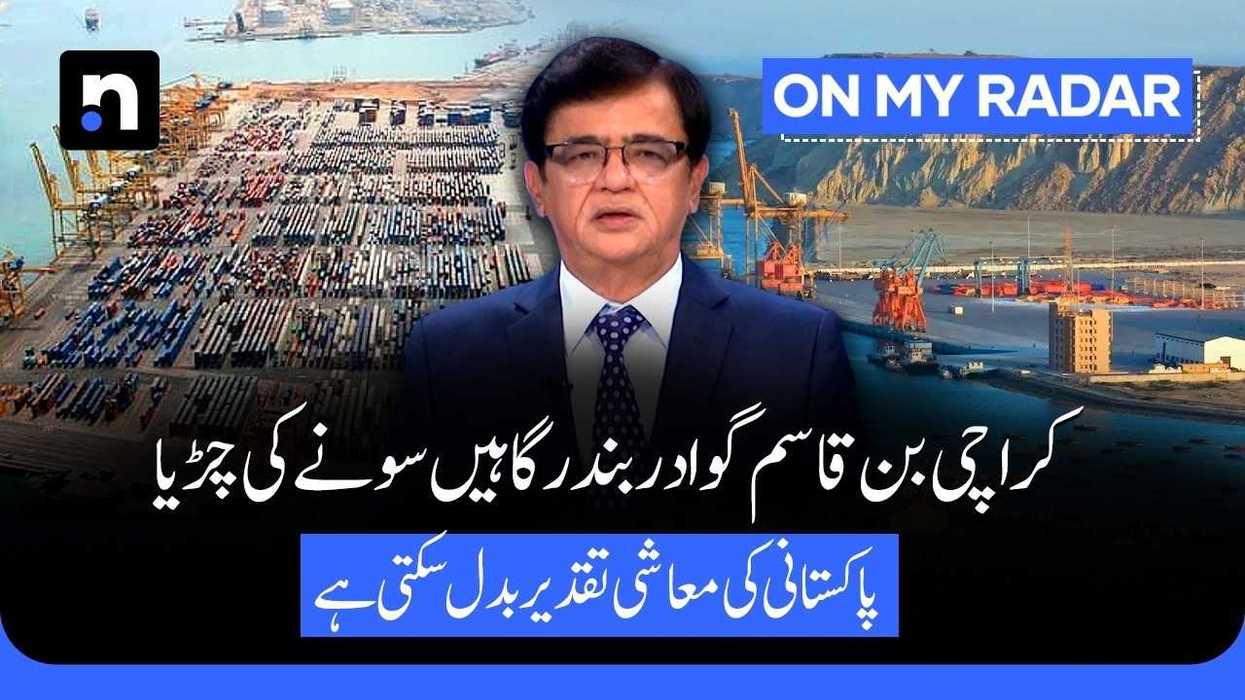
As tensions continue to reshape the Middle East, Pakistan is looking to turn regional uncertainty into a strategic economic opportunity. Could Pakistan’s key gateways — Karachi Port, Port Qasim, and Gwadar Port — emerge as major regional trade hubs? Will global shipping and cargo operators begin shifting operations towards Pakistan’s ports? And can the country position itself at the centre of new transit trade routes linking Iran, Central Asia, Turkey, Russia, and Europe? In this video, we break down:
- Pakistan’s evolving strategy to attract global shipping and cargo flows
- New incentives introduced for Gwadar Port
- Reduced port charges and free storage facilities for cargo operators
- The rising importance of the TIR transport system in regional trade
- How Pakistan could benefit from shifting trade routes amid the Iran crisis
- Gwadar’s strategic role within China’s long-term China–Pakistan Economic Corridor framework
- Emerging opportunities in warehousing, trucking, refining, and re-export sectors
As geopolitical tensions redraw global trade maps, Pakistan is positioning itself not just as a diplomatic stakeholder — but as a rising logistics and trade hub for the region. In this segment of On My Radar with kamran Khan, economic affairs expert and analyst Dr Ikramul Haq also joins the show to discuss whether Pakistan’s ties with both Tehran and Washington could also translate into economic opportunities.

Comments
See what people are discussing