

Pakistan's fiscal deficit falls to 0.7% of GDP for the first time ever
Pakistan posted its lowest-ever nine-month fiscal deficit alongside a 3.2% primary surplus

Business Desk
The Business Desk tracks economic trends, market movements, and business developments, offering analysis of both local and global financial news.
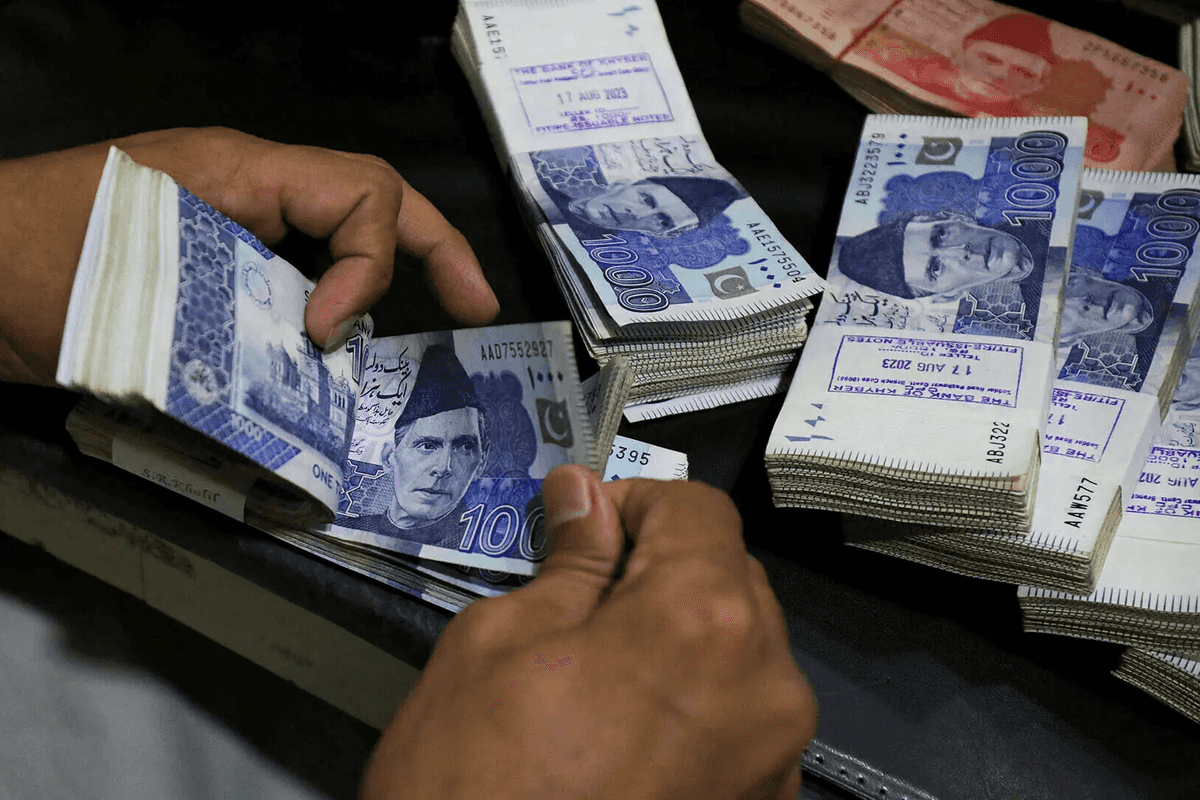
Officials attribute the gains to tax reforms, digitization initiatives, and improved fiscal administration
Pakistan recorded a fiscal deficit of 0.7% of GDP in the first nine months of fiscal year 2025-26, the lowest in the country's history, down sharply from 2.6% in the same period last year.
The improvement comes alongside a current account surplus, marking a rare simultaneous narrowing of Pakistan's long-standing twin deficits.
What is Pakistan's fiscal deficit for 9MFY26?
Pakistan's fiscal deficit narrowed to 0.7% of GDP in July-March FY26, the first time in the country's history the nine-month deficit has fallen below 1% of GDP.
In the third quarter alone, the deficit stood at 1.1% of GDP, slightly better than 1.2% in the same quarter last year. The primary surplus, which excludes interest payments, reached 3.2% of GDP, or PKR 4 trillion, surpassing both the 3% recorded a year earlier and the IMF's full-year target of 2.5% of GDP.
What is driving Pakistan's fiscal improvement?
Total expenditures declined by 4% during the period, contributing directly to the improvement in fiscal balances.
Interest expenses fell sharply by 23%, driven by lower interest rates and improved debt management. The average T-bill yield during 9MFY26 dropped to 10.8%, compared to 14.3% in the same period last year, significantly easing government borrowing costs.
Excluding interest payments, expenditures grew 8%, but revenues grew faster at 11%, generating the improvement in the primary balance.
Officials attributed the gains to tax reforms, stronger enforcement, digitization initiatives, and improved fiscal administration aimed at broadening the tax base.
Subsidy and grant expenses declined 14% year-on-year and 32% quarter-on-quarter to PKR 574 billion. Officials attributed the revenue gains to tax reforms, stronger enforcement, digitization initiatives, and improved fiscal administration aimed at broadening the tax base.
Government expenditures remained relatively contained despite elevated global inflation and sizable debt servicing obligations.
Current expenditures stabilized during the period while development spending was maintained to support economic activity.
Defense spending as a percentage of GDP also remained broadly contained, reflecting tighter expenditure management.
What this means for Pakistan's economy?
For years, Pakistan struggled with simultaneous fiscal and current account deficits that weakened foreign exchange reserves, pressured the currency, and fueled inflation.
Economists view sustained primary surpluses as a key indicator of improving debt sustainability.
The simultaneous improvement in both accounts in 9MFY26 has contributed to greater exchange rate stability, moderating inflation, and stronger reserve accumulation. Investor sentiment has also improved as macroeconomic indicators strengthened.
Pakistan re-entered international capital markets after a prolonged period of financial stress, while manufacturing activity, corporate profitability, foreign inflows, and IPO activity have all picked up.
Multilateral lenders, credit rating agencies, and foreign investors have increasingly acknowledged the country's improving fiscal and external indicators. Pakistan continues to implement economic reforms tied to its IMF stabilization program.
What risks remain to Pakistan's fiscal outlook?
Economists caution that sustaining the gains will require continued fiscal discipline, structural reforms, and political stability. Pakistan remains vulnerable to external shocks, global commodity price volatility, and domestic revenue constraints.
The latest fiscal performance marks one of the strongest macroeconomic turnarounds in recent years, but policymakers say long-term growth will depend on maintaining the current reform trajectory.




Comments
See what people are discussing