

Pakistan's NEC approves Rs3.66 trillion development budget, prioritizes defense and IMF reforms
Pakistan's National Economic Council approved a Rs3.66 trillion development framework for FY2026-27, with PM Shehbaz Sharif prioritising defence, counterterrorism and IMF reforms
Aamir Abbasi
Editor, Islamabad
Aamir; a journalist with 15 years of experience, working in Newspaper, TV and Digital Media. Worked in Field, covered Big Legal Constitutional and Political Events in Pakistan since 2009 with Pakistan’s Top Media Organizations. Graduate of Quaid I Azam University Islamabad.
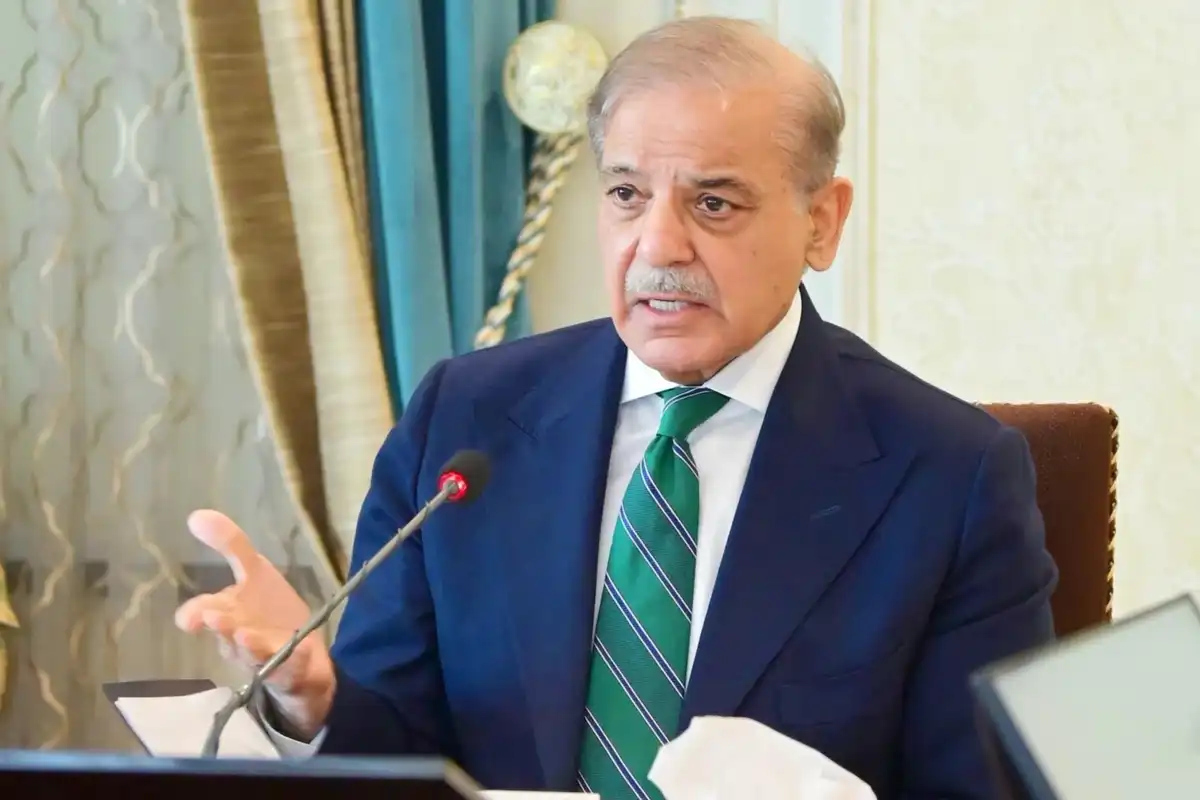
Pakistan's National Economic Council (NEC) approved the country's development framework for fiscal year 2026-27 on Wednesday, setting a total outlay of Rs3.66 trillion.
Prime Minister Shehbaz Sharif chaired the meeting, which brought together federal ministers and provincial chief ministers to finalize federal and provincial development plans. Defense funding, counterterrorism and IMF-backed economic reforms were identified as the government's central priorities.
What did Pakistan's NEC approve for the 2026-27 development budget?
The NEC approved a national development outlay of Rs3.66 trillion for FY2026-27, alongside the Public Sector Investment Program and provincial Annual Development Programs.
A GDP growth target of 4.0% was set, with the framework prioritizing macroeconomic stability, completion of ongoing infrastructure projects and structural reforms aligned with IMF fiscal conditions.
What projects and programs did the council review?
Officials said the council reviewed progress on current development projects before approving the PSIP and provincial ADPs for the upcoming fiscal year. The council also assessed development projects cleared by the Central Development Working Party and the Executive Committee of the National Economic Council between April 2025 and March 2026. Punjab Chief Minister Maryam Nawaz attended via video link.
What did PM Sharif say about defense and security funding?
Sharif said ensuring adequate funding for national defense was the government's foremost responsibility and that additional resources were needed to counter persistent security threats.
He praised the armed forces and called for national unity against militancy, citing ongoing sacrifices by the people of Khyber Pakhtunkhwa and Balochistan in the fight against terrorism.
How did Sharif address Pakistan's IMF program and economic targets?
The prime minister reaffirmed his government's commitment to economic reforms under Pakistan's IMF program, saying job creation, export growth and economic stability remained key policy objectives.
Sharif said he had spoken with the IMF's managing director a day before the meeting and that Pakistan's reform efforts had received a positive assessment. He called for targeted sectoral incentives to accelerate growth and strengthen long-term economic stability.
Sharif also acknowledged that regional tensions had contributed to higher global oil prices. He said the government had provided relief worth Rs128 billion through fuel pricing measures while maintaining uninterrupted petroleum supplies across the country.
What was the PTI's response to the development budget?
Opposition leader and PTI Chairman Barrister Gohar said defense funding was a constitutional responsibility of the federal government and must not come at the expense of provincial resources.
He argued that provincial shares under the National Finance Commission award could not be reduced without a constitutional amendment and warned against shifting the fiscal burden to the provinces. Gohar also criticized the government's economic management, accusing it of failing to implement structural reforms and exercise fiscal discipline.




Comments
See what people are discussing