

Pakistan PM, army chief to visit Saudi Arabia from August 6 to 8
Pakistan's foreign ministry says the visit holds 'significance beyond the immediate Gulf crisis' amid its US-Iran mediation role

Aamir Abbasi
Editor, Islamabad
Aamir; a journalist with 15 years of experience, working in Newspaper, TV and Digital Media. Worked in Field, covered Big Legal Constitutional and Political Events in Pakistan since 2009 with Pakistan’s Top Media Organizations. Graduate of Quaid I Azam University Islamabad.
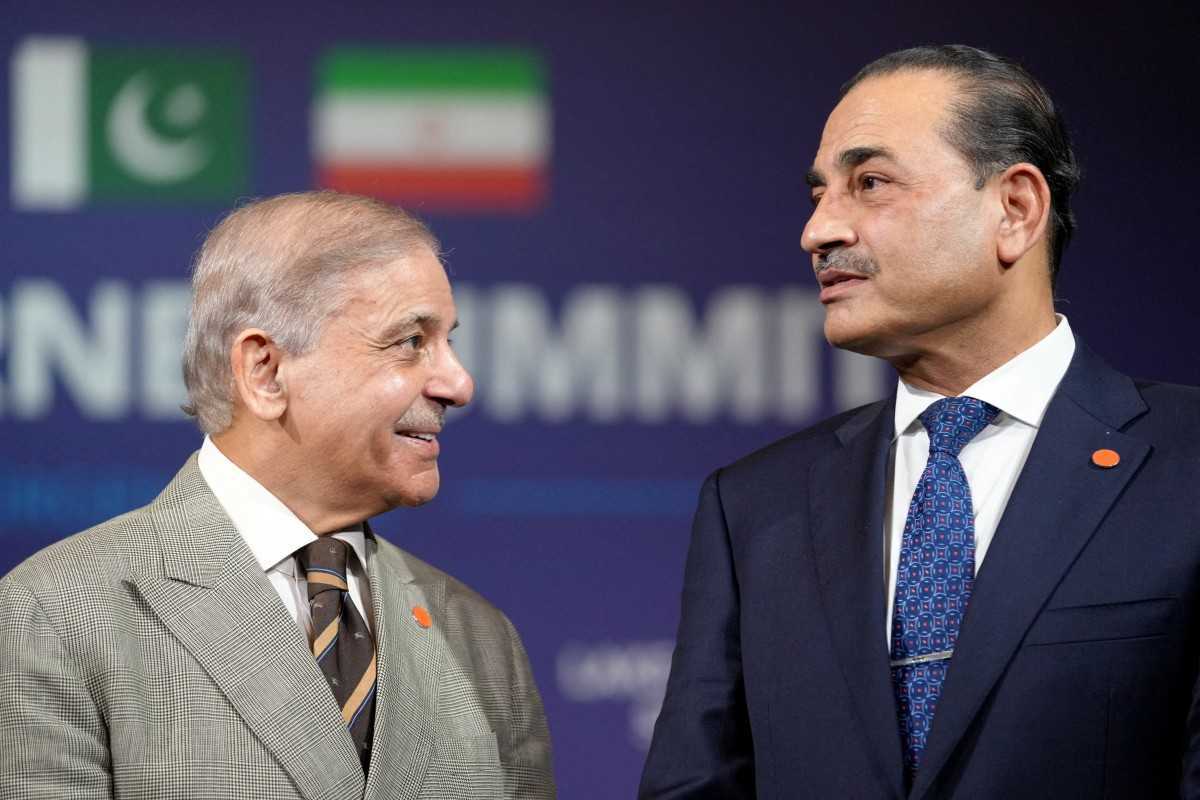
Pakistan's Prime Minister Shehbaz Sharif and army chief Asim Munir will visit Saudi Arabia from August 6 to 8, the South Asian nation's foreign office said on Thursday.
It said talks would focus on bilateral ties and regional developments. The visit runs from Aug. 6 to Aug. 8 amid heightened Gulf tensions tied to the US-Iran war.
Why is Pakistan's PM visiting Saudi Arabia?
The Saudi Arabia visit comes as Pakistan continues efforts to mediate an end to the US-Iran war, a conflict that has drawn Gulf states, including Saudi Arabia, into the wider regional crisis. Foreign Ministry spokesman Tahir Andrabi said the trip carries significance beyond the immediate crisis and short-term considerations, reflecting Pakistan's longstanding partnership with Saudi Arabia.
Who is in the Pakistani delegation to Saudi Arabia?
Sharif will lead a high-level delegation that includes Deputy Prime Minister and Foreign Minister Ishaq Dar, the chief of army staff, and other federal ministers, the Foreign Office said. Dar will join the delegation from Madinah after concluding a separate visit to Jordan. He attended the Ministerial Meeting on Jerusalem there before traveling on to Saudi Arabia.
What will Sharif discuss with Saudi Arabia's crown prince?
Sharif is scheduled to hold talks with Saudi Crown Prince and Prime Minister Mohammed bin Salman. The two leaders are expected to discuss ways to strengthen Pakistan-Saudi Arabia relations further and exchange views on regional and international developments of mutual interest. The Foreign Office said the meetings are expected to deepen strategic cooperation, enhance coordination on regional and global issues and reinforce multilateral collaboration between the two countries.
How is the Strait of Hormuz crisis connected to the visit?
The visit comes as diplomatic activity continues over the Strait of Hormuz, a strategic waterway linking the Persian Gulf to global shipping routes. Iran said Wednesday it had reached an agreement with Oman on a route for ships transiting the strait and was finalizing arrangements to manage the waterway jointly. Foreign Ministry spokesman Esmaeil Baqaei, quoted by state news agency IRNA, said the geographical coordinates for the proposed route had been agreed upon and that a joint statement with Oman was in its final drafting stage, provided "certain third parties do not obstruct the process."
Baqaei said an agreement with Oman would not by itself make the strait safe for shipping, arguing that US naval actions continue to pose security risks. "The factors making the Strait of Hormuz insecure still exist on the part of the United States, particularly the naval blockade and other aggressive and threatening actions against Iran and its interests," he said.
Britain's maritime security agency, UKMTO, reported Wednesday that the captain of an oil tanker heard two explosions while transiting the strait about nine nautical miles (17 kilometers) southeast of Kumzar, Oman. The agency said the vessel and its crew were safe. Separately, Yemen's Houthi movement said it had struck two Saudi oil tankers: missiles hit the tanker Wafa off Yanbu in the northern Red Sea and the tanker Daisy in the Gulf of Aden, military spokesman Yahya Saree said. Saudi authorities did not immediately comment. Before the conflict, the Strait of Hormuz carried about one-fifth of global oil and liquefied natural gas exports.
What has the US said about talks with Iran?
US Vice President JD Vance said negotiations with Iran would take time because of divisions within the country's leadership. "It's going to be messy and it's going to take some time to get there," Vance told Fox News in an interview broadcast Wednesday. Iran has denied that negotiations are taking place with Washington.


Comments
See what people are discussing