

Pakistan's power supply at risk as RLNG shortages threaten 5 GW of generation capacity
SNGPL extends force majeure on RLNG supplies to power plants, with fuel shortages expected to persist until early August, raising the risk of localized load shedding

Haris Zamir
Business Editor
Experience of almost 33 years where started the journey of financial journalism from Business Recorder in 1992. From 2006 onwards attached with Television Media worked at Sun Tv, Dawn Tv, Geo Tv and Dunya Tv. During the period also worked as a stringer for Bloomberg for seven years and Dow Jones for five years. Also wrote articles for several highly acclaimed periodicals like the Newsline, Pakistan Gulf Economist and Money Matters (The News publications)
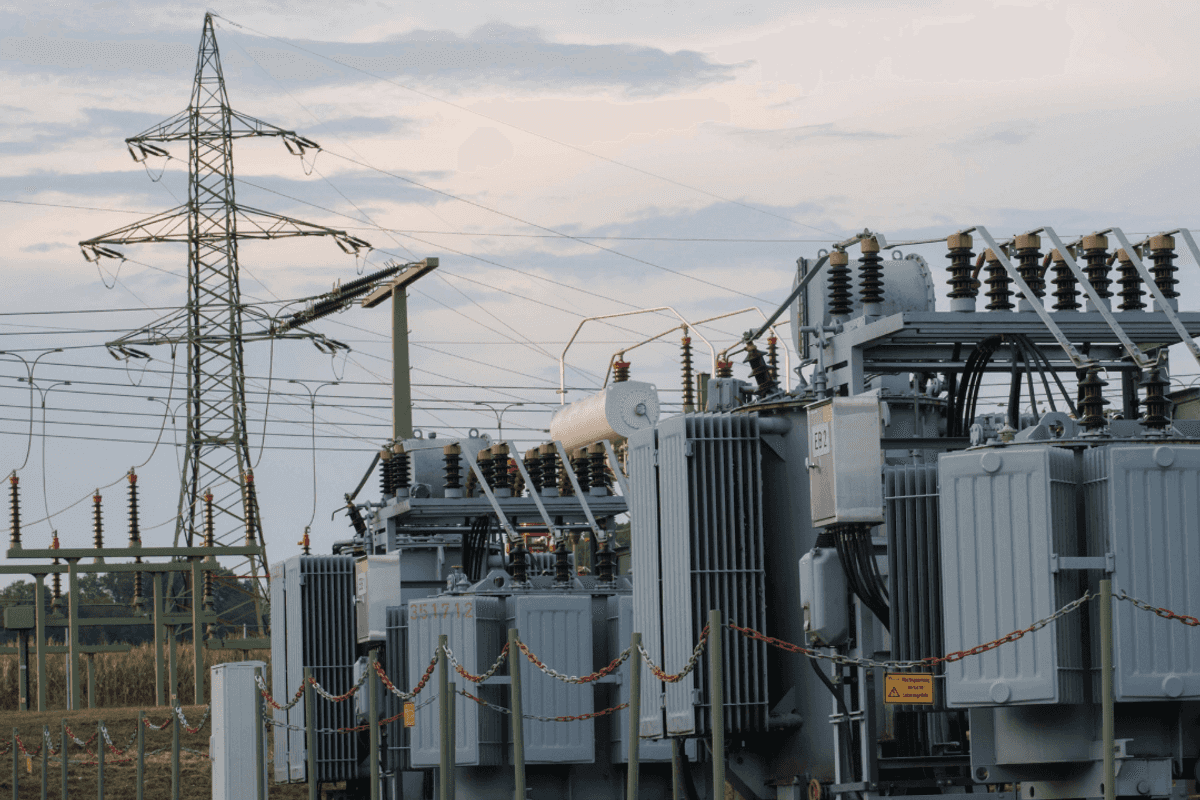
RLNG shortages threaten 5 GW of Pakistan's power generation capacity
None
Pakistan's largest gas supplier, Sui Northern Gas Pipelines Ltd. (SNGPL), has extended force majeure on regasified liquefied natural gas (RLNG) supplies to multiple power plants after delays in LNG cargoes from Qatar caused by continued security-related disruptions around the Strait of Hormuz, according to company letters.
The latest disruption threatens fuel supplies for more than 5 gigawatts (GW) of RLNG-fired generation capacity during Pakistan's peak summer electricity demand, potentially increasing reliance on higher-cost liquid fuels and raising the risk of localized power shortages, a Ministry of Energy official said on July 10.
In separate notices issued to four RLNG-fired power plants in Punjab, SNGPL said Pakistan State Oil (PSO) had advised that the force majeure declared by its LNG supplier remains in effect as the regional conflict continues to disrupt contractual obligations under long-term LNG sale and purchase agreements, according to a company official.
According to the letters, QatarEnergy has begun gradually restoring operations following a review of regional security conditions and operational constraints.
However, vessel transits through the Strait of Hormuz remain intermittent, limiting the supplier's ability to deliver scheduled LNG cargoes.
Pakistan typically imports nine to 10 LNG cargoes each month from Qatar under long-term supply agreements. However, the conflict in the Middle East has disrupted contractual deliveries from the region.
As a result, Pakistan has increasingly relied on spot market purchases to supplement long-term LNG supplies, with procurement timing influenced by domestic demand and international LNG prices.
SNGPL said QatarEnergy had notified that LNG cargoes scheduled for delivery between July 14 and Aug. 3 would not be delivered, in addition to cargoes already affected by the disruption.
"The force majeure event is beyond the reasonable control of SNGPL and has materially affected the company's ability to perform its obligations under the Gas Supply Agreement," the company said in a letter dated July 8.
The utility said it is coordinating with PSO to manage available RLNG supplies and will issue further notifications if disruptions continue beyond Aug. 3.
Officials at the Ministry of Energy said LNG availability is expected to remain constrained until early August, limiting fuel supplies to RLNG-fired power plants concentrated in Punjab.
The reduced availability of RLNG could also constrain northbound electricity flows, increasing the likelihood of load shedding in Upper Punjab and northern regions during periods of peak demand, the officials said.
Pakistan imports most of its LNG under long-term contracts with Qatar and supplements supplies through spot purchases when required.
The latest disruption underscores Pakistan's exposure to geopolitical risks affecting shipping through the Strait of Hormuz, one of the world's most critical routes for LNG trade.
A Ministry of Energy official said on July 6 that Pakistan's LNG supplies from Qatar remained restricted following the conflict in the Middle East and that normal contractual deliveries had yet to resume.
"Since the disruption to supplies from Qatar following the conflict in the Middle East, cargoes have been arriving intermittently, and normal contractual deliveries have yet to resume," the official said.
Pakistan's LNG imports totaled USD 2.016 billion during the first 11 months through May 30, down from USD 3.211 billion in the same period a year earlier, according to data released by the Pakistan Bureau of Statistics on June 16.
Since May, Pakistan has received five LNG cargoes from Qatar under long-term contracts and four spot cargoes. Another spot cargo is scheduled to arrive during the July 15-16 delivery window, according to a Ministry of Energy official.


Comments
See what people are discussing