

Pakistan provinces move to curb fuel use amid rising petroleum prices
Work-from-home policies, school closures and vehicle fuel cuts introduced to conserve energy

Business Desk
The Business Desk tracks economic trends, market movements, and business developments, offering analysis of both local and global financial news.
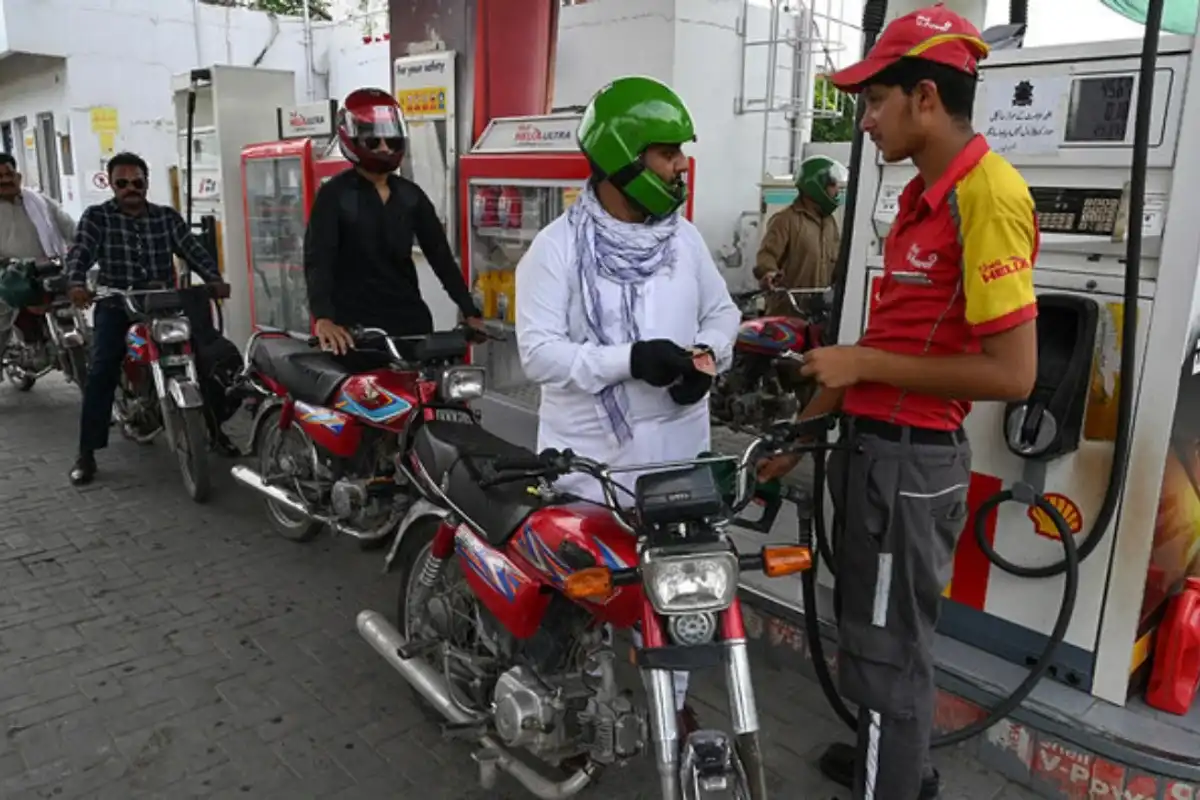
The provincial governments of Khyber Pakhtunkhwa, Punjab and Balochistan have announced fuel conservation measures, including school closures, work-from-home arrangements and cuts in official vehicle fuel allowances, as Pakistan grapples with rising petroleum prices following tensions in the Middle East.
Officials said the measures are aimed at reducing fuel consumption and ensuring energy availability during the ongoing crisis.
In Khyber Pakhtunkhwa, the provincial cabinet approved a two-month “Fuel Conservation and Responsible Governance Initiative.” Under the plan, fuel allowances for official vehicles will be reduced by 25%, in addition to a 25% cut introduced during the COVID-19 period. Police, rescue and other law enforcement vehicles are exempt from the reduction.
The province will also implement a 50% work-from-home policy across government departments, with meetings conducted online. Schools will remain closed on Fridays and educational institutions will prioritize online learning.
Authorities have also restricted VIP protocol vehicles and helicopter use and banned unnecessary events and official dinners.
Officials said diesel supply for wheat harvesting will continue without interruption, while authorities will monitor fuel stations to prevent hoarding.
In Punjab, Chief Minister Maryam Nawaz announced a 50% reduction in petrol and diesel allowances for official vehicles and suspended free petrol for provincial ministers. Protocol vehicle use has been restricted to one additional car per official for security purposes.
Government offices in the province will adopt a partial work-from-home model, with only essential staff attending in person. Educational institutions will remain closed from March 10 to March 31, with online classes continuing while examinations proceed as scheduled.
The provincial government also postponed the Horse and Cattle Show 2026, which had been scheduled for March 28.
Authorities said district petroleum monitoring committees will be established and a track-and-trace system introduced for petroleum products. The private sector has also been urged to adopt fuel-saving measures and limit large events.
In Balochistan, the government ordered the closure of all public intermediate, degree and technical colleges, as well as universities, from March 9 to March 23. Officials said essential activities, including school enrollment campaigns, a digital census of schools and examinations, will continue during the closure.
Authorities across the three provinces said fuel use should be restricted to essential duties, emergency services and unavoidable fieldwork, adding that the measures are intended to protect the economy while avoiding additional burdens on the public.




Comments
See what people are discussing