

Pakistan raises diesel levy, cuts petrol amid revenue gap
Pakistan raises the petroleum levy on diesel to PKR 72.97 per liter while cutting petrol and HOBC levies as the government races to meet its fiscal year target

Haris Zamir
Business Editor
Experience of almost 33 years where started the journey of financial journalism from Business Recorder in 1992. From 2006 onwards attached with Television Media worked at Sun Tv, Dawn Tv, Geo Tv and Dunya Tv. During the period also worked as a stringer for Bloomberg for seven years and Dow Jones for five years. Also wrote articles for several highly acclaimed periodicals like the Newsline, Pakistan Gulf Economist and Money Matters (The News publications)
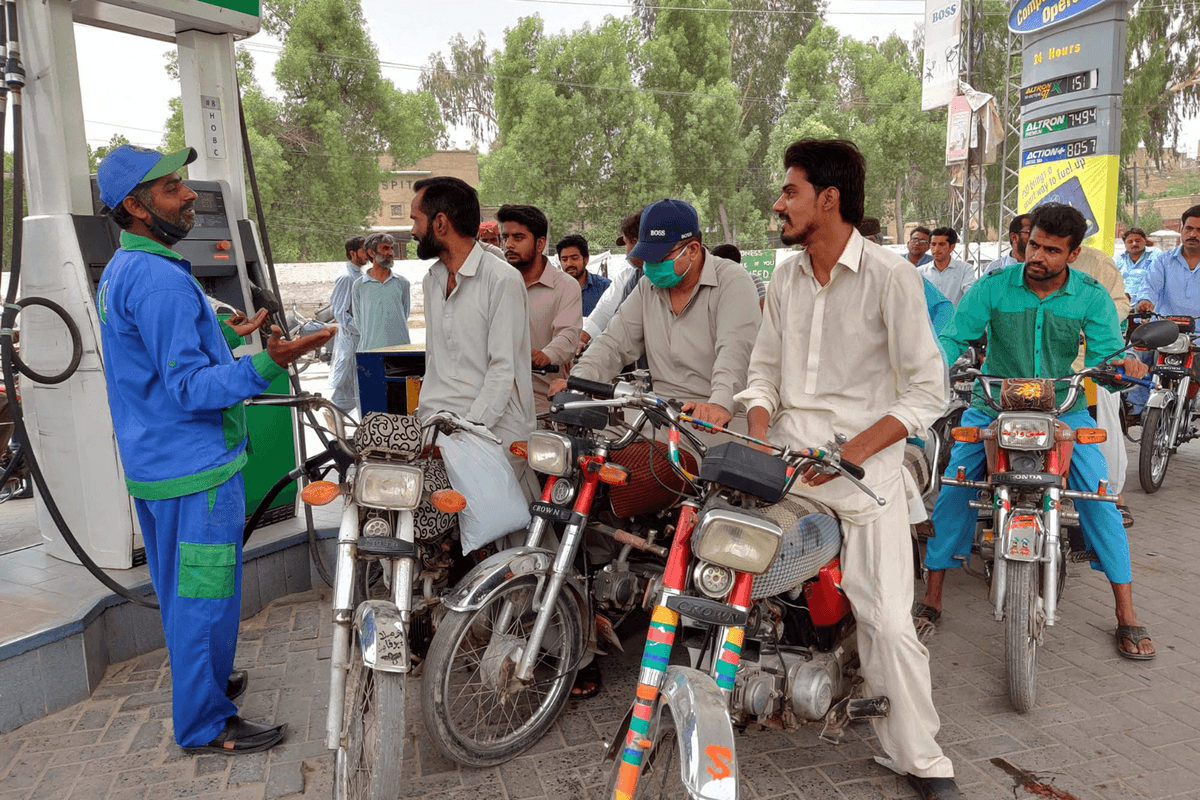
The government has raised the petroleum levy on high-speed diesel while cutting it on petrol and High Octane Blending Component (HOBC). The changes, confirmed through official figures and market sources, come as authorities try to manage fiscal pressure and meet revenue targets from petroleum products before the fiscal year closes.
What is the new petroleum levy on diesel and petrol?
The petroleum levy on diesel has risen by PKR 19.71 per liter, from PKR 53.26 to PKR 72.97 per liter. Petrol's levy has dropped by PKR 40.49 per liter, bringing it down to PKR 66.25 per liter. HOBC saw the steepest cut, falling from PKR 305.37 to PKR 91.25 per liter.
Kerosene oil's levy stays unchanged at PKR 20.36 per liter, and light diesel oil remains fixed at PKR 15.84 per liter. These adjustments are part of the government's fortnightly pricing review, which balances revenue needs against global oil price shifts and consumer relief.
Why is the government raising the petroleum levy on diesel?
The adjustments stem from a shortfall in petroleum levy collections this fiscal year, according to energy sector analysts. Petroleum levy revenue for the first 11 months of FY2025-26, which began on July 1, 2025, reached around PKR 1.32 trillion against a target of PKR 1.46 trillion.
To close that gap, the government needs to collect nearly PKR 140 billion in June alone, well above the average monthly collection of about PKR 121 billion seen over the previous 11 months. An analyst noted that petroleum levy receipts have become a key source of non-tax revenue for the federal budget, keeping pressure on authorities to hit the annual target before the fiscal year ends.
What is Pakistan's petroleum levy target for next year?
The government has set a petroleum levy collection target of PKR 1.6 trillion for fiscal year 2026-27. Meeting that target would require average levy rates on petrol and diesel to stay around PKR 85 per liter throughout the year, assuming consumption patterns hold steady, according to the analyst.
The petroleum levy remains one of the largest contributors to federal revenue. It is routinely adjusted to balance fiscal requirements with the impact of international oil price changes on domestic consumers.



Comments
See what people are discussing