

Pakistan raises high-octane fuel levy to PKR 300 per liter
Move targets wealthy drivers while shielding mass consumers from price shock
Haris Zamir
Business Editor
Experience of almost 33 years where started the journey of financial journalism from Business Recorder in 1992. From 2006 onwards attached with Television Media worked at Sun Tv, Dawn Tv, Geo Tv and Dunya Tv. During the period also worked as a stringer for Bloomberg for seven years and Dow Jones for five years. Also wrote articles for several highly acclaimed periodicals like the Newsline, Pakistan Gulf Economist and Money Matters (The News publications)
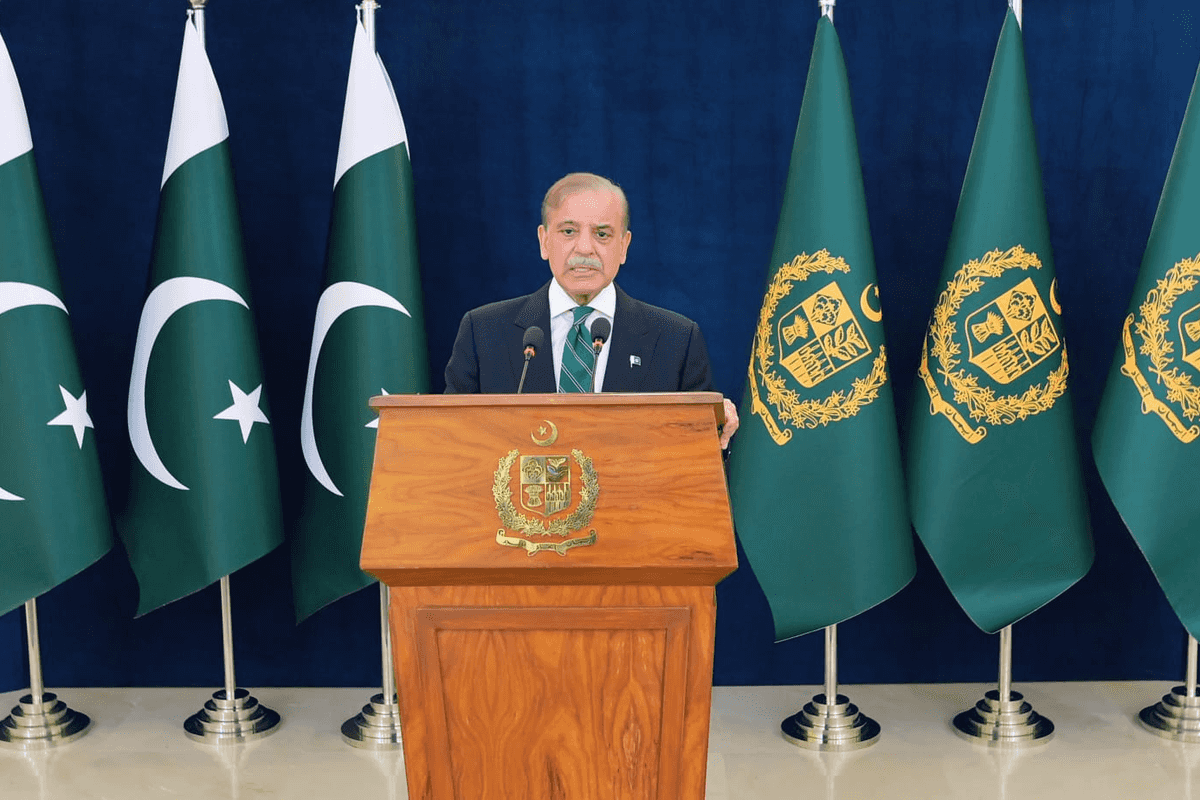
PM Shehbaz Sharif addresses the nation
In a move aimed at alleviating the economic burden on the public, Prime Minister Mohammad Shahbaz Sharif announced a significant increase in the levy on high-octane fuel used in luxury vehicles in Pakistan.
During a meeting, Sharif decided to raise the existing levy on high-octane fuel from PKR 100 per liter to PKR 300 per liter. The new measure specifically targets the wealthiest segment of society that owns luxury cars, which typically use higher-octane fuel.
The government expects the decision to save approximately PKR 9 billion monthly, with the savings intended to provide financial relief to the broader population.
“This decision will reduce the economic burden on the country; the wealthiest segment will bear the cost,” a statement from the Prime Minister’s Office read.
Importantly, the price increase will not affect fuel used in ordinary vehicles, nor will it impact the costs for public transportation or air travel. The move is part of the government’s strategy to reduce the impact of rising fuel prices on lower- and middle-income groups.
The prime minister had earlier taken notice of the rising cost of high-octane fuel and directed the relevant ministries to develop a plan of action. The decision follows concerns about inflationary pressures caused by global events such as the ongoing conflict in the Middle East, which has disrupted supply chains and pushed global crude oil prices to their highest levels in two years.
The meeting was attended by Finance Minister Mohammad Aurangzeb, Information Minister Attaullah Tarar, Petroleum Minister Ali Pervez Malik, and other senior government officials.
Relief package in process
In a related development, Finance Minister Aurangzeb revealed that a targeted relief package for deserving segments of society is being prepared, with input from several government ministries, including Petroleum, IT, and Finance. Aurangzeb invited the public to submit suggestions for the package.
Earlier, the government had sharply increased diesel and petrol prices by 20%, or PKR 55 PKR per liter, due to the disruption of global oil markets amid the U.S.-Israel-Iran conflict. However, Prime Minister Sharif announced that the federal government had absorbed the majority of the fuel price hikes to shield the public from the full impact.
To further manage the economic strain, both federal and provincial governments have introduced austerity measures, including an additional weekly holiday, cuts to free petrol allocations for ministers, limitations on protocol vehicles, and proposals for subsidized fuel for students.



Comments
See what people are discussing