

Pakistan raises petrol price, hikes petroleum levy to record PKR 80 per liter
Pakistan raised petrol and diesel prices from July 12, pushing the petroleum levy on petrol to a record PKR80 per litre to meet IMF revenue targets

Haris Zamir
Business Editor
Experience of almost 33 years where started the journey of financial journalism from Business Recorder in 1992. From 2006 onwards attached with Television Media worked at Sun Tv, Dawn Tv, Geo Tv and Dunya Tv. During the period also worked as a stringer for Bloomberg for seven years and Dow Jones for five years. Also wrote articles for several highly acclaimed periodicals like the Newsline, Pakistan Gulf Economist and Money Matters (The News publications)
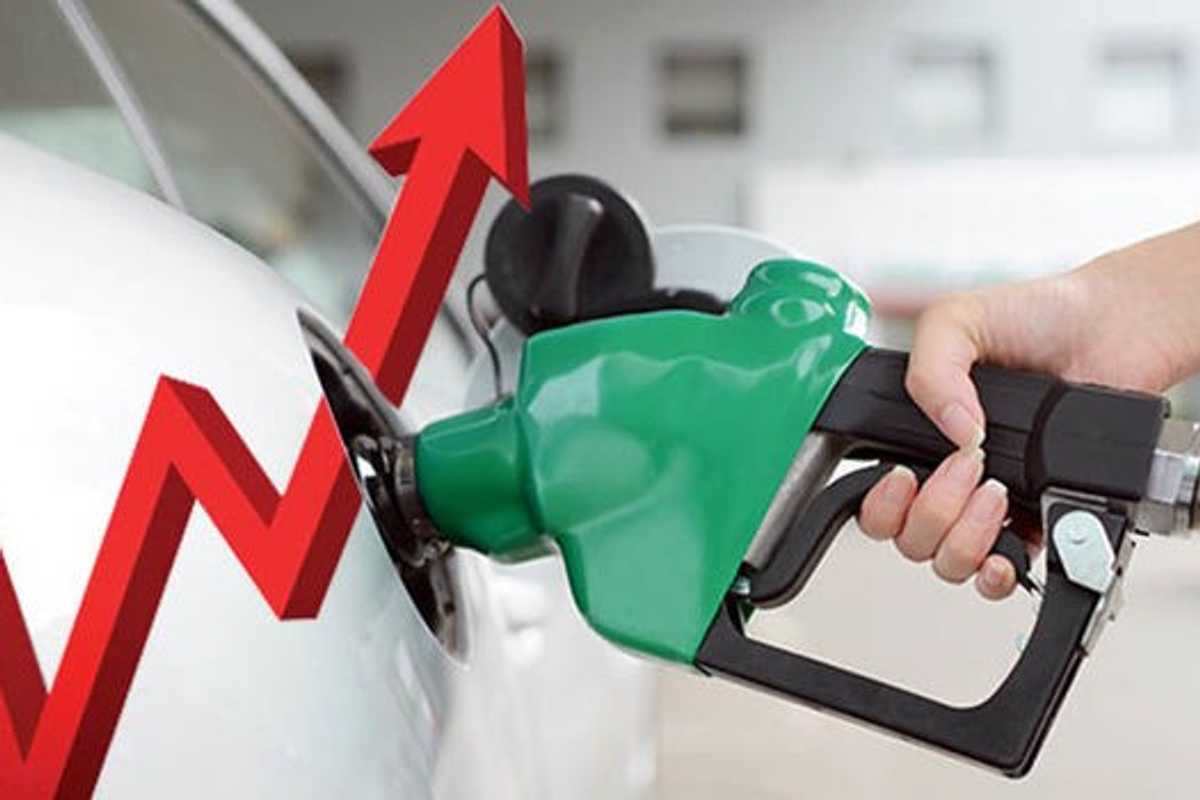
Pakistan's government raised petrol and diesel prices from July 12, alongside a record increase in the petroleum levy on petrol to PKR80 per litre. The move limits how much of the recent fall in global oil prices reaches consumers. It comes as Islamabad works to meet revenue targets set under its IMF-backed reform program.
How much did Pakistan raise petrol and diesel prices?
The government increased petrol by PKR13.18 per liter and high-speed diesel by PKR13.80 per liter from July 12. Petrol now costs PKR310.71 per liter, while diesel costs PKR323.30 per liter. The Petroleum Division confirmed the new prices in a notification issued on Friday.
The petroleum levy on petrol rose by PKR9.36 per liter to a record PKR80 per liter, up from PKR70.36 previously.
The levy on HOBC increased by PKR9.64 per liter to PKR105, from PKR95.36. The levy on HSD, kerosene and light diesel oil (LDO) stayed unchanged, at PKR70.82, PKR20.36 and PKR15.84 per liter respectively, though LDO's retail price still rose by PKR9.74 per liter to PKR205.22.
Why is the petrol price increasing in Pakistan?
The government is raising the petroleum levy to protect revenue collection even as global oil prices ease. Under Pakistan's IMF-supported reform program, the Climate Support Levy doubled to PKR5 per liter from July 1, alongside adjustments to the petroleum levy structure.
Analysts said the increase reflects a broader strategy of using fuel taxation to strengthen public finances rather than passing lower global prices fully to consumers.
Fuel prices surged earlier this year during the regional conflict involving Iran, Israel and the United States. High-speed diesel hit a record PKR520.35 per liter on April 3, up from about PKR281 after the US-Iran conflict began in late February. Petrol peaked at PKR458.41 per liter on the same day, rising from PKR266 in early March.
Petrol is mainly used by private motorists, motorcyclists, rickshaws and small vehicles, so price changes hit middle- and lower-middle-income households hardest. Diesel powers heavy transport, agriculture, industry, power plants and large generators. Higher diesel prices can therefore raise freight costs and add to broader inflation.
How much revenue does the petroleum levy raise for Pakistan?
Pakistan collected about PKR1.47 trillion in petroleum levy during FY2025-26, making it one of the largest sources of federal non-tax revenue. For FY2026-27, the government has set a collection target of roughly PKR1.53 trillion. Unlike many taxes, petroleum levy proceeds go entirely to the federal government rather than being shared with the provinces.
What are analysts saying about the price hike?
Energy analysts said the increase shows the government using fuel taxation to shore up public finances rather than passing on the full benefit of falling global oil prices. "The government is balancing IMF fiscal commitments with domestic inflation concerns," an Islamabad-based energy analyst said. "By raising the petroleum levy while adjusting retail prices, it is protecting a critical source of revenue needed to meet the FY27 budget targets."
Economists added that if global crude prices hold steady, Islamabad is likely to keep adjusting the petroleum levy to reach its PKR1.53 trillion target for FY2026-27.

Comments
See what people are discussing