

Pakistan REER rises to 107.92 in August, up nearly 8% in a year
The real effective exchange rate edged higher in August, with an analyst warning that sustained real appreciation could pressure exports despite a stable rupee

Business Desk
The Business Desk tracks economic trends, market movements, and business developments, offering analysis of both local and global financial news.
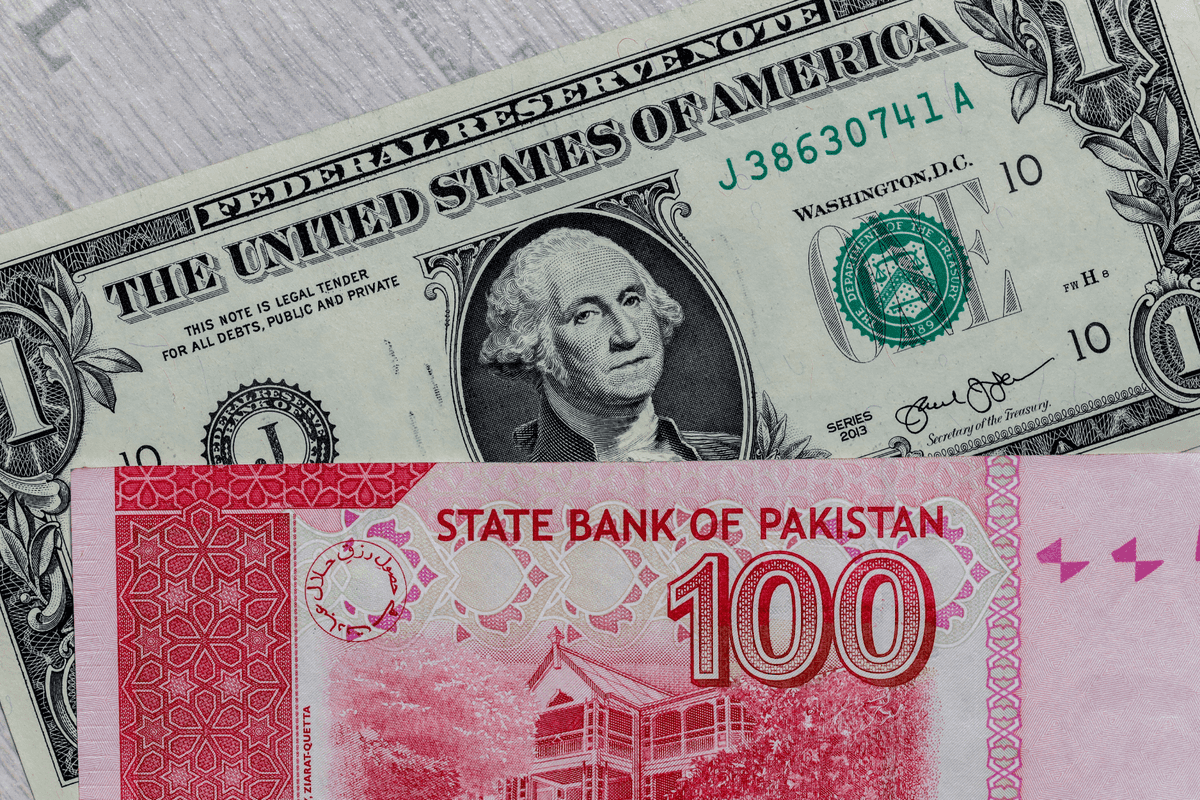
Pakistan’s real effective exchange rate rose slightly to 107.92 in August from 107.89 in July, extending its increase over the past year and raising concerns about export competitiveness if the trend continues, according to State Bank of Pakistan data and and an analyst at a leading brokerage house.
The REER index was up from 100.2 in August 2025, an increase of nearly 8%, and stood about 6% above its three-year average of roughly 102, according to the analyst.
Inflation drives real appreciation
The analyst said the marginal monthly movement masked a much larger increase in the REER over the past year.
“The rupee has also firmed slightly in nominal terms, moving from around 281 to about 277.5 against the dollar over the same period,” he said. “Most of this real appreciation is coming from our inflation running higher than that of our trading partners.”
A higher REER generally indicates real appreciation of a country’s currency against those of its trading partners after adjusting for relative price levels.
The analyst said the current REER level suggested that the rupee was somewhat overvalued in real terms. If sustained, this could weigh on export competitiveness while making imports relatively cheaper as economic activity recovers, he said.
The SBP cautions that a REER above 100 does not by itself indicate that a currency is overvalued, as the index measures movements relative to its base rather than an equilibrium exchange rate.
Could exchange-rate flexibility become necessary?
The analyst said a stable rupee has also helped contain inflation and import costs, making the exchange-rate trade-off less straightforward.
“If the current pattern continues, REER will likely keep drifting higher, and some flexibility in the exchange rate may be needed to keep exporters competitive,” he said.
The rupee closed at PKR 277.27 against the US dollar in the interbank market Wednesday, compared with PKR 277.30 in the previous session.
The REER measures the value of the rupee against the currencies of Pakistan’s major trading partners, adjusted for relative price levels. A rise in the index indicates real appreciation, while a decline indicates real depreciation.
What does BMI expect for the Pakistani rupee?
Fitch Solutions’ BMI recently projected that the Pakistani rupee would remain broadly stable near PKR 278 against the US dollar through the end of 2026.
The revised forecast marked a shift from an earlier projection of PKR 288 per dollar, with BMI citing stronger foreign-exchange buffers, tight monetary policy and restored access to international capital markets.



Comments
See what people are discussing