

Pakistan has $1.5B left to repay this fiscal year as reserves hold near $16B
Pakistan has settled most of its FY26 external debt obligations, with $1.5 billion still due

Haris Zamir
Business Editor
Experience of almost 33 years where started the journey of financial journalism from Business Recorder in 1992. From 2006 onwards attached with Television Media worked at Sun Tv, Dawn Tv, Geo Tv and Dunya Tv. During the period also worked as a stringer for Bloomberg for seven years and Dow Jones for five years. Also wrote articles for several highly acclaimed periodicals like the Newsline, Pakistan Gulf Economist and Money Matters (The News publications)
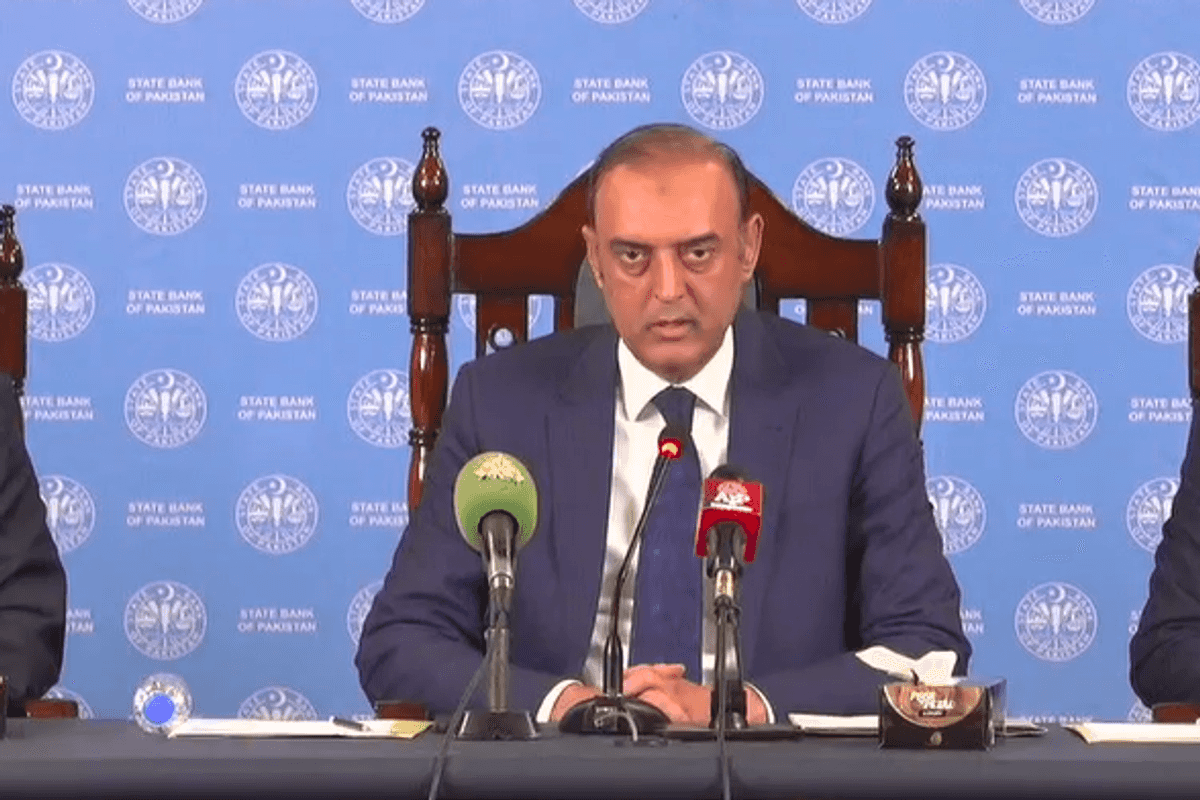
Pakistan faces external debt repayments of approximately $1.5 billion for the remainder of fiscal year 2026, State Bank of Pakistan Governor Jameel Ahmad said Monday during an analyst briefing. Most of the country's $25.4 billion in total FY26 obligations have already been repaid or rolled over.
Workers' remittances are now projected at $41 billion for the year, slightly below earlier estimates but still above last year's level.
How much of Pakistan's external debt has been repaid so far?
Of Pakistan's total FY26 external debt obligations of $25.4 billion, roughly $21.4 billion has already been repaid or rolled over. Of the remaining $4.2 billion, about $2.7 billion is expected to be rolled over, leaving $1.5 billion to be settled before the fiscal year closes in June.
What major debt repayments has Pakistan completed this year?
Pakistan has already repaid a $1.3 billion Eurobond and cleared $3.45 billion in obligations to the United Arab Emirates. Despite the scale of these outflows, foreign exchange reserves have seen only a modest decline.
Reserves currently stand at $15.8 billion, down from just over $16 billion earlier this month.
Will Pakistan's current account stay within its projected range?
The current account balance is expected to remain within the previously projected range of 0 to 1% of GDP for FY26, likely at the lower end of that range. Ahmad stressed the importance of timely official inflows to help build reserves to around $18 billion by June. Import cover is improving but is still expected to remain below the optimal three-month threshold.
How are remittances tracking against Pakistan's revised forecast?
The central bank has revised its remittance projection down to $41 billion from $42 billion, though inflows remain stronger than last year. Remittances received in the first three weeks of April were broadly in line with the same period a year earlier. The revision reflects a modest softening in the pace of inflows rather than a structural decline.
How is the Middle East conflict affecting Pakistan's economic outlook?
Ahmad warned that the economic outlook remains highly sensitive to the duration and intensity of the ongoing Middle East conflict. The conflict could pose risks to inflation, growth, and external sector stability. He described the central bank's earlier decision to raise interest rates proactively as a short-term cost aimed at protecting medium- to long-term economic growth.




Comments
See what people are discussing