

Pakistan urges restraint as US-Iran Gulf crisis escalates
Foreign Office urges restraint and calls for adherence to the Islamabad MoU as the US-Iran conflict escalates across the Gulf region.

News Desk
The News Desk provides timely and factual coverage of national and international events, with an emphasis on accuracy and clarity.
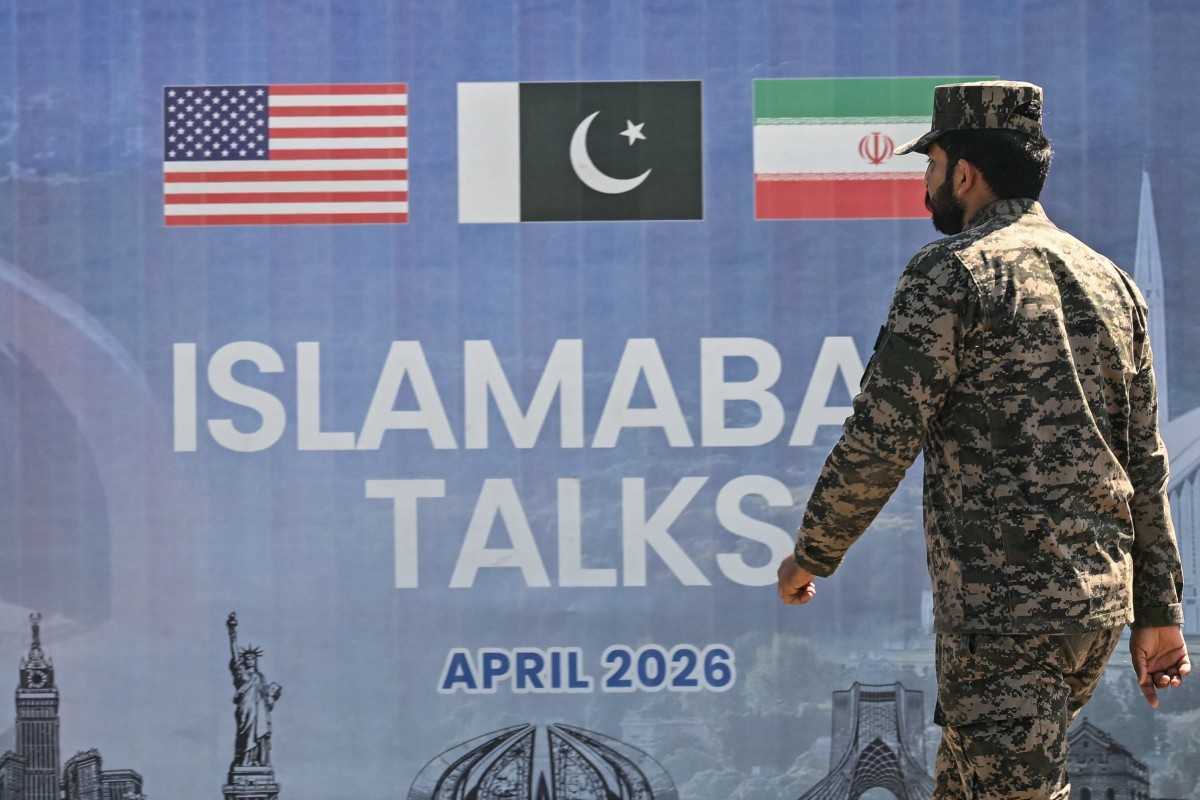
Pakistan on Sunday urged all parties to exercise restraint and de-escalate after a sharp escalation between Iran and the United States in and around the Strait of Hormuz. Islamabad reaffirmed its support for diplomacy and the Islamabad Memorandum of Understanding. The Foreign Office said it was monitoring the situation with deep concern.
Why is Pakistan urging restraint between the U.S. and Iran?
Pakistan says the region's brotherly countries deserve full sovereignty and territorial integrity, and it wants all sides to avoid further escalation. The Foreign Office reiterated its unwavering support for that principle in a statement Sunday. It called on both Washington and Tehran to honor their commitments under the Islamabad MoU.
What triggered the latest escalation in the Gulf?
Iran's Revolutionary Guards said they struck a second vessel in the Strait of Hormuz and declared the waterway closed until further notice, alleging a regulatory violation. The Pentagon said U.S. forces launched strikes after Iranian forces fired on a Cyprus-registered container ship. U.S. Central Command said one crew member was missing after the vessel was disabled by fire and engine room damage.
The British maritime security agency UKMTO said the crew abandoned the ship and boarded a lifeboat east of Oman. Iranian state media reported explosions in Bandar Abbas, Sirik, Jask, Qeshm Island and Khuzestan province, with no immediate reports of casualties. Journalists also reported sirens and explosions in Qatar, the UAE and Bahrain, with Qatar and the UAE saying they intercepted missile attacks.
What is the Islamabad MoU?
The Islamabad MoU is a memorandum signed in June 2026 that Pakistan says forms the basis for de-escalation between Iran and the United States. The Foreign Office said Pakistan remains firmly committed to promoting lasting peace through dialogue built on that agreement. It called on both sides to take immediate steps toward de-escalation while honouring their obligations under the MoU.
Iran's Revolutionary Guards later said they targeted U.S. bases and radar sites in Jordan, Kuwait, Bahrain and Qatar with ballistic missiles and drones. That development raised fresh concerns about regional stability and the prospects for a diplomatic resolution. Pakistan said it stands ready to support efforts aimed at sustainable peace and mutual understanding through diplomatic engagement.
What role is Pakistan's foreign minister playing in the crisis?
Deputy Prime Minister and Foreign Minister Ishaq Dar urged restraint and dialogue during a phone call with Iranian Foreign Minister Seyyed Abbas Araghchi on Sunday. Dar stressed de-escalation in line with the Islamabad MoU, according to Pakistan's Foreign Office. He said dialogue and diplomacy remained the only effective means of resolving differences and achieving lasting regional stability.
The two foreign ministers exchanged views on the evolving regional situation. Dar reaffirmed Pakistan's readiness to continue playing a constructive role in promoting regional peace. Both ministers agreed to remain in close contact as developments continue to unfold.



Comments
See what people are discussing