

Pakistan retires record PKR 4.72T debt ahead of schedule
Finance adviser Khurram Schehzad says Pakistan's record Rs2.9tn debt retirement in FY26 cuts refinancing risks and improves its debt profile.

Business Desk
The Business Desk tracks economic trends, market movements, and business developments, offering analysis of both local and global financial news.
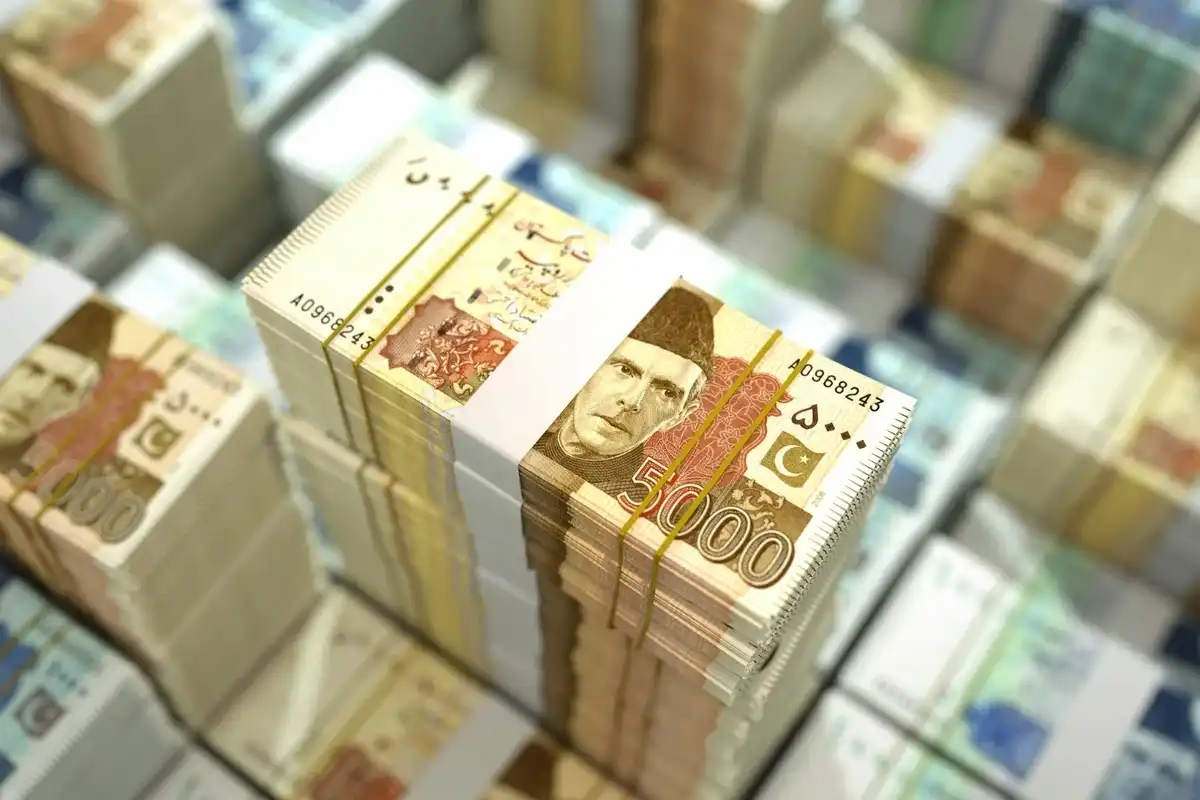
The government has pledged a primary fiscal surplus at 2% of GDP to the IMF.
Pakistan retired 4.72 trillion rupees ($17 billion) in public debt ahead of schedule during fiscal year 2025-26, a 62% increase from 1.8 trillion rupees the previous year, Finance Minister's Adviser Khurram Schehzad said Tuesday. The move aims to strengthen the country's debt profile and reduce financing risks.
How much debt has Pakistan retired ahead of schedule?
Pakistan retired a record 2.9 trillion rupees in public debt ahead of schedule in fiscal year 2025-26, up 62% from the previous year. Adviser Khurram Schehzad said the early retirement was part of an active liability management strategy, not routine debt repayment, aimed at cutting refinancing and rollover risks.
Why is Pakistan retiring debt early?
Schehzad said the initiative was designed to reduce refinancing and rollover risks, lower debt servicing costs, improve liquidity and cash flow management, and strengthen investor confidence and fiscal resilience. Of the 2.9 trillion rupees retired in FY26, 51% consisted of central bank debt, while the remaining 49% was market debt.
"The government is shifting from short-term borrowing toward proactive balance-sheet management focused on reducing financial risks, lowering borrowing costs, and supporting long-term fiscal sustainability," Schehzad said.
How has Pakistan's debt profile improved?
Schehzad said Pakistan's debt profile had improved significantly, with the average maturity of public debt extending from 2.7 years in fiscal year 2023-24 to more than 3.8 years in FY26. He said the debt-to-GDP ratio declined from 75% in fiscal year 2022-23 to about 68.5% in FY26, while dependence on central bank financing had been reduced substantially.
How did Pakistan carry out the debt buybacks?
The debt retirement was carried out through a series of government buyback operations beginning with an 826 billion-rupee transaction in October 2024. Additional buybacks followed in November 2024, March 2025, June 2025, August 2025, November 2025, December 2025, January 2026 and April 2026, with a final 279 billion-rupee operation in May 2026.
Schehzad said the liability management program forms part of broader economic reforms aimed at strengthening Pakistan's public finances alongside moderating inflation, improving fiscal and external balances, and enhancing macroeconomic stability. He said the strategy marks a shift from conventional debt management to proactive balance-sheet optimization.




Comments
See what people are discussing