

Pakistan's economic outlook improves as oil prices, Middle East tensions ease
Pakistan's economic outlook is improving as Middle East tensions ease and oil prices drop, with the finance ministry citing record remittances and IT exports

Haris Zamir
Business Editor
Experience of almost 33 years where started the journey of financial journalism from Business Recorder in 1992. From 2006 onwards attached with Television Media worked at Sun Tv, Dawn Tv, Geo Tv and Dunya Tv. During the period also worked as a stringer for Bloomberg for seven years and Dow Jones for five years. Also wrote articles for several highly acclaimed periodicals like the Newsline, Pakistan Gulf Economist and Money Matters (The News publications)
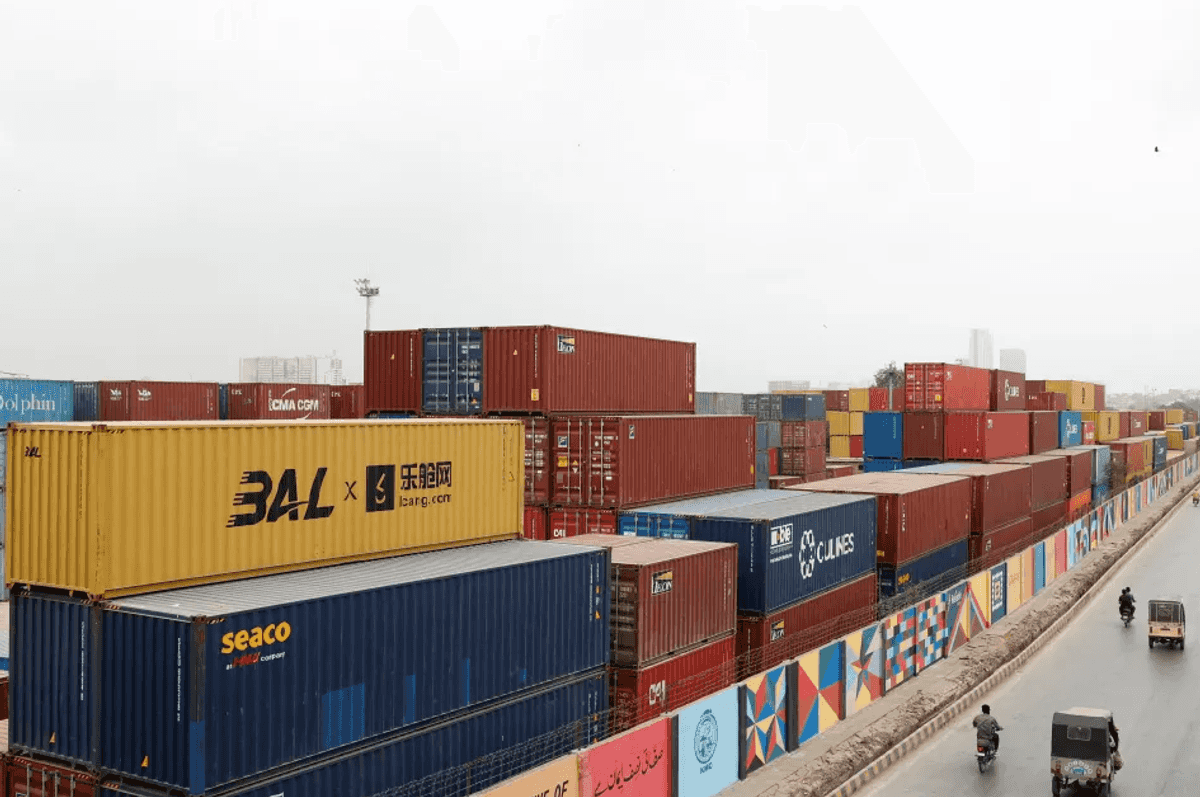
Pakistan's economic outlook has improved as easing Middle East tensions and falling international oil prices reduce imported inflation, the Ministry of Finance said in its Monthly Economic Outlook.
Lower oil prices are expected to cut Pakistan's import bill and strengthen the external sector, supporting growth heading into fiscal year 2027.
How will lower oil prices affect Pakistan's economy?
Falling international oil prices are expected to ease imported inflation, reduce domestic fuel and transportation costs, and lower Pakistan's oil import bill.
The finance ministry said this will strengthen the external sector alongside record remittances and rising information technology exports. Together, these inflows are expected to reinforce the balance of payments and support foreign exchange reserves.
What is driving Pakistan's stronger external sector?
Record workers' remittances in May 2026 and continued growth in information technology exports have reinforced Pakistan's external position, the ministry said.
The current account posted a surplus of $255 million during July-May FY2026, reflecting continued resilience. A broadly stable exchange rate and improved foreign exchange reserves have added further support, the ministry added.
How has Pakistan's economy performed in fiscal year 2026?
Pakistan is concluding fiscal year 2025-26 with improved macroeconomic stability and sustained recovery in economic activity, according to the report. Real gross domestic product growth reached 3.7%, the highest level in four years, while the size of the economy expanded to $452.1 billion. Growth was recorded across agriculture, industry and services, despite earlier flood-related disruptions and volatile global commodity markets, and average inflation stayed in single digits within the government's target range.
Fiscal performance also remained encouraging, supported by prudent expenditure management, improved revenue mobilization and provincial budget surpluses. These measures helped narrow the fiscal deficit and deliver a primary surplus equivalent to 3.5% of GDP during July-April FY2026.
What supported investor confidence in Pakistan this year?
Investor confidence improved during fiscal year 2026, supported by the government's reform program under the International Monetary Fund's Extended Fund Facility and Resilience and Sustainability Facility, the outlook said. Sovereign rating upgrades by Fitch and Moody's further strengthened market confidence, the ministry said.
These developments enabled Pakistan to return to international capital markets through a Eurobond issuance after four years, launch a Panda Bond, and see the benchmark KSE-100 Index reach an all-time high.
What does Pakistan's budget for fiscal year 2027 focus on?
The federal budget for fiscal year 2027 focuses on export-led growth, taxpayer relief, stronger social protection and continued fiscal discipline, the ministry said. The government aims to preserve macroeconomic stability while improving business competitiveness, encouraging investment, broadening the tax base, advancing energy sector reforms and promoting sustainable and inclusive growth.
Pakistan's economic prospects for fiscal year 2027 are expected to improve further through continued structural reforms, stronger investor confidence and the anticipated easing of geopolitical tensions following the U.S.-Iran ceasefire.




Comments
See what people are discussing