

Pakistan's economy to remain in recovery phase for 2 years: SBP governor
Central bank governor says authorities will avoid utilizing foreign exchange reserves for unsustainable high growth

Business Desk
The Business Desk tracks economic trends, market movements, and business developments, offering analysis of both local and global financial news.
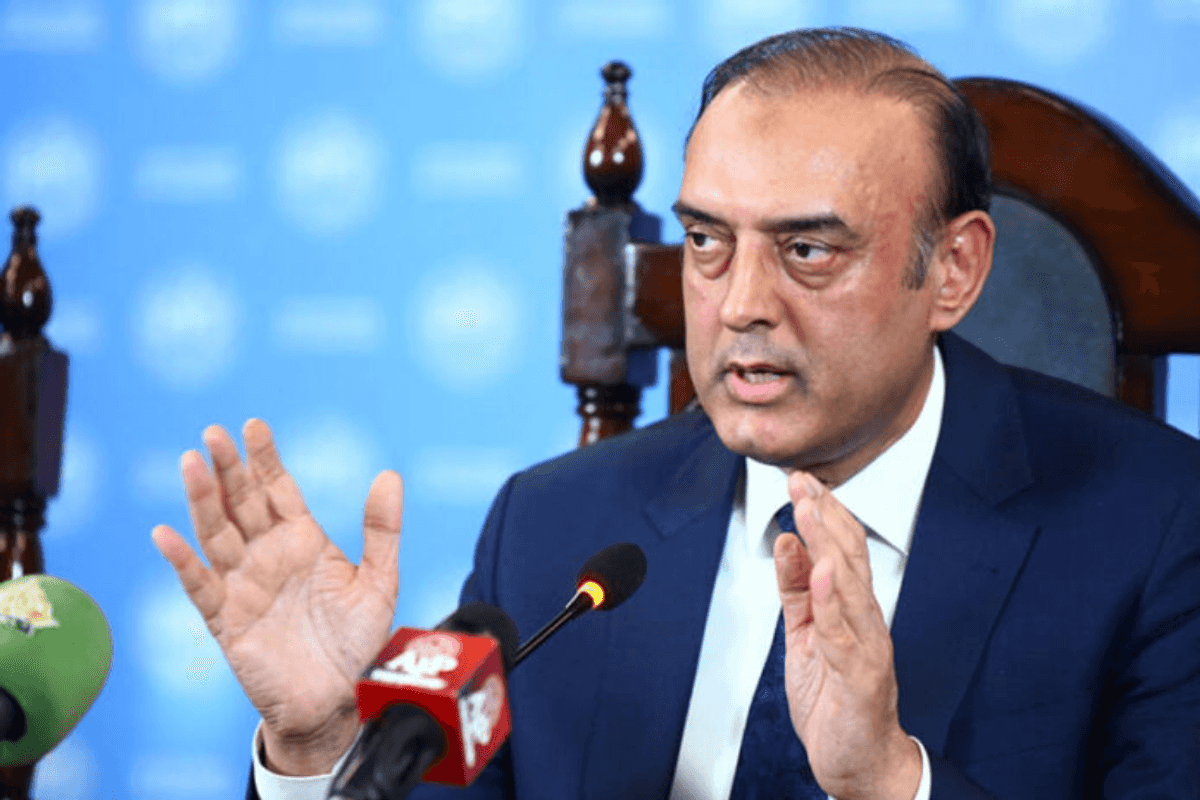
Pakistan’s economy is expected to remain in a phase of recovery and stabilization over the next two years, State Bank of Pakistan Governor Jameel Ahmad has said.
Briefing reporters on the domestic economic outlook, Ahmad said policy choices by the government and the central bank would determine whether the country would need another bailout after the current International Monetary Fund program ends.
Pakistan entered the current $7 billion Extended Fund Facility — it’s 24th such program since 1958 — in 2024. It is scheduled to conclude in September or October 2027.
“The economy has remained stable and has gradually improved over the past three years,” Ahmad said, adding that authorities were focused on maintaining that momentum. “Whatever we will do, we will do to sustain this stabilization.”
Ahmad said no immediate balance-of-payments pressures were expected, even as import bills rise and exports contract. He said foreign debt repayments were projected to be made on time, foreign exchange reserves were expected to increase, and the current account deficit would remain manageable.
Macroeconomic projections
The SBP has projected the current account deficit in the range of 0% to 1% of GDP. “In my personal opinion, the current account deficit would remain below or around half a percentage point of GDP,” Ahmad said.
Inflation is expected to stay within the central bank’s target range of 5% to 7%, he said, while rising inflows of workers’ remittances are expected to support foreign exchange reserves. Remittances are projected to increase to $42 billion in fiscal year 2026 from $38.3 billion in fiscal year 2025.
In January, Ahmad said foreign exchange reserves held by the central bank were expected to reach a record $20.2 billion by the end of December 2026, up from about $16.2 billion currently.
Recalling past policy missteps, Ahmad said the SBP sold about $8 billion in the interbank market during fiscal year 2022 to meet demand, eroding reserves in support of what he described as unsustainable growth. That period saw the current account deficit widen to a record 4.7% of GDP, or $17.6 billion, forcing authorities to impose sharp corrective measures.
Those steps included import restrictions that helped stabilize the economy but pushed inflation to a multi-decade high of 38% in May 2023.
Ahmad said Pakistan could again achieve growth of around 6%, but warned against repeating past mistakes.
“We will avoid utilizing foreign exchange reserves for unsustainable high growth,” he said. “We will aim to achieve higher growth gradually and in a sustainable manner.”



Comments
See what people are discussing