

Pakistan's LNG-based power generation declines as cargoes dry up
RLNG-based power generation fell to a mere 504 Gwh this March compared to 1,528 GwH in the same month last year

Haris Zamir
Business Editor
Experience of almost 33 years where started the journey of financial journalism from Business Recorder in 1992. From 2006 onwards attached with Television Media worked at Sun Tv, Dawn Tv, Geo Tv and Dunya Tv. During the period also worked as a stringer for Bloomberg for seven years and Dow Jones for five years. Also wrote articles for several highly acclaimed periodicals like the Newsline, Pakistan Gulf Economist and Money Matters (The News publications)
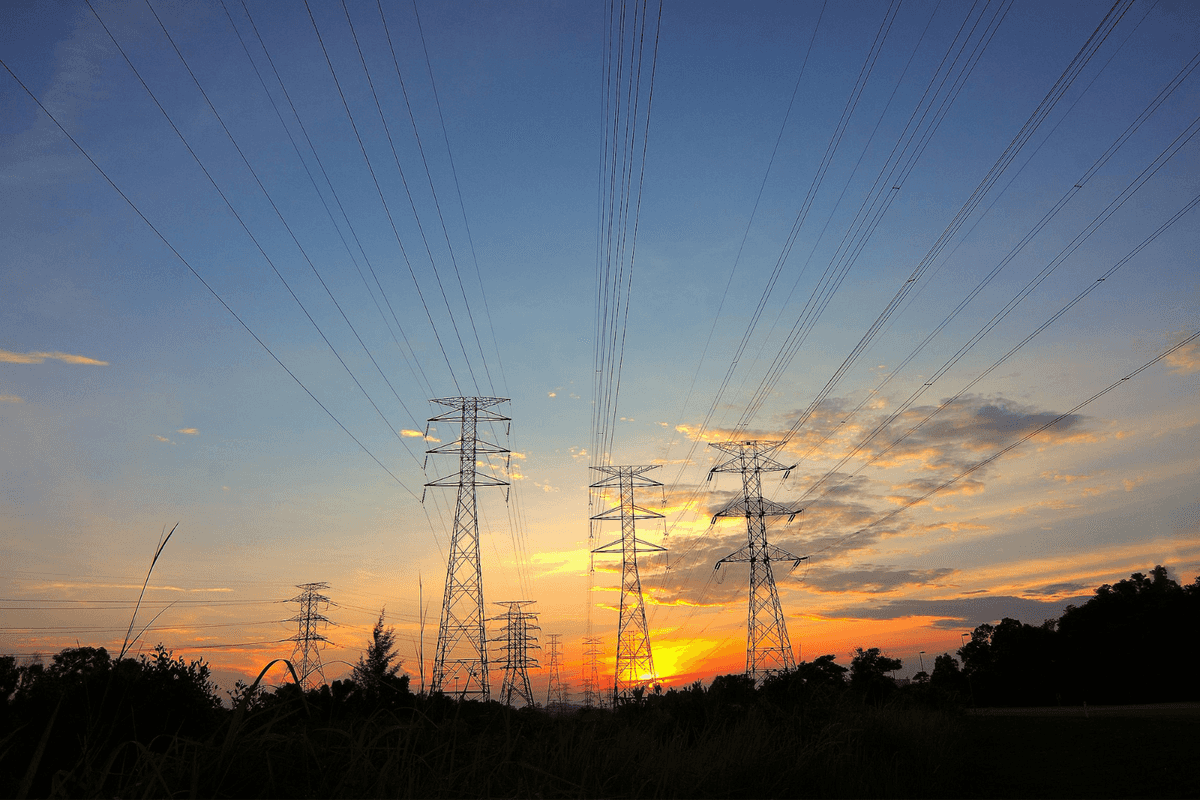
Re-gasified liquified natural gas-based (RLNG) electricity generation in Pakistan fell to a nearly nine-year low in March as the number of LNG vessels arriving at the country's ports dried up. This happened following Iran's attacks on Qatar's energy infrastructure, which led to the closure of Qatar Energy.
According to data from the National Electricity Regulatory Authority (NEPRA) , a state-run entity compiling data of electricity production from different sources such as water, nuclear and coal and Karachi-based brokerage Arif Habib Ltd, RLNG-based power generation fell to a mere 504 Gwh this March compared to 1,528 GwH in the same month last year, a decline of 67%.
The lowest-ever electricity produced from RLNG was 395 GwH in December 2017, Abdul Azeem, head of research at Al-Habib Capital Markets Ltd., informed Nukta.
He pointed out that the share of RLNG-run power plants in the overall electricity generation also fell to 5.6% in March compared to 18.2% in the same month in 2025.
Moreover, it was also 31% lower than the 729 GwH electricity produced just a month earlier.
Declining imports, deliveries uncertain
The country's LNG imports fell to $70 million in March from $226 million in March 2025, according to data released April 16 by the Pakistan Bureau of Statistics, a state-run entity that compiles trade data. In February, the South Asian nation's LNG imports totaled $189 million, according to the data.
In the nine months ended March 31, LNG imports fell to $1.884 billion from $2.682 billion during the same period a year earlier, data from the Pakistan Bureau of Statistics showed.
Last month, officials from Pakistan's Ministry of Petroleum informed members of the parliament's upper house that, in March, only two out of eight scheduled LNG cargoes arrived on time, as shipments from the region were disrupted by the war in the Middle East.
They said the arrival of six cargoes scheduled for April remains uncertain.
Pakistan typically imports about 9-10 LNG cargoes each month from Qatar under long-term LNG purchase contracts.
The country has two contracts with Qatar — one of them, which ends in January 2031, is for 15 years at a Brent slope of 13.37%, while the other contract is for 10 years at a Brent slope of 10.2% and matures in December 2032.
Higher price for cheaper fuel
Pakistan is facing electricity generation shortfall due to LNG import disruptions and lower hydel generation, a situation likely to intensify with the onset of peak summer demand, said Mohammed Waqas Ghani, head of research at JS Global.
"In response, the government is exploring alternative procurement options, including spot LNG purchases and potential government-to-government deals, both expected to come at a premium," Ghani said. Despite the higher cost, LNG remains more cost-efficient than shifting to furnace oil-based generation, which involves significantly higher fuel and generation costs, he said.
In March, the cost of electricity generation from fuel oil power plants was PKR 36.16 per unit compared to PKR 24.56 per unit from RLNG plants.
Mohammed Bilal Ejaz, research analyst at Ismail Iqbal Securities Ltd., said that RLNG-based power generation in Pakistan has been part of the energy mix since Jun 2016, when it was first recorded, and has typically contributed around 17% on average,.
In the nine months of the fiscal year which started July 1, generation from RLNG dropped by 12.2% to 13,777 Gwh compared with 15,690 Gwh in the same period last year, according to NEPRA data. The share of RLNG-based plants in overall generation of electricity dropped to 14.8% from 17.4% of the same period last year.
Pakistan may consider spot LNG purchases as the country faces a daily electricity shortfall of about 4,000 megawatts, with around 3,000 MW attributed to the closure of regasified LNG-powered electricity units following a Qatari force majeure, Power Minister Awais Ahmad Khan Leghari said during a televised address on April 16.
LNG flows into the country have been hampered by developments in the Middle East, he said.
While purchasing spot LNG cargoes remains an option, he cautioned that this could lead to higher prices.





Comments
See what people are discussing