

Pakistan's weekly inflation rises 0.38% ahead of Ramadan
Rise is fueled by increase in vegetable and poultry prices

Business Desk
The Business Desk tracks economic trends, market movements, and business developments, offering analysis of both local and global financial news.
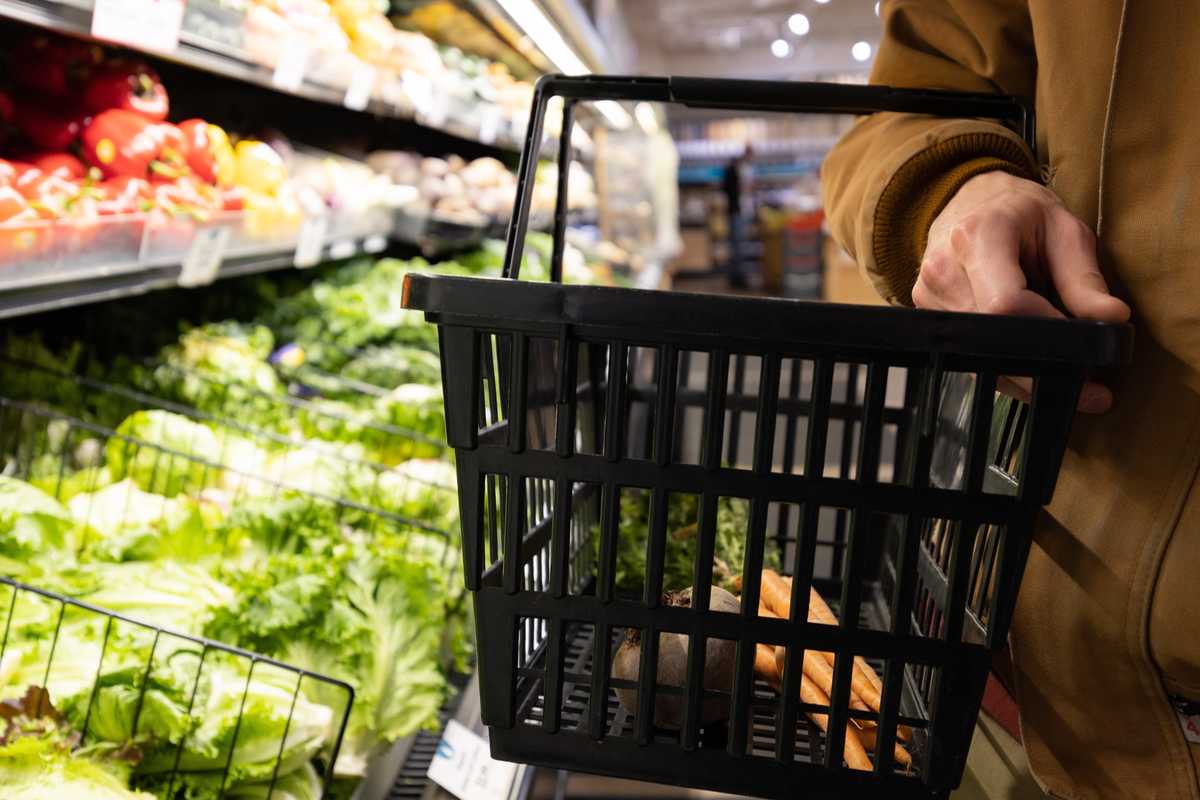
Pakistan's short-term inflation recorded a modest increase of 0.38% for the week ending February 27, according to official data.
The rise was fueled by higher prices for essential goods such as tomatoes, which surged 11.49%, followed by bananas (8.32%), eggs (5.43%), chicken (4.13%), potatoes (2.79%), and onions (2.04%). Sugar, beef, and cigarettes also posted smaller gains.
Conversely, some consumer items saw a notable decline, including Lipton tea prices, down 6.62%, as well as bread (1.67%), pulse mash (1.12%), mustard oil (1.08%), garlic (1%), and liquefied petroleum gas (0.37%).
Year-on-year, inflation was up 0.32%, though experts project further reductions, with February's figure anticipated to dip to approximately 2.1%. Analysts attribute the decline to lower food basket prices and a high base effect.
While Ramadan may temporarily exert upward pressure on food prices in March, the inflation rate is expected to remain near 2% for the month. However, April onwards, inflation is forecast to climb as the base effect fades.
In terms of monetary policy, analysts predict the central bank will cut rates by 50 basis points, following a significant 1,000 basis point reduction since June 2024, to evaluate the impact on economic conditions.




Comments
See what people are discussing