

Pakistan shares US proposal as Iran rejects terms and sets conditions
A senior Iranian official says Tehran will not allow US President Trump to dictate timing of war’s end

Aamir Abbasi
Editor, Islamabad
Aamir; a journalist with 15 years of experience, working in Newspaper, TV and Digital Media. Worked in Field, covered Big Legal Constitutional and Political Events in Pakistan since 2009 with Pakistan’s Top Media Organizations. Graduate of Quaid I Azam University Islamabad.
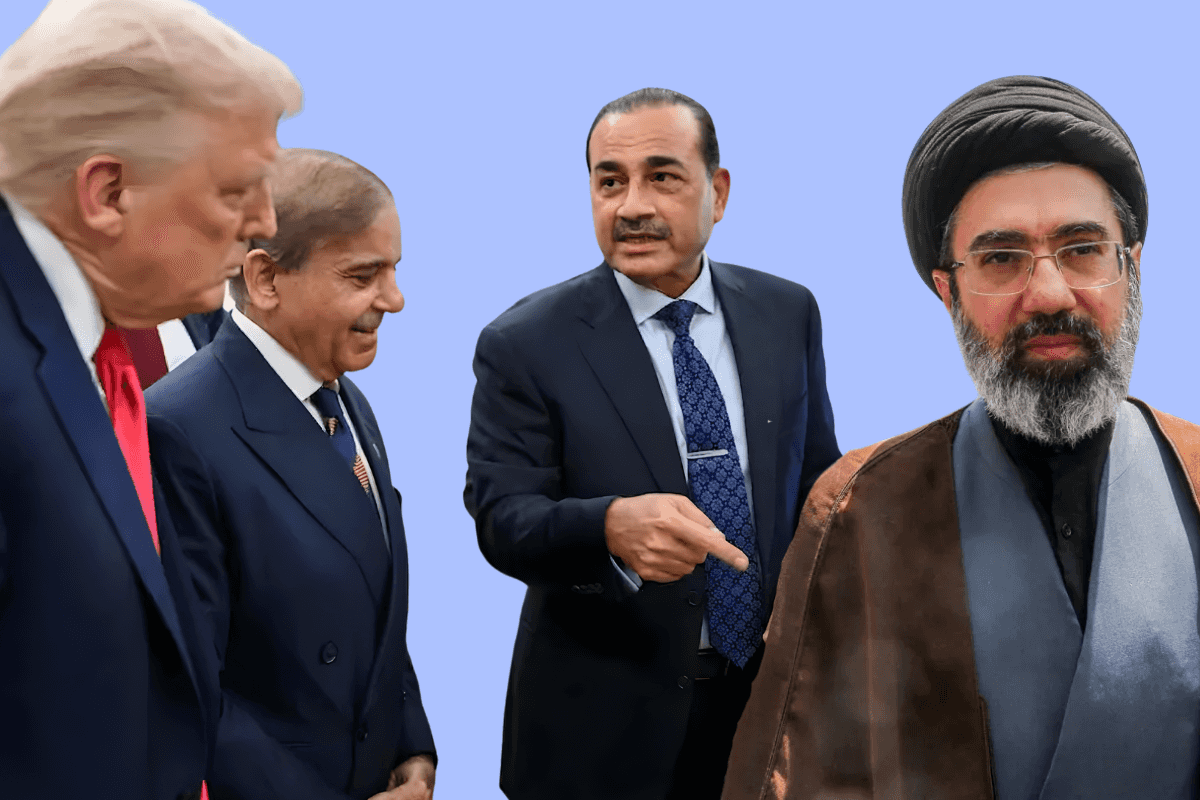
A formal meeting between U.S. and Iranian representatives could take place in Islamabad or Istanbul within 48 hours.
Nukta
Pakistan has shared a U.S. proposal aimed at ending the war with Iran, senior diplomatic sources said Wednesday, while Tehran has responded negatively, insisting any resolution will occur on its own terms and timeline.
A formal meeting between U.S. and Iranian representatives could potentially take place in Islamabad or Istanbul within 48 hours, sources added, noting that American officials are already in the region to prepare for talks.
Pakistani diplomats emphasized that confidentiality is crucial to maximize the chances of a successful outcome.
Iran rejects US proposals
Meanwhile, a senior political-security official, speaking to Press TV, said Iran will not allow U.S. President Donald Trump to dictate the timing of the war’s end. “Iran will end the war when it decides to do so and when its own conditions are met,” the official said, adding that Tehran will continue its defense and inflict “heavy blows” until demands are fulfilled.
According to the official, Washington’s proposals were “excessive” and disconnected from the reality of its battlefield failures. Tehran also described previous rounds of negotiations in spring and winter 2025 as deceptive, claiming the U.S. had no genuine intent to engage in dialogue and subsequently carried out military aggression.
The official outlined five conditions under which Iran would agree to end the conflict:
- A complete halt to “aggression and assassinations” by enemy forces.
- Establishment of mechanisms to ensure the war is not reimposed on Iran.
- Guaranteed payment of war damages and reparations.
- Conclusion of the war across all fronts and resistance groups in the region.
- International recognition and guarantees of Iran’s sovereign authority over the Strait of Hormuz.
The official emphasized that these demands build on those presented in the second round of Geneva negotiations, held just before a fresh U.S.-Israeli attack on Feb. 28. No ceasefire will occur unless all conditions are accepted.
Attacks escalate across the region
The war, which began Feb. 28 with coordinated U.S. and Israeli strikes—including the assassination of Iran’s Leader Ayatollah Seyyed Ali Khamenei and other top officials—has disrupted global energy markets and aviation. Iranian forces have carried out nearly 80 waves of retaliatory strikes on Israeli and American military assets across the region.
Early Wednesday, Iran launched missiles and drones targeting Israel and U.S. positions in Kuwait, Jordan, and Bahrain. Air raid sirens sounded across central Israel, with AFP footage showing missile trails over Netanya. In Kuwait, a drone strike hit a fuel tank at the international airport, sparking a fire. Jordan reported debris near Amman, and Bahrain activated air defense alerts.
The violence has spread to Lebanon, where Israeli forces intensified attacks on Iran-backed Hezbollah. Authorities report more than 1,000 killed and over a million displaced. Gulf countries face heightened threats, affecting tourism, shipping, and air travel.
Diplomatic and economic implications
U.S. President Donald Trump signaled renewed interest in diplomacy, claiming Tehran offered a “very big present” linked to the Strait of Hormuz, a key route for global oil supplies. Disruptions there have pushed energy prices higher. Iran warned that access may be further restricted if attacks continue.
Media reports suggest the U.S. is exploring backchannel diplomacy, possibly involving Pakistan as an intermediary. However, The Wall Street Journal reported plans to deploy additional U.S. troops to the region. Iran communicated via the International Maritime Organization that “non-hostile vessels” would be allowed safe passage, while ships linked to the U.S. or Israel would be denied.
The conflict’s disruption has already strained the global economy, prompting energy curbs and flight cancellations. Jean-Marie Paugam of the World Trade Organization warned that fertilizer supply disruptions could have long-term effects on global food production. “If fertilizer supplies are affected, it will impact both output and prices, with effects carrying into future harvests,” he said.





Comments
See what people are discussing