

Pakistan six-month T-bill yield hits 1.5-year high on rate hike fears
Yield tops 12% as investors bet on further rate hikes amid inflation and rising oil prices

Habib Khan
Correspondent/Producer
Abdul Habib Khan is a dedicated professional, holding a B.S in Mass Communication from the University of Karachi. With over 9 years of experience in journalism, social media management, and content writing, with notable roles at Nukta, Suno News, and 24 News HD.
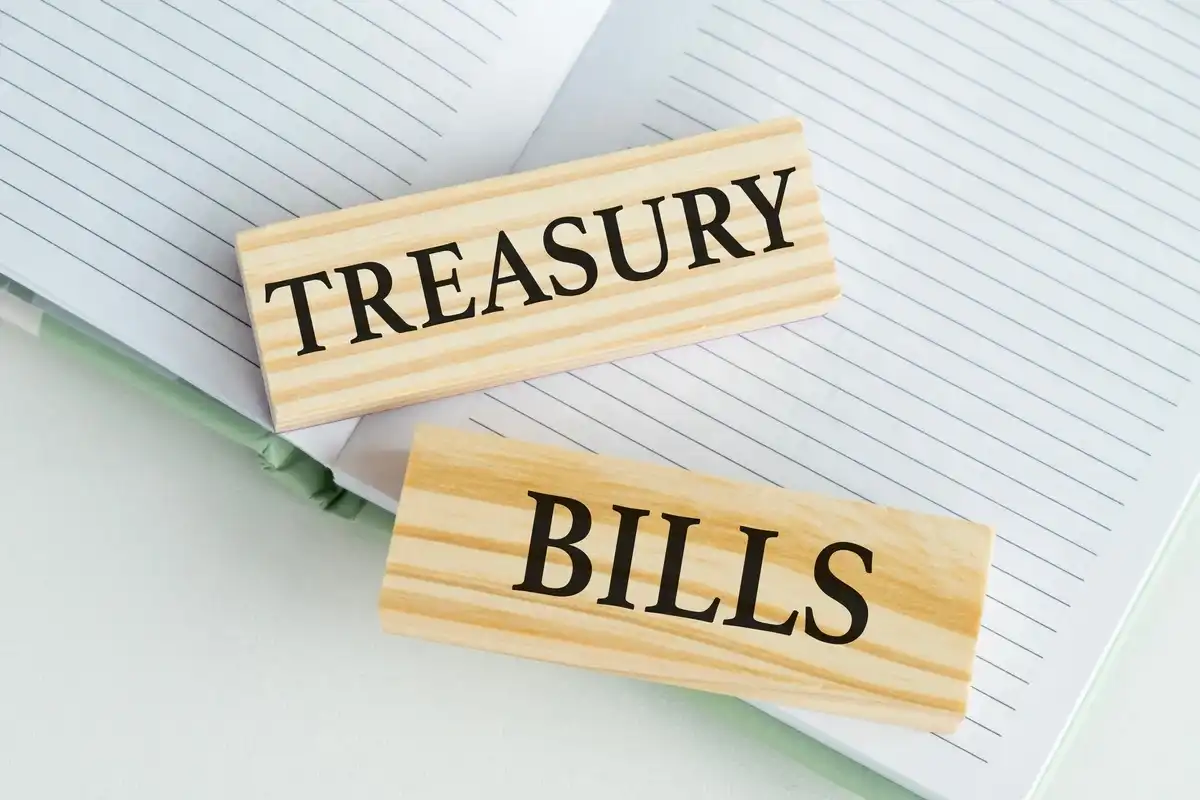
Pakistann six-month T-bill yield climbs above 12% as markets brace for tighter monetary policy
Pakistan’s six-month Treasury bill yield surged to a one-and-a-half-year high on Thursday as investors increasingly priced in the possibility of another interest rate hike by the central bank amid rising inflationary pressures driven by elevated global oil prices and tensions in the Middle East.
The six-month T-bill yield crossed the 12% threshold, reaching 12.26%, its highest level in nearly 18 months, according to Topline Securities.
“Rising yields are attributed to higher inflation expectations amid elevated oil prices,” Topline Securities said in a market note, adding that the six-month yield had climbed 243 basis points from a low of 9.83% recorded in January 2026.
In Wednesday’s Treasury bill auction, the government raised PKR 950 billion against a target of PKR 1 trillion, while overall participation remained strong at PKR 2.56 trillion, reflecting ample liquidity in the financial system.
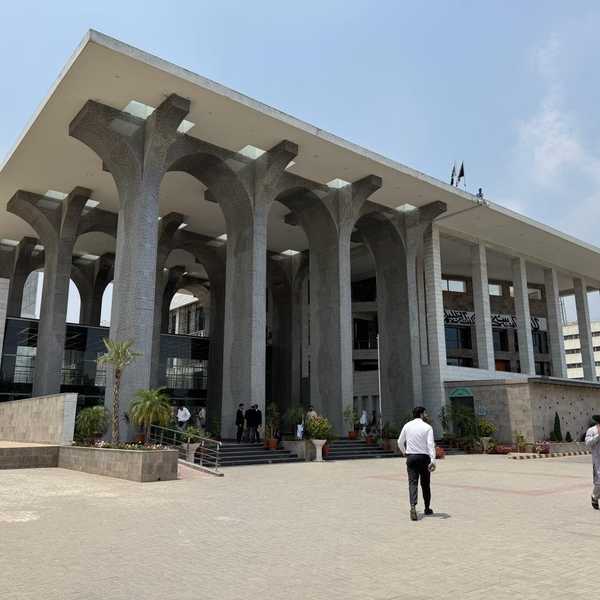
Analysts said the sharp rise in cut-off yields signaled growing market expectations of further monetary tightening after the State Bank of Pakistan recently increased its benchmark policy rate by 100 basis points to 11.50%.
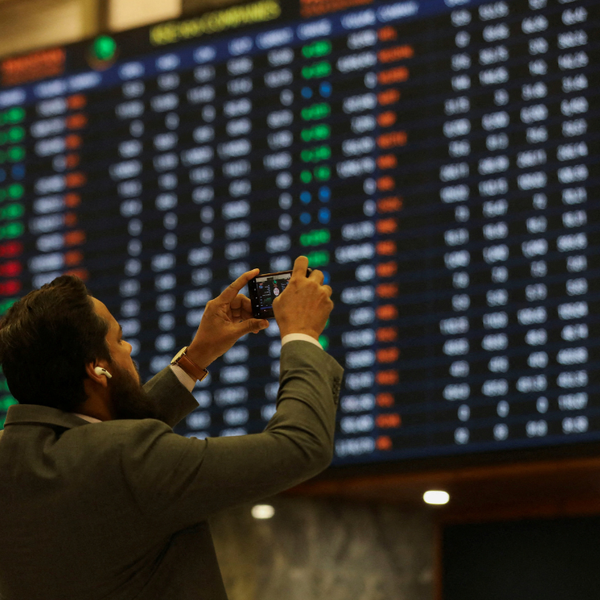
Chase Securities said Pakistan’s equity market was likely to remain range-bound as investors assessed the impact of higher interest rates, inflation risks and expensive energy imports on the broader economy.
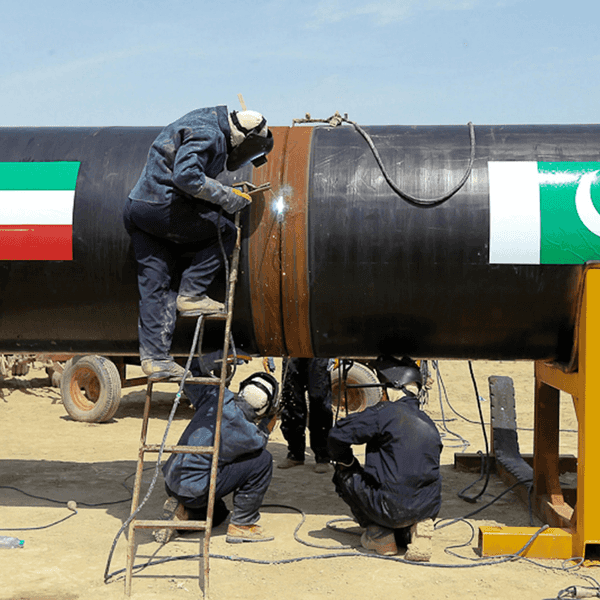
The brokerage noted that international oil prices hovering near USD 100 per barrel remained a major concern for investors, warning that sustained high energy costs could keep inflation elevated in the coming months.
Chase Securities said market participants were increasingly cautious that inflation in May could remain between 12% and 13%, potentially prompting another rate increase by the central bank at its upcoming monetary policy meeting.
The firm added that investor sentiment could improve if geopolitical tensions in the Middle East eased and global oil prices retreated, strengthening expectations that the central bank may pause further monetary tightening.
Analysts also said investors were awaiting greater clarity on Pakistan’s upcoming federal budget and the future path of interest rates, with defensive sectors such as exploration and production, banking, and fertilizer stocks expected to remain in focus because of their relatively stable earnings outlook in a high-inflation environment.


Comments
See what people are discussing