

Pakistan survey finds 68% of urban drinking water unsafe for consumption
Report says only 32% of samples meet safety standards, while most fail, with widespread microbial contamination posing health risks

Ali Hamza
Correspondent
Ali; a journalist with 3 years of experience, working in Newspaper. Worked in Field, covered Big Legal Constitutional and Political Events in Pakistan since 2022. Graduate of DePaul University, Chicago.
X
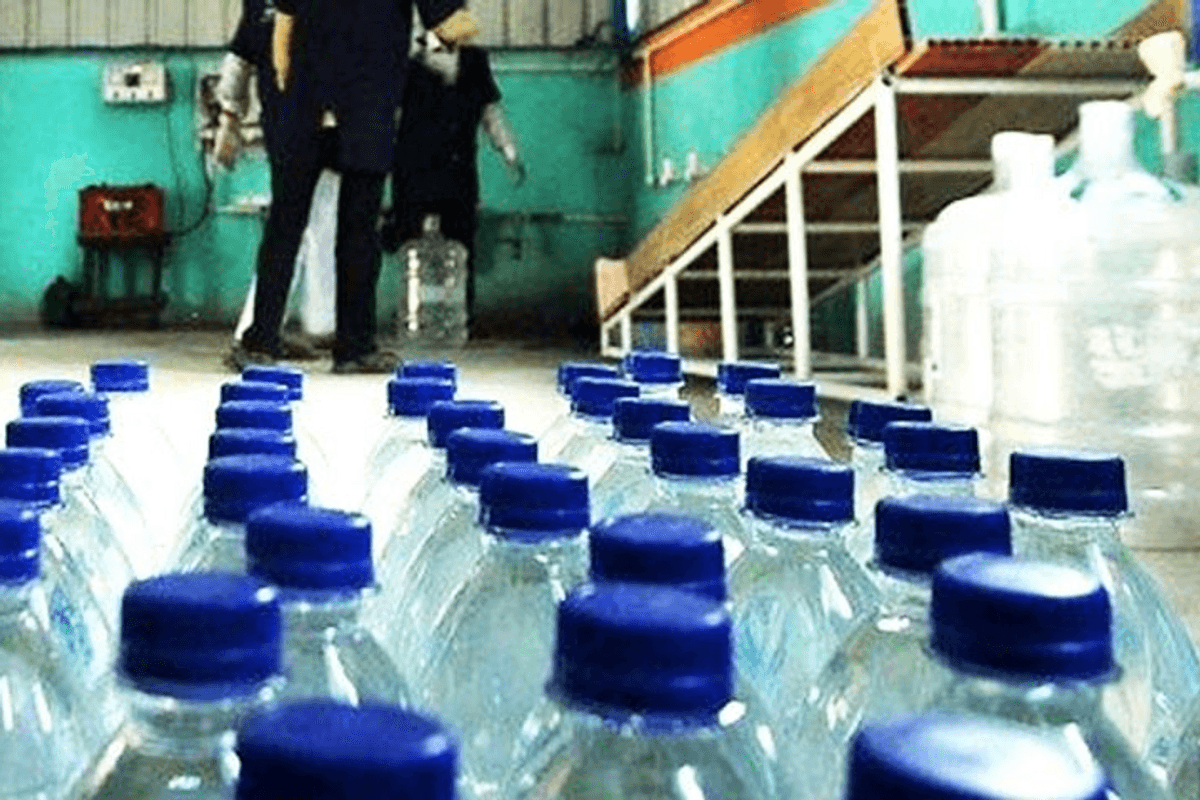
Nearly 70% of drinking water samples collected from major Pakistani cities are unsafe for human consumption, according to a national survey presented to parliament on Thursday, underscoring persistent public health risks despite gradual improvements over the past two decades.
The findings are based on a comprehensive assessment conducted by the Pakistan Council of Research in Water Resources (PCRWR), which tested 2,205 water samples collected in 2025 from 70 cities under the National Water Quality Monitoring Programme.
Only 32% of the samples met safety standards, while 68% failed, the report said. Of the contaminated samples, 59% showed microbial pollution capable of causing serious illness.
A 20-year trend analysis submitted with the report shows slow but steady improvement. Safe drinking water levels stood between 12% and 18% in the early 2000s, rose to about 32% by 2015, reached nearly 39% in 2020 and climbed to around 48% in 2025. However, the proportion of safe water has not exceeded 50% at any point during the monitoring period.
Provincial and regional data reveal sharp disparities in water quality across the country.
Sindh recorded the highest share of unsafe water, with 89% of samples failing safety standards. Azad Jammu and Kashmir followed at 85% unsafe, while Gilgit-Baltistan recorded 69%. Punjab, which had the largest sample size, reported 61% unsafe water, while Balochistan recorded 59%. Khyber Pakhtunkhwa performed best among the main regions, with 60% of samples meeting safety standards.
City-level results show even wider variation.
Among larger cities with substantial testing, Peshawar recorded the highest share of safe water at 86%, followed by Gujrat at 75%, Sialkot at 72%, Lahore at 62% and Gujranwala at 57%.
At the other end of the spectrum, Karachi recorded 91% unsafe samples, while Malir, part of the Karachi metropolitan area, reported 88% unsafe water. Hyderabad followed with 85%, Rawalpindi with 77% and Islamabad with 61% unsafe samples.
Smaller towns showed extreme outcomes in both directions. Mardan and Nowshera in Khyber Pakhtunkhwa reported 100% safe samples, though both were based on fewer than 20 tests, while several towns in Sindh recorded entirely unsafe results.
In a written response to a parliamentary question, the government cited multiple causes for widespread contamination. These include heavy reliance on groundwater increasingly affected by over-extraction, leaking sewage systems and naturally occurring pollutants such as arsenic, fluoride and salinity.
In cities dependent on surface water, including Karachi, untreated municipal and industrial waste continues to pollute rivers and coastal sources. Officials also pointed to aging infrastructure, leaky pipes, intermittent water supply, cross-connections and poor household storage and hygiene practices, which allow contamination after treatment.
Responsibility for water supply and sanitation was devolved to provincial governments following Pakistan’s 18th Constitutional Amendment in 2010, although the federal PCRWR continues to conduct independent nationwide assessments.
With a population of about 240 million, Pakistan faces significant public health risks from contaminated water, particularly for children. Detailed city-level data, contamination profiles and long-term trends are included in the PCRWR report available through parliamentary records.





Comments
See what people are discussing