

Pakistan proposes tax on early life insurance, takaful payouts to curb avoidance
Finance Bill 2026 would tax gains from policies redeemed within seven years while exempting death and disability benefits

Haris Zamir
Business Editor
Experience of almost 33 years where started the journey of financial journalism from Business Recorder in 1992. From 2006 onwards attached with Television Media worked at Sun Tv, Dawn Tv, Geo Tv and Dunya Tv. During the period also worked as a stringer for Bloomberg for seven years and Dow Jones for five years. Also wrote articles for several highly acclaimed periodicals like the Newsline, Pakistan Gulf Economist and Money Matters (The News publications)
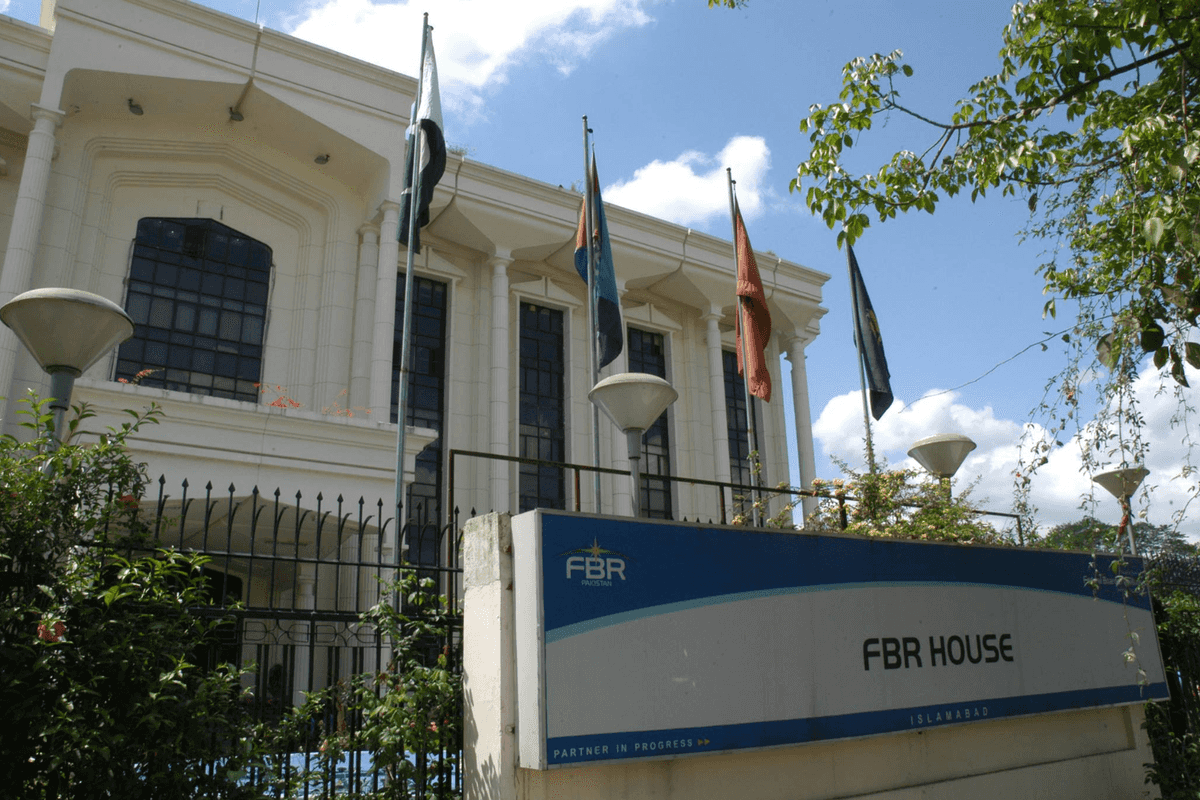
The government has proposed sweeping changes to the tax treatment of life insurance and takaful products, aiming to curb what it describes as the misuse of insurance schemes for tax avoidance and revenue arbitrage, according to the Finance Bill 2026.
The Federal Board of Revenue (FBR) said it had identified cases in which life insurance products were being used primarily as tax-planning vehicles rather than for genuine risk protection, allowing investors to earn substantial gains through preferential tax treatment.
To address the issue, the government has proposed inserting a new Section 7G into the Income Tax Ordinance, 2001, under which certain payments made by life insurance companies and family takaful operators to individuals would become taxable from tax year 2026 onward.
Under the proposed provision, tax would apply to payouts, benefits, surrender values, maturity proceeds and similar payments received from life insurance policies, family takaful certificates and comparable arrangements. Taxable income would be calculated by subtracting the total premiums or contributions paid by the policyholder from the gross amount received.
The Finance Bill exempts payments made upon the death of the insured person, benefits paid because of disability, and payouts received after seven years from the issuance date of the policy or certificate.
The bill also states that tax collected under Section 7G would constitute a final discharge of tax liability on income arising from such payouts.
To enforce the new regime, the government has proposed a new Section 151B requiring life insurance companies, family takaful operators and window takaful operators to deduct withholding tax when making eligible payments.
According to Division IC of Part III of the First Schedule, payouts made within one year of a policy’s issuance would be subject to a 15% withholding tax, while payments made after one year but before seven years would be taxed at 10%. Payouts received after seven years would remain exempt.
The FBR said the proposed measures are intended to discourage the use of life insurance products as tax-planning instruments while preserving their role in providing financial protection and social security.
Tax experts said the changes target short-term investment structures marketed as insurance products largely to benefit from favorable tax treatment. They said the proposed taxation of early withdrawals and maturity proceeds is intended to close loopholes that have resulted in significant revenue losses for the government.
In a related move, the Finance Bill proposes amendments to Section 152 of the Income Tax Ordinance requiring banks that maintain Foreign Currency Value Accounts (FCVAs), Foreign Currency Business Value Accounts (FCBVAs), Non-Resident Rupee Value Accounts (NRVAs) and Non-Resident Rupee Business Value Accounts (NRBVAs) to deduct tax on capital gains arising from the disposal of debt instruments and government securities, including Shariah-compliant investment instruments.
The proposed measures will take effect following parliamentary approval of the Finance Bill 2026 and enactment of the legislation.




Comments
See what people are discussing