

Pakistan textile exports fall 7% in February
Declines in yarn, cloth and home textiles weigh on sector performance

Business Desk
The Business Desk tracks economic trends, market movements, and business developments, offering analysis of both local and global financial news.
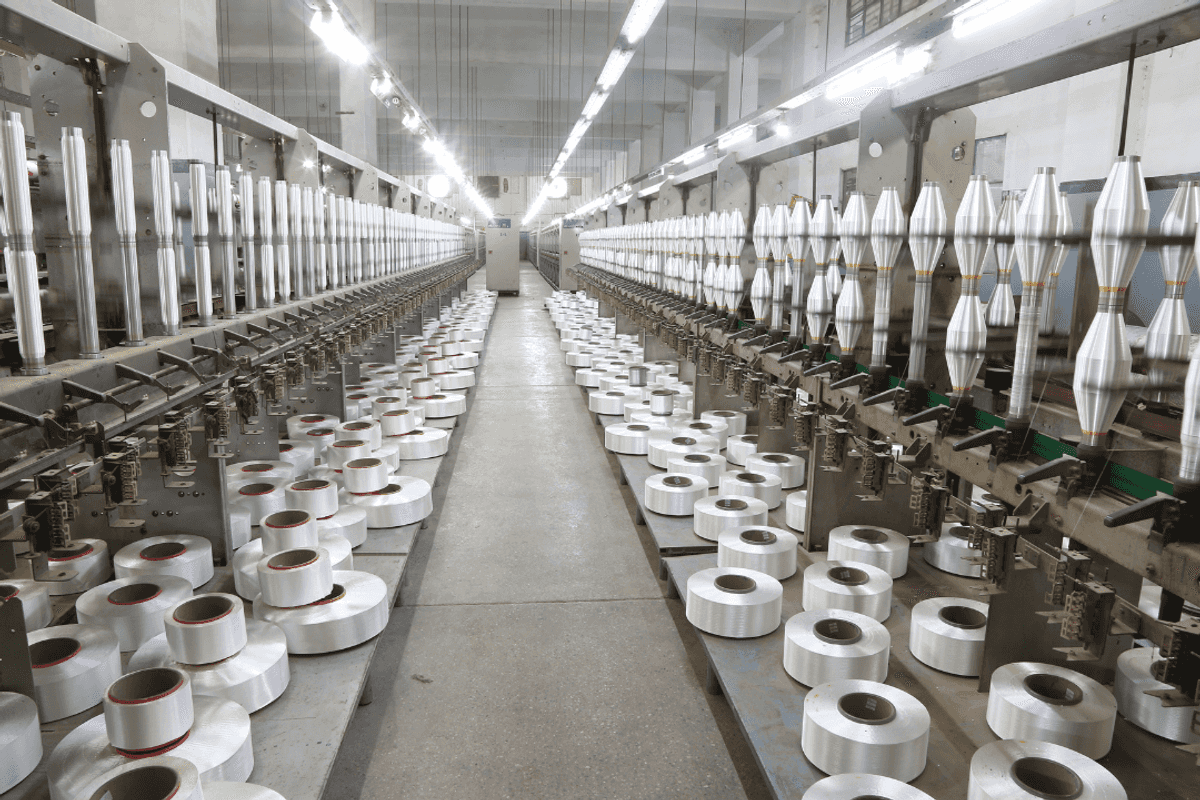
Pakistan’s textile exports fell 7% year over year in February, driven largely by declines in key product categories including cotton cloth, yarn and home textiles, according to recently released sector data.
Exports of cotton cloth dropped 11%, cotton yarn 16%, knitwear 15%, bedwear 12%, towels 16%, and art and silk products 27% compared with the same month last year.
On a month-to-month basis, textile exports declined more sharply, falling 25% from January. The drop was mainly attributed to weaker demand for value-added textiles, particularly home textile products. Cotton cloth, yarn and other value-added textile categories accounted for much of the monthly decline.
Basic textile exports totaled $209 million in February, up 3% from a year earlier, supported largely by stronger shipments of cotton yarn. However, value-added textile exports dropped 10% year over year, while other textile exports declined 5%.
Cotton arrivals
Meanwhile, Pakistan’s cotton arrivals rose slightly by 1% year over year to about 5.5 million bales as of January. The increase was supported by a 4% rise in production in Sindh province.
Punjab, the country’s largest cotton-producing region, recorded a 3% decline in output due to lower yields linked to flood damage, adverse weather conditions and increasing competition from alternative crops.
Imports of raw cotton fell 2% year over year to $109 million, reflecting lower demand from domestic textile mills as well as improved local production.
Cotton prices remained largely stable during the month but are expected to rise as inflation pressures grow and geopolitical tensions in the Middle East intensify, factors that analysts say could dampen global demand for textile exports.
Industry observers say Pakistan’s textile sector faces mounting challenges as geopolitical tensions disrupt global trade routes, pushing up freight and energy costs.
Rising international crude oil prices — up 68% so far this year — have prompted the Pakistani government to increase domestic fuel prices, further raising production costs for textile manufacturers.
At the same time, weaker global demand and competitive pressures are weighing on the industry. Analysts point to tariff disparities in the U.S. market, where Indian textile exports face tariffs of about 18% compared with roughly 19% for Pakistani goods, as well as the potential impact of a proposed India-European Union free trade agreement.
Together, these factors could significantly constrain Pakistan’s textile exports in the near term, analysts said.





Comments
See what people are discussing