

Pakistan vows to continue anti-terror operations in Afghanistan until 'threats are eliminated'
Islamabad says operations target only groups accused of attacks inside its territory

Aamir Abbasi
Editor, Islamabad
Aamir; a journalist with 15 years of experience, working in Newspaper, TV and Digital Media. Worked in Field, covered Big Legal Constitutional and Political Events in Pakistan since 2009 with Pakistan’s Top Media Organizations. Graduate of Quaid I Azam University Islamabad.
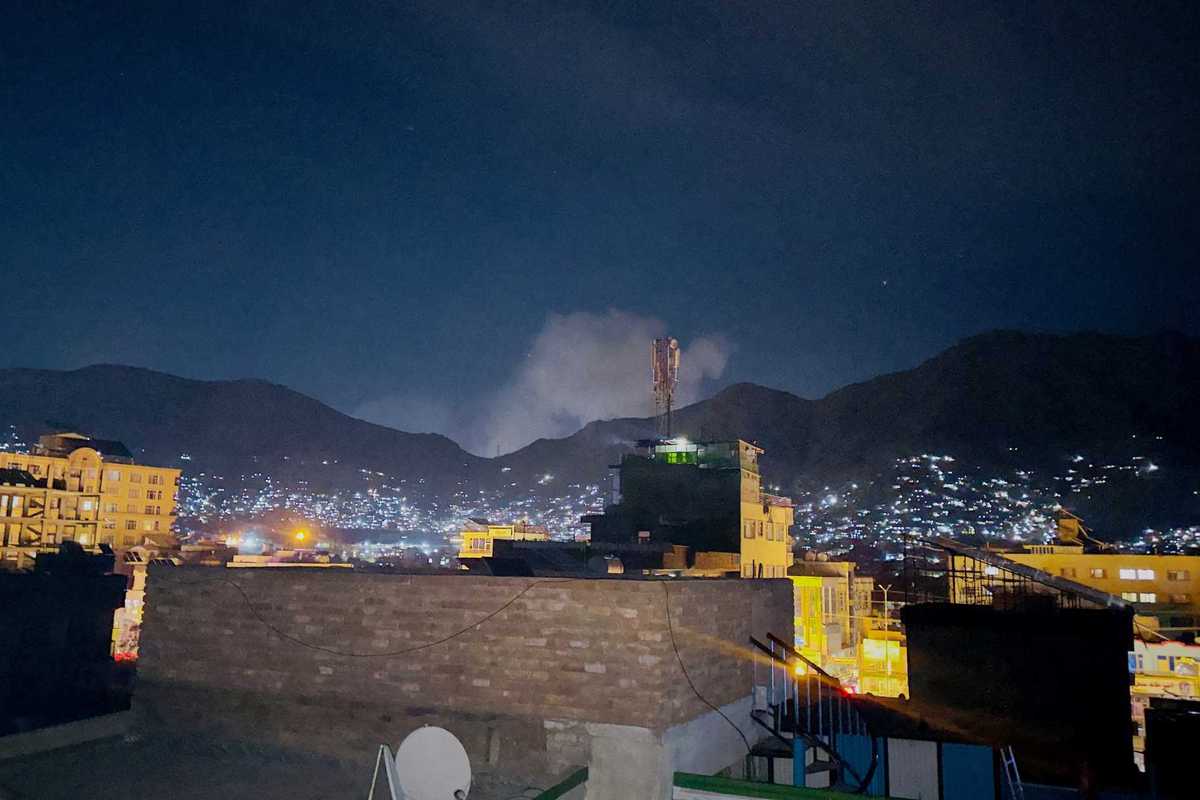
Smoke rises after an explosion in what the Taliban said was a Pakistani air strike in Kabul, Afghanistan, March 16, 2026.
Reuters
Pakistan has informed China that it will continue targeted counter-terrorism operations against militant hideouts inside Afghanistan until groups responsible for attacks in Pakistan are completely neutralized, according to senior officials familiar with the discussions.
The message was conveyed during high-level meetings in Islamabad from March 11 to 13 between Pakistani officials and China’s special envoy for Afghan affairs, Yue Xiaoyong.
The envoy held consultations with Pakistan’s Foreign Secretary Amna Baloch and Pakistan’s Special Representative for Afghanistan, Mohammad Sadiq, who also serves as special assistant to the prime minister.
A senior official from Pakistan’s Foreign Ministry, speaking on condition of anonymity, said Beijing did not request Islamabad to halt its operations against militant sanctuaries across the border, nor did Pakistan propose any pause in its actions.
“Neither side raised stopping the actions,” the official said, adding that Pakistan’s counter-terrorism policy remains unchanged.
Pakistan’s Foreign Ministry reiterated that the operations are directed solely at groups involved in carrying out attacks inside Pakistan.
“Our stance on terrorism is very clear. The elements committing terrorism in Pakistan are the ones being targeted,” the ministry said.
Chinese officials reaffirmed Beijing’s “zero-tolerance” approach toward terrorism during the talks, the official added.
China steps up shuttle diplomacy
The consultations took place amid heightened tensions along the Pakistan-Afghanistan border following recent cross-border clashes.
Pakistan has carried out strikes against what it describes as terrorist infrastructure in Afghanistan. Afghan forces have responded with retaliatory fire in some areas.
Yue’s visit to Islamabad was part of China’s broader diplomatic effort to reduce tensions between Pakistan and the Taliban administration in Kabul and to encourage greater regional cooperation against militant groups.
On March 12, Mohammad Sadiq said in a post on X that he had held a “detailed meeting” with Yue after the envoy arrived from Kabul.
Held a detailed meeting with my Chinese counterpart, Ambassador Yue Xiaoyong, who arrived from Kabul this morning. Discussed threats posed by terrorist groups such as TTP and ETIM to Pakistan and China respectively. Agreed on the need for collective efforts to ensure lasting… pic.twitter.com/k9CjllpDxT
— Mohammad Sadiq (@AmbassadorSadiq) March 12, 2026
According to Sadiq, the two sides discussed threats posed by militant groups, including Tehrik-i-Taliban Pakistan and East Turkestan Islamic Movement, which Islamabad and Beijing accuse of operating from Afghan territory.
“We agreed on the need for collective efforts to ensure lasting peace and stability,” Sadiq wrote.
Yue later described the engagements as constructive, saying discussions focused on avoiding escalation, returning to dialogue, and working together to promote peace, counter-terrorism cooperation and regional development.
Security concerns for Pakistan and China
Pakistan has repeatedly accused the TTP of launching attacks inside its territory from safe havens in Afghanistan, an allegation the Taliban authorities in Kabul have largely denied.
The TTP has intensified operations in Pakistan in recent years, targeting security forces and infrastructure, particularly in the country’s northwestern regions.
China has expressed concern about the presence of ETIM militants, whom Beijing says could threaten stability in its Xinjiang region and pose risks to Chinese interests in the wider region.
Both Pakistan and China view cooperation against these groups as essential for regional security.
Pakistani officials maintain that their actions across the border are defensive and narrowly focused on militant threats emanating from Afghan territory.
China, which maintains diplomatic ties with both Islamabad and the Taliban authorities in Kabul, has urged restraint and dialogue while supporting efforts to counter terrorism.
Beijing has encouraged all sides to avoid escalation and pursue negotiations aimed at ensuring long-term peace, security and economic development in the region, while not opposing Pakistan’s targeted counter-terrorism measures.

Comments
See what people are discussing