Pakistan's weekly inflation eased to 14.47% year-on-year in the third week of May, down slightly as chicken, fuel, and electricity prices declined, according to the Pakistan Bureau of Statistics data for the week ended May 21.
On a weekly basis, the Sensitive Price Indicator (SPI) fell 0.33%.
The decline was driven mainly by an 8.56% drop in chicken prices and a 6.08% cut in electricity charges.
The easing offers modest relief amid a broader inflation surge. Headline CPI jumped to 10.9% in April from 7.3% in March, the fastest monthly pace in nine months.
Which items saw the biggest price increases?
Of the 51 items tracked for the week ended May 21, 26 (50.98%) rose in price. Eleven items (21.57%) fell, and 14 (27.45%) remained stable.
Despite the weekly fall, year-on-year comparisons show persistent inflationary pressure. The cumulative impact of earlier fuel price increases continues to cascade through the supply chain.
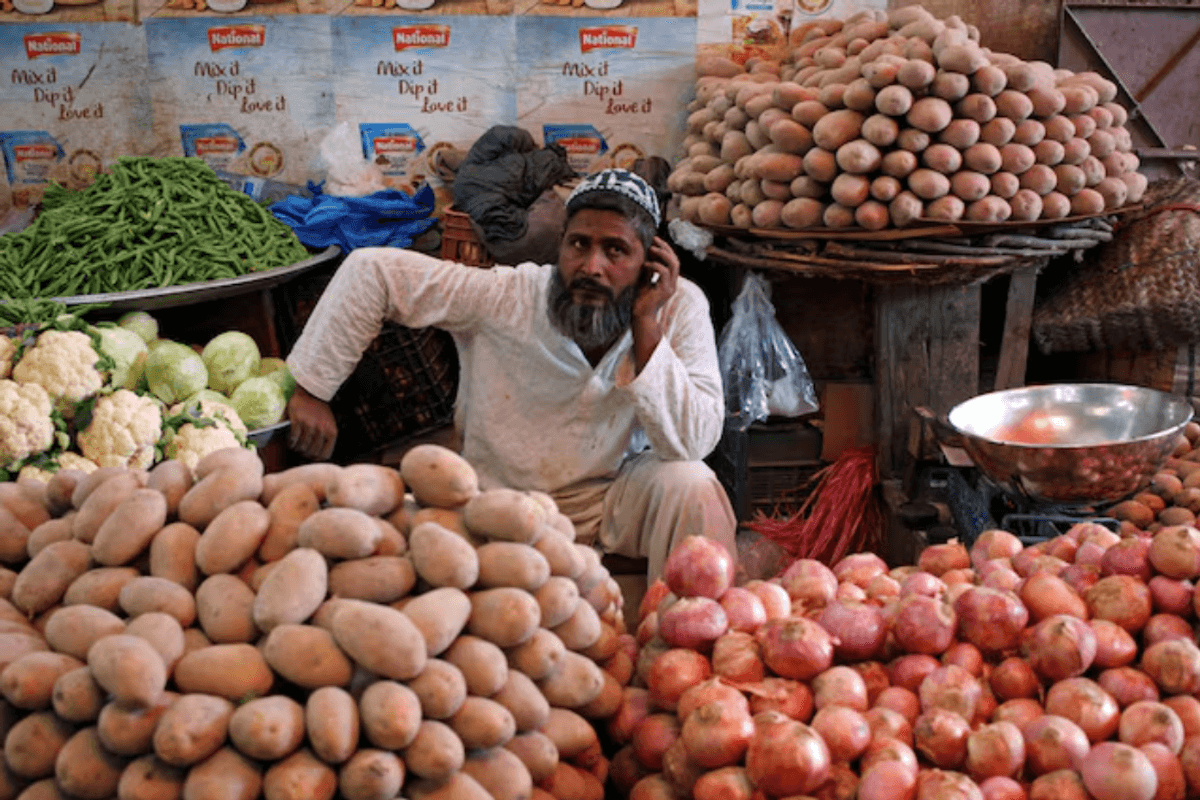
Year-on-year, onion prices surged the most at 68.33%. Petrol rose 62.24%, diesel 60.9%, wheat 59.45%, and LPG 50.73%.
Week-on-week, tomatoes posted the biggest increase at 7.17%, followed by onions 6.08%, and wheat flour 1.84%.
Which items became cheaper this week?
Chicken prices fell 8.56% week-on-week to PKR 364.8 per kilogram, recording the biggest weekly decline. The lowest slab of electricity charges also dropped 6.08% to PKR 6.95 per unit.
Both petrol and diesel retreated 1.21% week-on-week, to PKR 411.76 and PKR 411.59 per liter, respectively.
Year-on-year, potatoes fell the most at 42.02%. Eggs dropped 24.47%, pulse gram declined 21.84%, chicken fell 21.79%, and sugar declined 14.95%.
What is the SPI and how does it differ from CPI?
Pakistan tracks inflation through two main measures. The SPI monitors 51 essential commodities weekly across 50 markets in 17 cities. It serves as a short-term inflation gauge.
The Consumer Price Index (CPI) tracks broader monthly price trends. In April, CPI rose to 10.9%, with transport costs up 29.9% year-on-year and housing and utilities up 16.8%.
Why did the SBP raise interest rates in April?
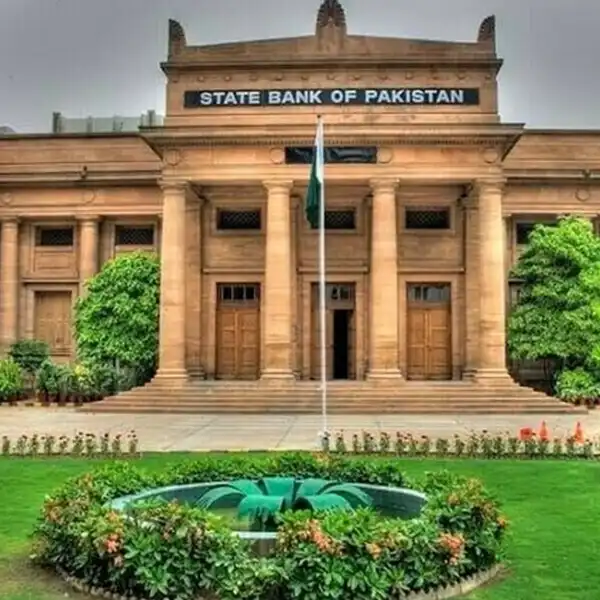
In late April, the State Bank of Pakistan raised its key policy rate by 100 basis points to 11.5%. It was the first rate hike since June 2023. The bank had held rates at 10.5% in both its January and March 2026 meetings.
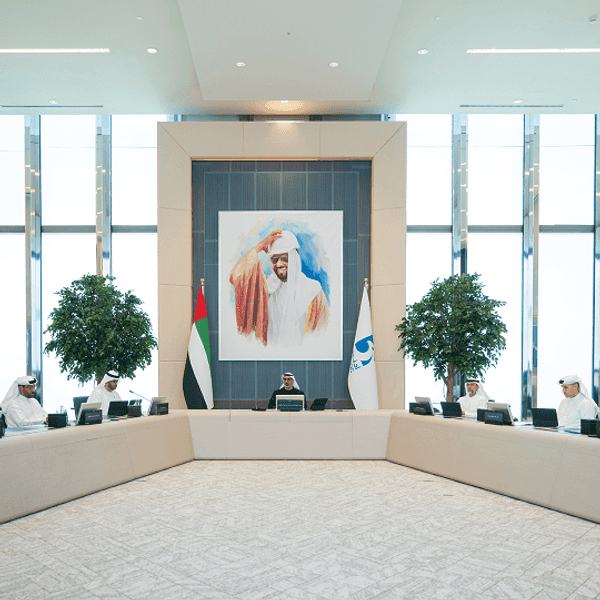
The Monetary Policy Committee cited escalating Middle East tensions as a driver of higher global fuel prices. Rising freight and insurance costs have also disrupted trade and travel.
The SBP expects inflation to stay above the 5-7% target range for most of FY27. Governor Jameel Ahmed projected real GDP growth of 3.75-4.75% for FY26.





Comments
See what people are discussing