

Qatar warns LNG export disruptions could last months after Hormuz reopening
Qatar LNG exports slow as more than 100 vessels wait outside Hormuz

Business Desk
The Business Desk tracks economic trends, market movements, and business developments, offering analysis of both local and global financial news.
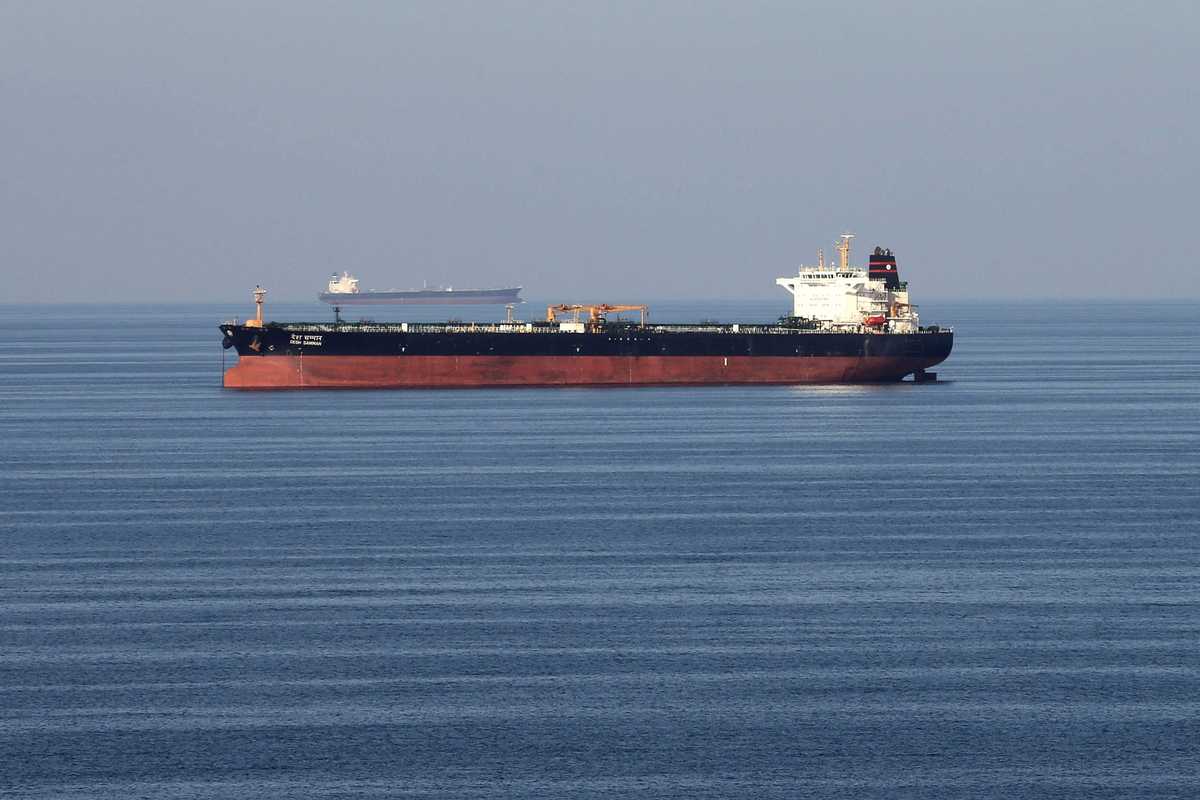
Qatar’s energy minister said it could take at least two to three months for liquefied natural gas exports and broader energy shipments to return to normal even after the Strait of Hormuz fully reopens, warning that shipping bottlenecks and logistical disruptions will continue to affect global markets.
According to Energy Intelligence’s “Snapshot,” Energy Minister Saad al-Kaabi said the main challenge facing Qatar was not production capacity but restricted shipping through the strategically vital waterway.
“This is a small strait, so the traffic of everybody going in and out is going to be crippled for a while,” al-Kaabi said.
According to the report, two Qatari LNG cargoes have managed to leave the Strait of Hormuz, but no additional departures are currently planned.
The disruption has left 10 fully loaded LNG tankers stranded inside the strait, while another 118 empty vessels are waiting outside, highlighting mounting congestion along one of the world’s most critical energy transit routes.
Qatar, one of the world’s largest LNG exporters, expects the Strait of Hormuz to reopen without transit fees or tolls, al-Kaabi said, dismissing the possibility of charges for passage through the waterway.
He added that two heavily damaged LNG production trains could take up to three years to repair.
Al-Kaabi also warned that oil and gas prices are likely to remain structurally higher over the next two to three years because of persistent geopolitical risks and supply disruptions.
Energy analysts said prolonged congestion in the Strait of Hormuz could tighten global LNG supplies and increase volatility in energy markets, particularly for Asian and European buyers dependent on Gulf exports.
“The concern is no longer just about production outages. It’s about how quickly cargoes can physically move through the supply chain,” said a Gulf-based energy analyst. “Even if the strait reopens completely, shipping delays and vessel backlogs could keep markets tight for months.”
The Strait of Hormuz handles roughly one-fifth of global oil and LNG trade, making any disruption in the narrow passage a major concern for international energy markets.





Comments
See what people are discussing