

Saudi Arabia vows to respond 'firmly' to Houthi attacks
Saudi Arabia's coalition vows to respond firmly to Houthi attacks, after a missile and drone assault wounded 13 people across three Saudi cities.

News Desk
The News Desk provides timely and factual coverage of national and international events, with an emphasis on accuracy and clarity.
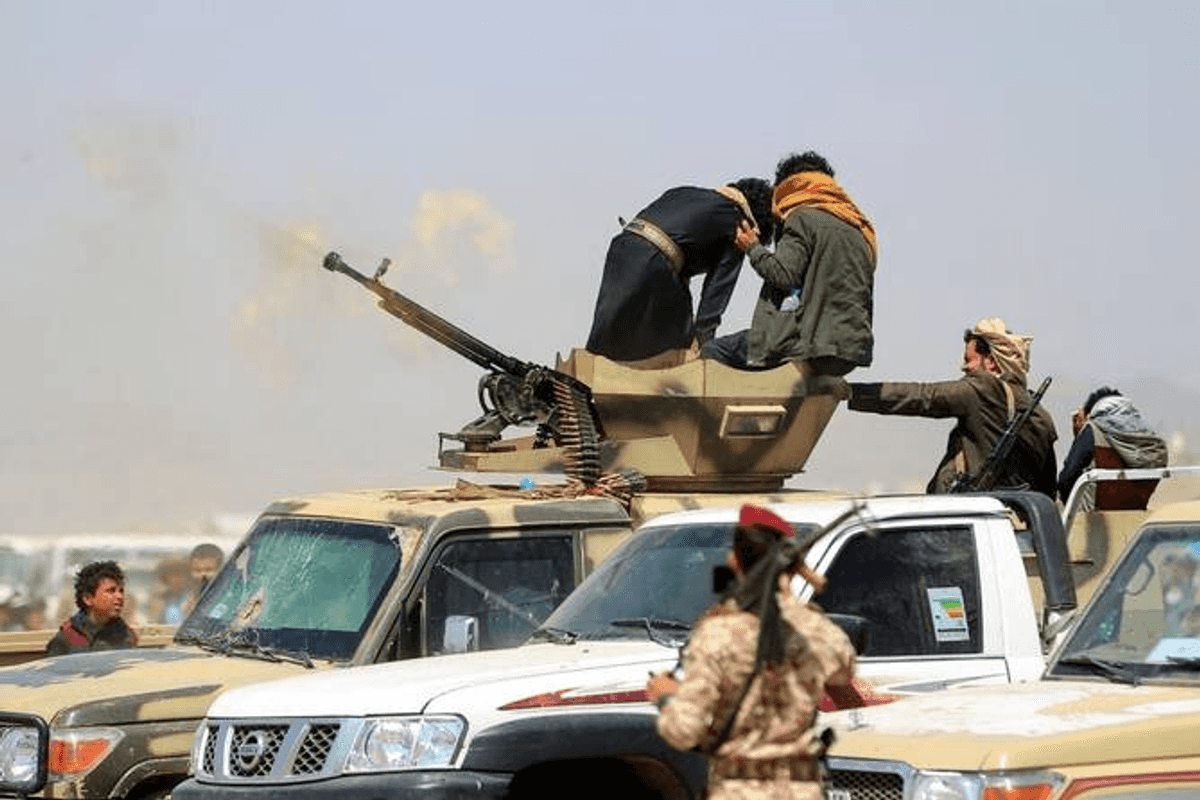
Saudi Arabia vowed on Tuesday to respond "firmly" to attacks by Yemen's Houthis, after the Iran-backed fighters wounded 13 people in the kingdom. The assault used ballistic missiles and drones and struck the cities of Khamis Mushait, Abha and Taif.
Why are the Houthis attacking Saudi Arabia?
The Houthis have fought Saudi-backed government forces since Yemen's civil war reignited in July, when the group declared a maritime blockade on Riyadh and began targeting its ships in the Red Sea. They seized control of Yemen's Red Sea coast and the Bab al-Mandab Strait last week, adding pressure to a route already strained by the wider US-Iran war in the Strait of Hormuz.
Saudi Arabia issued attack alerts on Tuesday for Mecca, the holy city's first of the Middle East war, along with Jeddah and Taif governorates, before quickly cancelling them. Saudi civil defense had earlier issued short-lived air-raid alerts in six regions.
The Houthis have also targeted the oil infrastructure of Saudi Arabia, the world's leading crude exporter, pushing global oil prices above the $100 threshold. A Houthi strike in western Yemen on Monday killed eight government soldiers, according to two military sources.
What happened in the latest Houthi attack on Saudi Arabia?
The group claimed a new large-scale attack using dozens of ballistic missiles and drones against King Khalid airbase in Khamis Mushait, in southern Saudi Arabia. A resident of Khamis Mushait told AFP he heard intense blasts that left fires burning for a long time. "Honestly, we couldn't sleep at all," he said.
The Riyadh-led coalition confirmed on Tuesday there had been missile and drone attacks the previous day on Khamis Mushait, Abha and Taif. It reported 13 civilians wounded and damage to seven houses and two vehicles.
Saudi Arabia responded with more than 50 strikes, as it had the day before, according to the Houthis. The United Nations Security Council was due to meet on Tuesday to discuss the Houthis' offensive, diplomatic sources said.
What has Saudi Arabia said it will do?
The coalition said it would deal with the attacks "firmly to protect the sovereignty of the Kingdom" and would take "all necessary operational measures" to deter what it called a "hostile and extremist" approach. Saudi Arabia has conducted dozens of airstrikes on Houthi-held areas but has so far failed to deter the group's lightning offensive.
Crown Prince Mohammed bin Salman, Saudi Arabia's de facto ruler, was expected to hold talks with Egypt's President Abdel Fattah al-Sisi on Tuesday. US media reported last week that President Donald Trump had rejected a personal request from the Saudi crown prince to intervene in the war.
Trump said on Saturday that the Houthis had called Washington and asked the US not to get involved. Hazem al-Assad, from the Houthis' politburo, said the "Yemeni response will continue and escalate" as long as Saudi Arabia persisted in its aggression against their people.
How is Iran connected to the wider regional war?
The renewed fighting in Yemen comes as the wider regional war remains at a stalemate, though Trump said on Monday he was open to holding talks with Iran. He wrote on his Truth Social network that Iran "wants to make a deal, quickly and badly," and that the US was open to deciding whether to engage.
Iran's top security chief, Mohsen Rezaei, responded on X that there would be "no negotiations" until Iran's conditions were met. Tehran has repeatedly listed demands including war reparations and the lifting of sanctions as preconditions for ending the war and its blockade of the Strait of Hormuz.
A proposed meeting between Gulf states and Iran over the future of Hormuz was postponed on Monday, with Tehran accusing Riyadh of using Yemen as a pretext to delay the talks. Qatar warned on Tuesday of dire consequences if the Bab al-Mandab Strait was closed, with foreign ministry official Ibrahim Al Hashmi calling such a closure "catastrophic for the entire world."
Tehran has long supported the Houthis, a member of its anti-Israel "axis of resistance," including with weapons and technology, but has denied any role in the current war.
What is the background to Yemen's civil war?
The Houthis seized Yemen's capital, Sanaa, in 2014 at the outset of the civil war, driving the government to Aden in the south. Saudi Arabia led a coalition to intervene on the government's side the following year, launching wave after wave of airstrikes as the conflict escalated into one of the world's worst humanitarian disasters.
The UN's migration agency said on Monday that the renewed fighting in the Arab world's poorest country had forced 93,864 people to flee their homes.




Comments
See what people are discussing