


News Desk
The News Desk provides timely and factual coverage of national and international events, with an emphasis on accuracy and clarity.
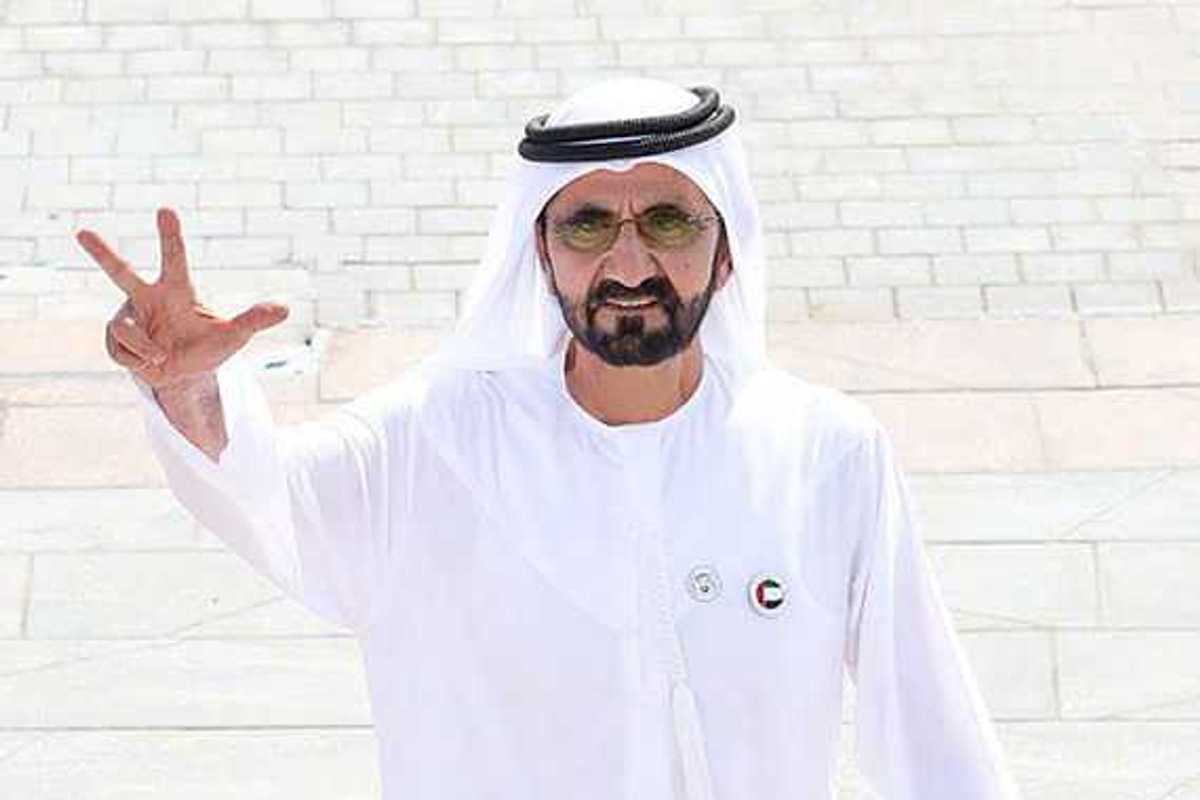
Sheikh Mohammed bin Rashid Al Maktoum, UAE Vice President and Ruler of Dubai, called for greater GCC unity in “A Letter to the People of the Gulf.”
Government of Dubai Media Office
Sheikh Mohammed bin Rashid Al Maktoum, UAE Vice President and Ruler of Dubai, called for greater GCC unity on Monday, Gulf News reported. In a letter to the people of the Gulf, he warned that divisive media narratives and narrow agendas must not undermine centuries of shared history and kinship.
Why is Sheikh Mohammed calling for GCC unity?
He says the Gulf’s shared history, geography, family ties and aspirations bind its people together. In his view, temporary disagreements and divisive narratives cannot erase centuries of neighborly relations. He wants closer cooperation, stronger institutions and better coordination, while each country keeps its own identity.
What is “A Letter to the People of the Gulf”?
The message is part of “The Letters,” a section of his book “Lessons from Life.” In it, Sheikh Mohammed highlighted the Gulf’s rise from modest coastal settlements to global economic centers. He said its greatest achievement was investing in people and preserving its identity, culture and values.
He described the region as one bound by common history, geography, family ties and aspirations. Its people built modern cities, strong institutions and thriving economies without losing their heritage, he said.
What did Sheikh Mohammed say about media divisions?
He cautioned against attempts to divide GCC societies through media platforms and narrow political or personal agendas. “We must not allow the arenas of geography, history and blood to unite us while the arenas of media divide us,” he said.
He stressed that temporary disagreements or divisive narratives cannot erase centuries of neighborly relations and family connections. He said the Gulf was brought together not by political agreements, but by generations who lived along its shores. He compared the Gulf to a great tree with many branches but a single origin, root and destiny.
Is he calling for a political union among GCC countries?
No. Sheikh Mohammed said his call was not for a political union. Nor did he urge countries to overlook their unique experiences and identities.
Instead, he advocated closer cooperation, stronger institutions, better coordination and constructive management of differences. He pointed to the UAE’s experience of uniting seven emirates as an example of what shared ambition and determination can achieve.
He argued that stronger regional cooperation could boost the Gulf’s position as a global center for trade, investment, education, technology and innovation.
What does unity mean in his message?
Genuine unity does not require countries to abandon their identities or become identical, he said. “Unity is not about opening borders, but about bringing hearts together,” he said.
He compared GCC nations to rivers flowing into a single sea. Their distinct identities, he said, can together create greater opportunities, prosperity and strength.
How does he see the Gulf’s future?
Sheikh Mohammed expressed unwavering optimism about the Gulf’s future. He also voiced confidence in the determination of its younger generations.
He hoped the Gulf would remain united in spirit and purpose, with its people proudly saying they are from the Gulf. He ended his message with a prayer for the GCC’s continued strength, glory and prosperity.




Comments
See what people are discussing