

SIFC facilitates approval of 435-km Machike-Thallian-Tarru Jabba white oil pipeline
Pakistan's SIFC has facilitated approval of the 435-km Machike-Thallian-Tarru Jabba white oil pipeline, creating a south-to-north fuel corridor to cut logistics costs

Business Desk
The Business Desk tracks economic trends, market movements, and business developments, offering analysis of both local and global financial news.
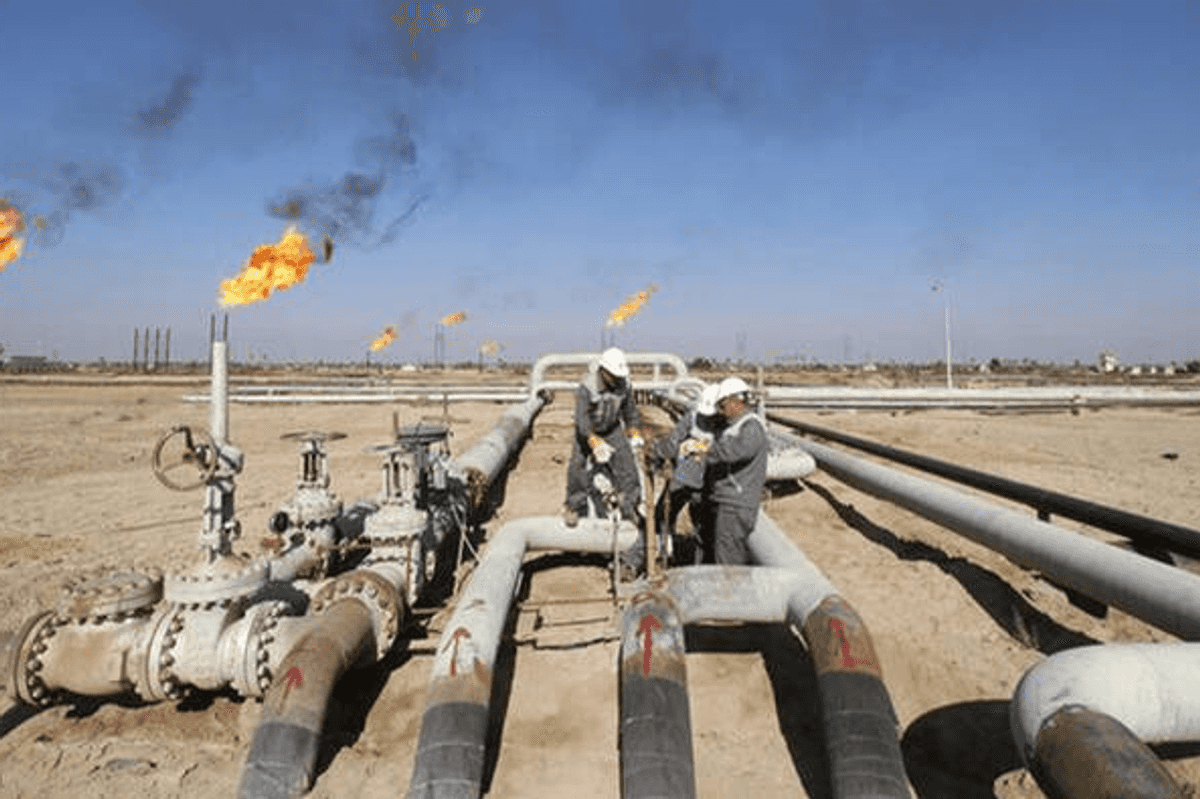
In this photo workers are pictured at a site of Sui Southern Gas, Pakistan shared on July 18, 2017.
Sui Southern Gas/File
Pakistan's Special Investment Facilitation Council (SIFC) has facilitated the approval of the Machike-Thallian-Tarru Jabba White Oil Pipeline, a 435-kilometer energy infrastructure project designed to strengthen fuel supply security, cut transportation costs and improve national connectivity.
What is the Machike-Thallian-Tarru Jabba white oil pipeline?
The Machike-Thallian-Tarru Jabba White Oil Pipeline is a 435-kilometer underground corridor connecting Punjab to Khyber Pakhtunkhwa, designed to transport refined petroleum products such as petrol and diesel. It will shift white oil transportation away from congested highways, reducing logistics costs, fuel losses and dependence on road tankers.
How did SIFC facilitate the white oil pipeline approval?
The 435-km white oil pipeline has been a priority project on SIFC's agenda since its early stages. A Memorandum of Understanding for the project was signed under SIFC's platform, cementing its role in coordinating international collaboration and drawing investment into Pakistan's energy sector. The council worked with relevant stakeholders to resolve regulatory hurdles and secure the approvals needed for the project to proceed.
What route does the white oil pipeline cover?
The pipeline runs from Machike, near Lahore in Punjab, through Thallian near Islamabad, and terminates at Tarru Jabba near Peshawar in Khyber Pakhtunkhwa. The south-to-north route creates a dedicated underground network for refined petroleum products, bypassing Pakistan's heavily congested road network.
What are the expected benefits of the pipeline project?
Upon completion, the pipeline is expected to improve fuel supply efficiency, lower logistics costs and reduce fuel losses during transit. It will also decrease heavy vehicle traffic on highways, cutting road accident risks and environmental hazards. SIFC said the project is expected to support job creation, modernize energy infrastructure and boost investor confidence in Pakistan.





Comments
See what people are discussing