

Sindh seeks judicial inquiry into Mir Raza Ali death, family pushes for JIT instead
Sindh government seeks a judicial inquiry into Mir Raza Ali's death, but the family wants a JIT instead of a commission.

News Desk
The News Desk provides timely and factual coverage of national and international events, with an emphasis on accuracy and clarity.
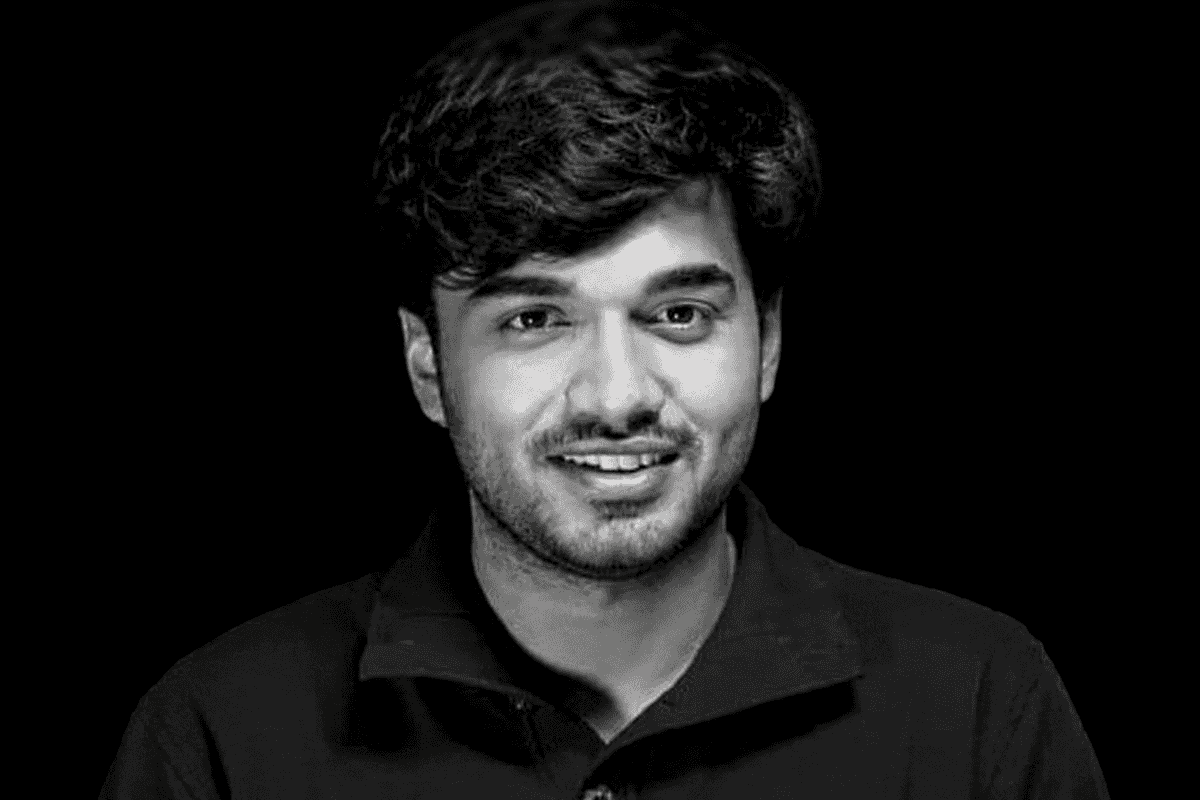
The Sindh government has decided to seek a judicial commission to investigate the death of young businessman Mir Raza Ali, whose family has disputed the circumstances of his death and alleged he was murdered.
Why is Sindh seeking a judicial inquiry into Mir Raza Ali's death?
The Sindh government wants an impartial, transparent probe into whether investigators handled Ali's case fairly and whether any officials were negligent or complicit in a cover-up. The commission would also flag investigative leads or evidence that may need further examination.
Ali's family lawyer, Jibran Nasir, said the family would approach the Sindh High Court on Monday morning to challenge the formation of the judicial commission and sought a JIT instead. Sindh Chief Minister Murad Ali Shah received a letter from Ali's family and considered its concerns "with compassion and the utmost seriousness," the chief minister's spokesperson said on Sunday.
"After carefully considering the concerns expressed by the family, the government of Sindh has decided to request the honorable Chief Justice of the Sindh High Court to establish a Judicial Commission to conduct an impartial and transparent inquiry," the spokesperson said. Ali, an IBA graduate and businessman, was found dead in Karachi's Gulistan-e-Jauhar area on July 29, a day after he went missing on July 28. His father has consistently maintained that his son was murdered and rejected suggestions that the death was a suicide.
What will the judicial commission investigate?
The proposed commission will examine whether the investigation was conducted fairly and in accordance with the law, and identify investigative leads or evidence that may require further examination. It will determine whether any police officer, medico-legal officer or other public official was responsible for negligence, dereliction of duty, professional misconduct, suppression or manipulation of evidence, or any unlawful act, omission or cover-up.
The commission may recommend further investigation, forensic analysis and appropriate legal or departmental action where necessary. It will exercise powers available under the Sindh Tribunals of Inquiry Ordinance, 1969, including powers similar to those of a civil court to summon witnesses, examine them under oath and require the production of documents and records.
All government departments and agencies have been directed to cooperate fully with the commission, while the Home Department will provide secretariat support. The commission will be asked to submit its findings and recommendations to the Sindh government within 30 days of its constitution, or within an extended period if necessary to ensure a complete and fair inquiry.
Why does the family want a JIT instead?
Ali's family lawyer, Jibran Nasir, said the family would approach the Sindh High Court on Monday morning to challenge the formation of the judicial commission. Nasir said he had previously written to the Sindh chief minister about concerns over the investigation and called for a joint investigation team, or JIT, to investigate the case instead.
The development comes as police continue to review the circumstances surrounding Ali's death. Sindh police recently issued their first formal statement on the case, saying an investigation team was examining medical reports, evidence and work carried out by an earlier investigation team.
According to the police spokesperson, some points in the reports require further clarification, and information is being sought from relevant institutions. The spokesperson said clarification of unclear points in chemical analysis reports could lead to important progress in the investigation, adding that the probe was continuing on the basis of available technical, digital, forensic and other reliable evidence.


Comments
See what people are discussing