

Pakistan Supreme Court restores women's inheritance rights in 71-year property case
Pakistan's Supreme Court ruled women's inheritance rights cannot be denied through oral gifts, fraud or family pressure, overturning three lower court verdicts

Aamir Abbasi
Editor, Islamabad
Aamir; a journalist with 15 years of experience, working in Newspaper, TV and Digital Media. Worked in Field, covered Big Legal Constitutional and Political Events in Pakistan since 2009 with Pakistan’s Top Media Organizations. Graduate of Quaid I Azam University Islamabad.
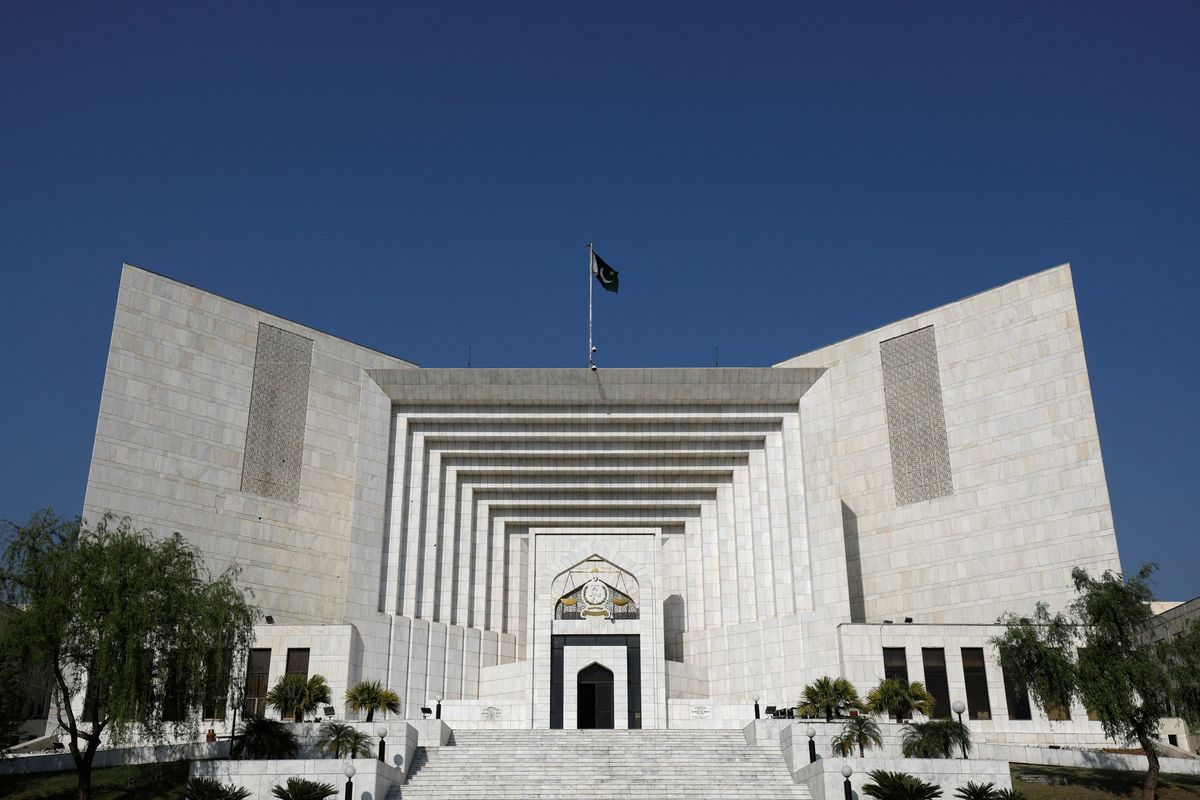
Pakistan's Supreme Court has restored the inheritance rights of a deceased man's mother and sisters, overturning three lower court rulings 71 years after they were deprived of their share of family property.
The court ruled that women's inheritance rights cannot be denied through oral gifts, forged documents or family pressure.
What did the Supreme Court rule on women's inheritance rights?
The court ruled that women cannot legally be denied their inheritance under Shariah or Pakistani law through oral gifts, fraud, forged documents or pressure from family members.
In a 13-page judgment authored by Justice Shahid Bilal Hassan, the bench said protecting women's inheritance rights is a shared responsibility.
It named civil society, religious scholars, revenue authorities and legal experts as parties who must work together to prevent violations.
How did the property dispute begin?
Two brothers transferred their late father's property into their own names after his death in 1955, claiming he had made an oral gift of the property to them before he died.
That transfer excluded the deceased man's mother and sisters from their lawful share of the inheritance. The case moved through three lower courts over several decades before reaching the Supreme Court.
Why did the Supreme Court set aside the lower court rulings?
The Supreme Court held that the trial court had wrongly treated the alleged oral gift as established proof, rather than requiring the brothers who benefited from the claim to prove it was valid.
It found that the rulings of the trial court, the appellate court and the high court were contrary to both the facts and the law, and set all three aside.
The high court had earlier ruled that the oral gift stood because it went unchallenged for decades, but the Supreme Court said the passage of time did not remove the obligation to prove the gift was genuine.
What evidence weakened the oral gift claim?
Official records cited in the judgment showed that the mother and sisters kept receiving a share of the land's income for several years after the father died in 1955.
The court said this indicated they had remained unaware of the alleged oral gift at the time. That gap, the judgment noted, further undermined the claim that the property had been lawfully transferred to the brothers.
What did the court say about women's inheritance rights going forward?
The Supreme Court said inheritance is both a Shariah and a legal right of women, and that denying them their lawful share is unconstitutional and contrary to Islamic principles.
It said the judiciary must stay vigilant in protecting those rights against oral gifts, fraud and family pressure. The ruling directs that the mother and sisters now receive their rightful share of the family property.





Comments
See what people are discussing