

SC says it no longer has jurisdiction over NAB cases, transfers appeals to FCC
Pakistan's Supreme Court rules it lacks jurisdiction over NAB cases, ordering pending appeals, including Imran Khan's, transferred to the Federal Constitutional Court

Aamir Abbasi
Editor, Islamabad
Aamir; a journalist with 15 years of experience, working in Newspaper, TV and Digital Media. Worked in Field, covered Big Legal Constitutional and Political Events in Pakistan since 2009 with Pakistan’s Top Media Organizations. Graduate of Quaid I Azam University Islamabad.
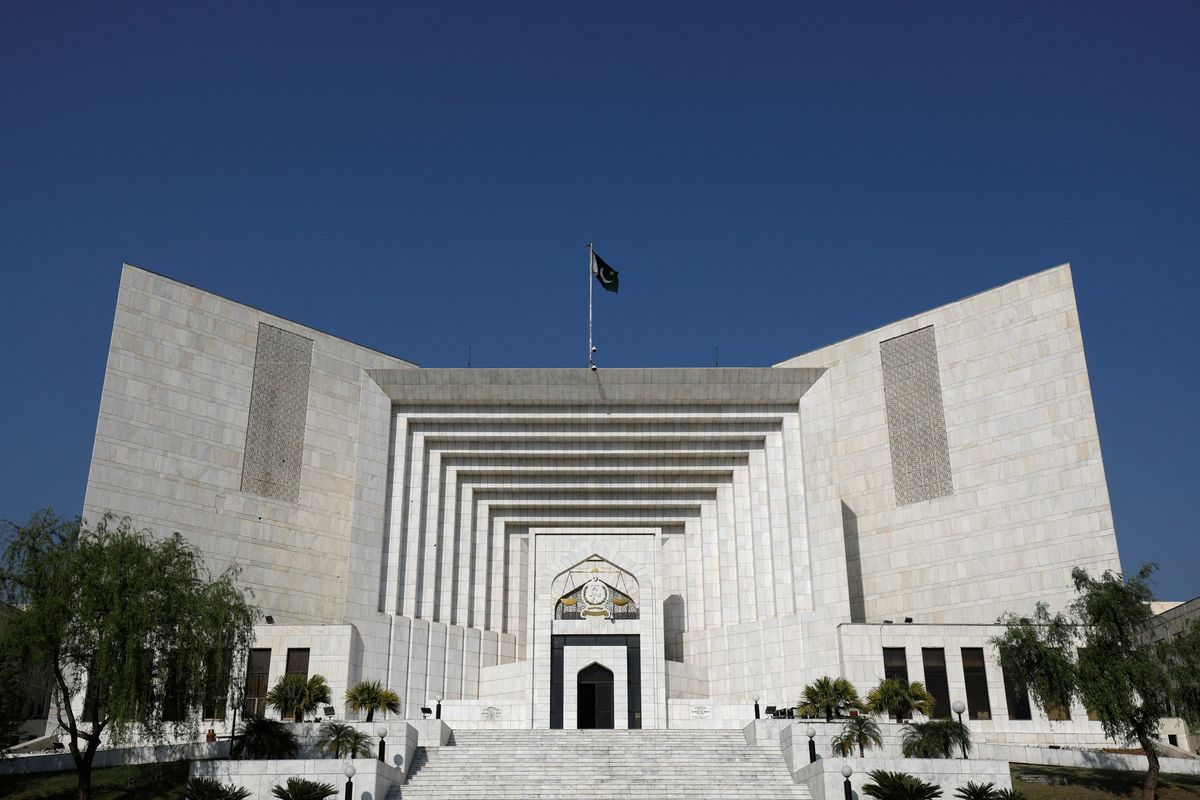
Pakistan's Supreme Court ruled Thursday that it no longer holds jurisdiction over NAB cases, ordering all pending National Accountability Bureau appeals transferred to the Federal Constitutional Court (FCC).
A three-member bench headed by Justice Muhammad Ali Mazhar issued the ruling after reviewing Articles 175A and 175F of the Constitution alongside Section 32 of the NAB law.
Why did the Supreme Court give up jurisdiction over NAB cases?
The bench examined Articles 175A and 175F of the Constitution together with Section 32 of the NAB law. It found that recent legal amendments removed the Supreme Court's authority over NAB matters. As a result, the court ordered all pending appeals transferred to the Constitutional Court for adjudication.
What changed under Pakistan's NAB law amendments?
Pakistan's federal government amended the NAB law in March, designating the Constitutional Court as the final appellate forum for NAB cases. The amendment shifted authority for hearing appeals in accountability cases away from the Supreme Court. Thursday's ruling formally confirmed that this shift applies to all pending cases.
How does the ruling affect Imran Khan's case?
The decision is expected to affect Pakistan Tehreek-e-Insaf founder and former Prime Minister Imran Khan, who sought suspension of his sentence in the £190 million corruption case through the Supreme Court. Khan had filed an appeal seeking suspension, while his legal team separately submitted a chamber appeal after the court registrar raised objections to the original petition. His case will now move to the Constitutional Court along with other pending NAB appeals.
What happens next in NAB appeals?
The Supreme Court said a detailed judgment would be issued later, explaining the reasoning behind Thursday's short order. Until then, all NAB appeals previously pending before the apex court stand transferred to the Constitutional Court. The Constitutional Court will now take up these cases, including Khan's, for further proceedings.





Comments
See what people are discussing