

Trump says US and Israel to hold off on Iran strikes
Trump says the US and Israel will hold off on new Iran strikes if a deal to end the months-long war is reached rapidly, easing fears of escalation

News Desk
The News Desk provides timely and factual coverage of national and international events, with an emphasis on accuracy and clarity.
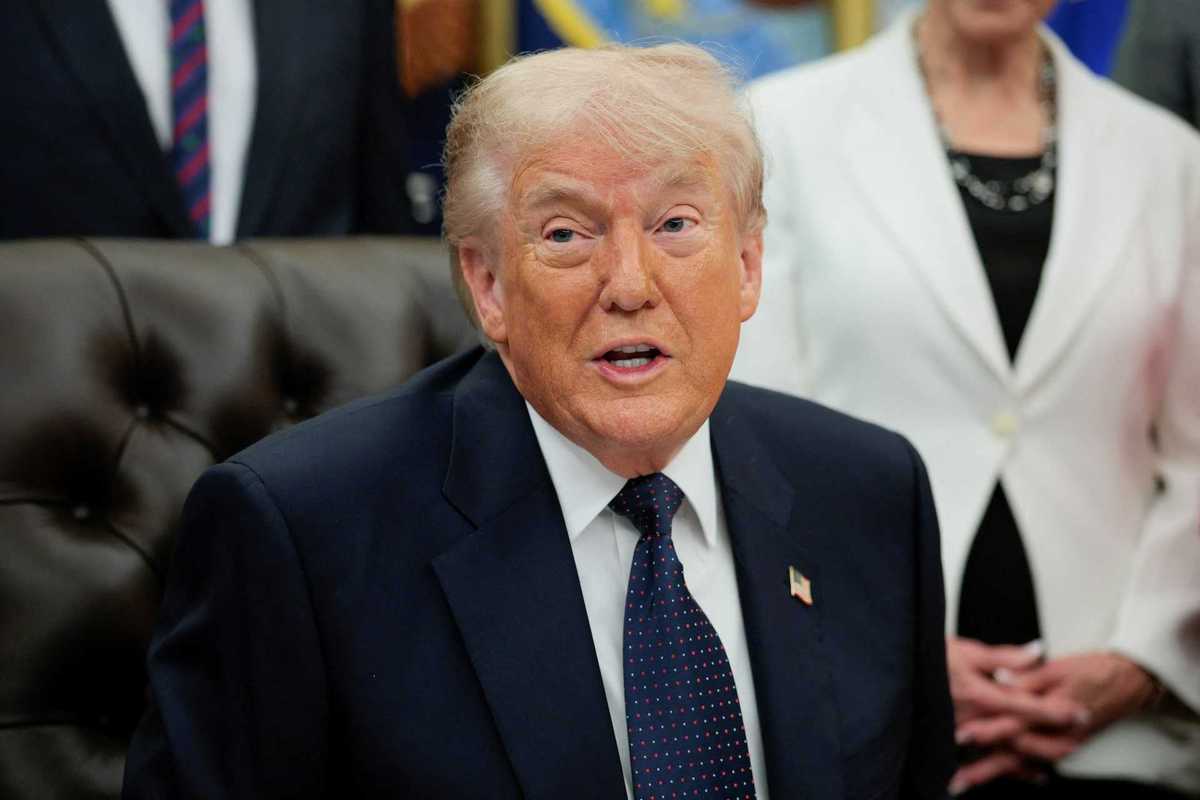
President Donald Trump said Saturday that the United States and Israel would hold off on new strikes against Iran, provided a deal to end the five-month war is reached "rapidly." He made the announcement on Truth Social, citing requests from Tehran and other Middle Eastern countries. The reprieve comes after weeks of rising fears that the conflict could widen further.
Why did Trump agree to hold off on Iran strikes?
Trump said he agreed to cancel a planned attack after Iran and other Middle Eastern countries asked him to pause. He described the move as serving "the future benefit of the WORLD" and the survival of "a successful and prosperous Iran." The pause is conditional on quickly reaching a deal, and Trump said the US remained "locked and loaded and ready to go" if talks fail.
What conditions has Trump set for a deal with Iran?
Trump said any agreement must include the "Immediate, Complete and Total OPENING OF THE HORMUZ STRAIT" and an end to Iran's nuclear threat. He said Israel had joined him in this commitment and urged all sides to "get to work" and finish the deal. The push comes just three months before US midterm elections that could challenge Trump's Republican Party.
A previous ceasefire with similar terms, including reopening the Strait of Hormuz, had already collapsed once. Iran tightened its grip on the waterway afterward, and both countries resumed strikes on each other in recent weeks.
Why had fears of new Iran strikes grown?
Trump had threatened to hit Iran "very hard" and was reportedly weighing renewed heavy attacks, including on energy infrastructure. US embassies across the Middle East warned citizens Saturday of "unforeseen escalation" and urged them to be ready to leave. CBS News reported that the US and Israel were planning joint strikes, possibly through the weekend, with oil refineries and power plants among likely targets.
Saudi Crown Prince Mohammed bin Salman called Trump on Saturday to raise concerns about the strike plans, Axios reported, citing unnamed US officials. One source told Axios the crown prince had urged Trump to de-escalate and hold off on the strikes. The White House did not immediately respond to a request for comment on the report.
Secretary of State Marco Rubio told Fox News earlier in the week that the US had "wiped out" much of Iran's defenses. He said Tehran now seemed "willing and in some cases eager" to strike a deal on denuclearization and the straits, though he cautioned Iran could "still do damage."
What is happening at the Strait of Hormuz?
Iran has effectively controlled navigation through Hormuz since the war began on February 28, requiring vessels to obtain permission and pay transit fees. Maritime tracking firm Kpler said Friday that traffic through the strait has dropped sharply. Global oil prices, which had eased during the earlier ceasefire, have risen again as strikes resumed.
Two recent incidents added to the tension. A drone struck a US-owned gas vessel moored in an Egyptian port on Wednesday, sparking a fire that Egypt is still investigating. A British maritime agency also reported that an "unknown projectile" struck a tanker off the coast of Oman on Saturday.
What is Iran's stance on the Bab el-Mandeb Strait?
On the Bab el-Mandeb Strait, another key route for Saudi oil exports, Iran-backed Houthi rebels in Yemen denied on Saturday that they were seeking to charge ships for passage. The narrow waterway links the Red Sea to the Indian Ocean and, via the Suez Canal, the Mediterranean.


Comments
See what people are discussing