

Trump reimposes Iran blockade, threatens strikes on power plants and bridges
Trump reimposed the U.S. naval blockade on Iran and threatened to strike power plants and bridges next week unless Tehran returns to talks

News Desk
The News Desk provides timely and factual coverage of national and international events, with an emphasis on accuracy and clarity.
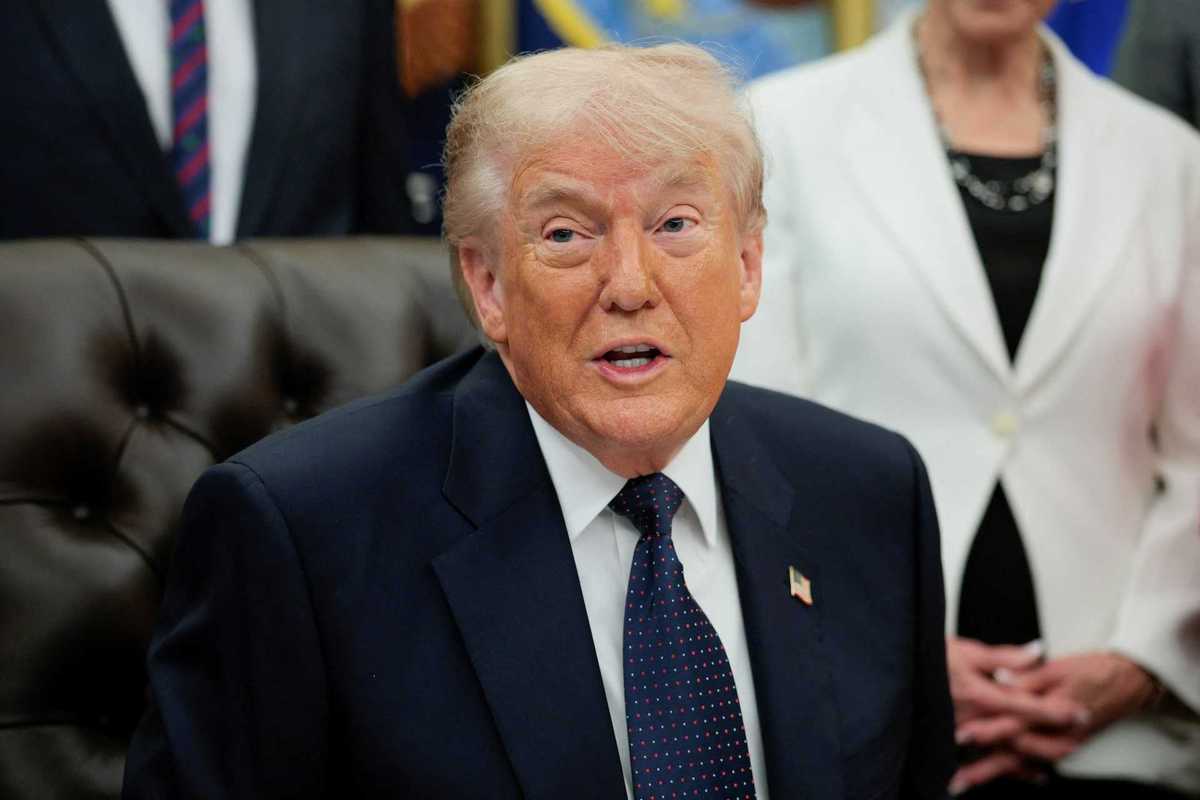
U.S. President Donald Trump said Tuesday the United States had reimposed a naval blockade on Iranian ports and threatened to strike power plants and bridges next week unless Tehran returns to negotiations.
The announcement marked the latest escalation in renewed hostilities between the two countries, according to statements from both governments.
Why did Trump reimpose the blockade on Iran?
Trump ordered the blockade back into effect after Iran closed the Strait of Hormuz and attacked commercial ships following the collapse of a truce reached in June. The U.S. military also launched fresh strikes aimed at weakening Iranian capabilities used against shipping in the strait. Washington says the pressure is meant to force Tehran back to the negotiating table.
What did Trump say about striking power plants and bridges?
In an interview with Fox News, Trump said Iran's energy infrastructure could be targeted next. "I'll save the energy targets for last, but ultimately we'll hit energy targets," he said. He added that power plants and bridges would be struck next week unless Iran agreed to negotiate, a threat that raises questions under the 1949 Geneva Conventions, which bar attacks on sites considered essential for civilians.
Trump said U.S. negotiators remained in contact with Iranian counterparts and warned Tehran to reach an agreement soon.
How is Iran responding to the renewed U.S. strikes?
Iran's army said early Wednesday it launched drone attacks on U.S. positions at Jordan's Azraq base, a claim the Pentagon did not immediately address. Iran's Islamic Revolutionary Guard Corps said it also targeted weapons and storage facilities in Bahrain and Kuwait.
Iranian Deputy Foreign Minister Kazem Gharibabadi rejected the idea that military and economic pressure would change Tehran's position. "If the U.S. thinks that by tightening its measures against us, its military actions and its economic blockade, we will return to negotiations, it is making a mistake," he told state television. Iranian state media said U.S. projectiles struck areas near Bandar Abbas, Sirik and Qeshm Island in southern Iran on Tuesday.
What other attacks hit the Gulf this week?
Kuwait's army said its air defenses confronted Iranian drone attacks, and state media reported a resulting fire had been brought under control. Bahrain, home to a U.S. naval base, reported repelling a separate Iranian aerial attack. Reuters said it could not immediately verify the Kuwaiti reports.
The U.S. said Iran attacked seven commercial ships over the previous week, leaving nearly a dozen crew members dead, missing or injured. The United Arab Emirates said one Indian crew member was killed and eight others wounded when Iranian cruise missiles struck two Emirati oil tankers in the strait. Iran's Revolutionary Guard said it hit and disabled two "offending" supertankers after they ignored repeated warnings, without naming the vessels.
How is the conflict affecting oil prices and shipping?
Before the war began in February, roughly one-fifth of global oil and gas shipments passed daily through the Strait of Hormuz. Trump had proposed a 20% fee on shipping through the strait on Monday, drawing criticism from the United Nations shipping agency, before dropping the idea Tuesday in favor of unspecified investment deals with Gulf states.
Benchmark Brent crude has risen 15% over the past seven days to $85 a barrel, its highest level since mid-June. The blockade on vessels traveling to and from Iranian ports took effect again at 2000 GMT Tuesday, and Trump said the strait remained open to all shipping except Iranian traffic. The U.S. military said more than 20 Navy warships and hundreds of aircraft were operating across the region.
What is the broader context of the U.S.-Iran war?
The war began in February with joint U.S.-Israeli strikes on Iran and has since spread to involve other Gulf states as Iran retaliated against regional neighbors. The renewed fighting has strained a truce reached last month, and the International Monetary Fund warned that extending the conflict beyond mid-July could pose serious risks, particularly since many countries have already drawn down the strategic oil reserves used to cushion energy price shocks.
The clashes have also coincided with rising U.S. gasoline prices ahead of congressional elections in November. Washington maintains Iran must never obtain a nuclear weapon, an accusation Tehran denies, while Iran has called for sanctions to be lifted and its control over the strait recognized. Trump said some countries had expressed interest in investing in the United States instead of paying a transit fee, though he did not name them or confirm any specific commitments.





Comments
See what people are discussing