

Trump rejects Iran's proposal to reopen Strait of Hormuz
'I reject their proposal,' Trump told reporters, rejecting Iran's plan to reopen the Strait of Hormuz within seven days and end regional fighting

News Desk
The News Desk provides timely and factual coverage of national and international events, with an emphasis on accuracy and clarity.
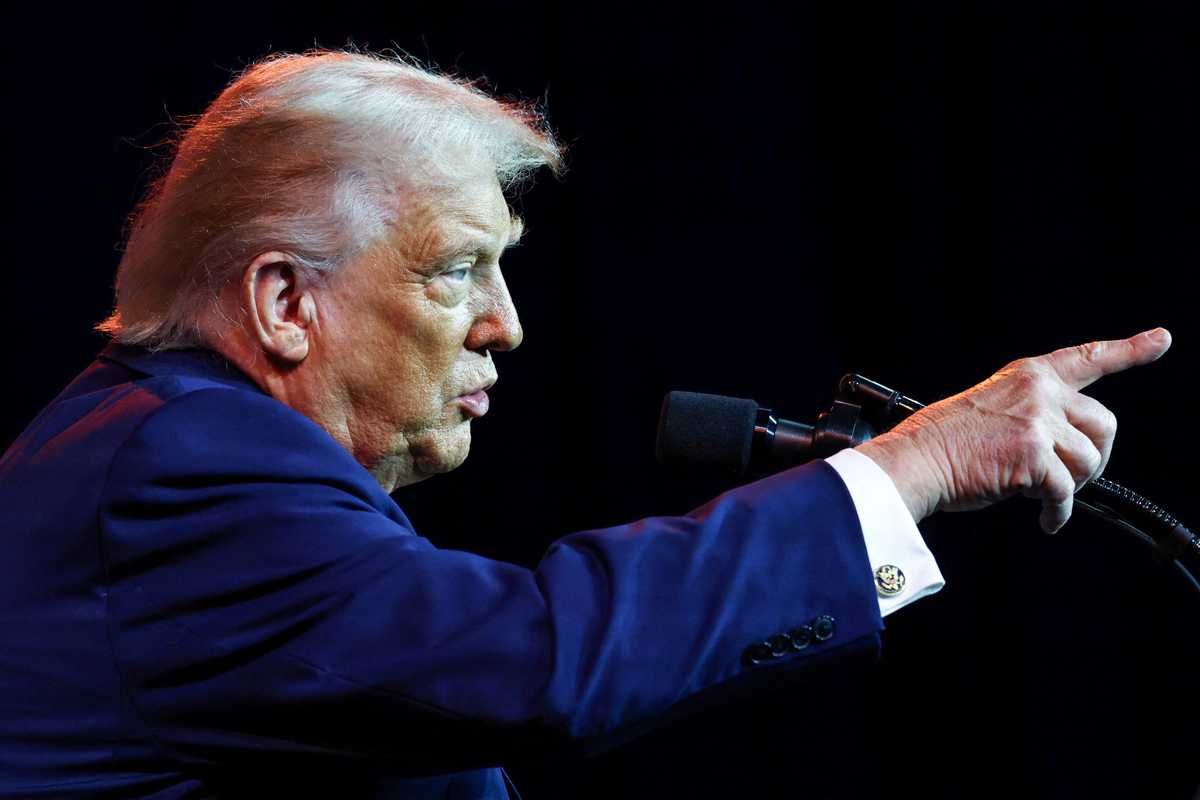
U.S. President Donald Trump said on Saturday he had rejected an Iranian proposal aimed at reopening the strategic Strait of Hormuz within seven days and ending fighting in the Middle East.
Tehran was awaiting Washington's response to its latest diplomatic initiative.
Why did Trump reject Iran's Strait of Hormuz proposal?
Trump said Iran wanted the waterway reopened immediately because its economy was suffering, and he was not willing to accept those terms. "I reject their proposal," he told reporters outside the White House, confirming reports that had circulated earlier in the day.
What does Iran's proposal for the Strait of Hormuz include?
The proposal, conveyed to Washington through Qatar, calls for the Strait of Hormuz to reopen within seven days if the United States meets a series of conditions set by Tehran. Iranian Foreign Minister Abbas Araghchi said the plan would also pave the way for renewed nuclear negotiations.
Araghchi said Washington would need to take initial steps within the first four or five days, allowing the waterway to reopen on the sixth day. Talks on a broader agreement would begin the following day, he said, adding that the conditions were based on a memorandum of understanding signed in Islamabad in June.
Iran's proposal also includes a halt to hostilities across the Middle East, including in Lebanon, according to Araghchi. Tehran wants the release of frozen Iranian assets, the lifting of sanctions on Iranian oil, and an end to the U.S. naval blockade of Iranian ports.
Why is the Strait of Hormuz central to the conflict?
The plan came as the conflict between Washington and Tehran entered its seventh month. The Strait of Hormuz has remained at the center of efforts to resolve the crisis because of its importance to global energy and shipping, and disruptions around the waterway have strained energy markets and raised concerns over oil supplies.
Iran has said ships must obtain authorization to pass through the waterway, citing security and sovereignty concerns. The United States has carried out military strikes against Iranian coastal areas in response to attacks and disruptions to shipping.
Has Iran said it will keep negotiating with the US?
Iranian President Masoud Pezeshkian returned to Tehran on Saturday after attending the U.N. General Assembly in New York. He said Iran had not abandoned negotiations but had lost trust in Washington because of past experiences, adding that talks could begin immediately if Washington accepted the proposal.
Earlier in the week, Araghchi held talks with U.S. envoy Steve Witkoff through diplomatic channels. Tehran has said it remains open to negotiations but wants guarantees against renewed U.S. military action, and Pezeshkian said the plan had been coordinated with Iran's supreme leader.
The Wall Street Journal had earlier reported that Trump rejected the proposal, citing U.S. officials familiar with the matter. Trump later confirmed the rejection publicly.




Comments
See what people are discussing