

Trump to boast economic wins and defend ongoing Iran war in high-stakes UN General Assembly address
US President Donald Trump is set to address the 81st United Nations General Assembly in New York, where he is expected to tout his economic record and international peace efforts while defending the military campaign against Iran and navigating friction over an Arctic security deal in Greenland

News Desk
The News Desk provides timely and factual coverage of national and international events, with an emphasis on accuracy and clarity.
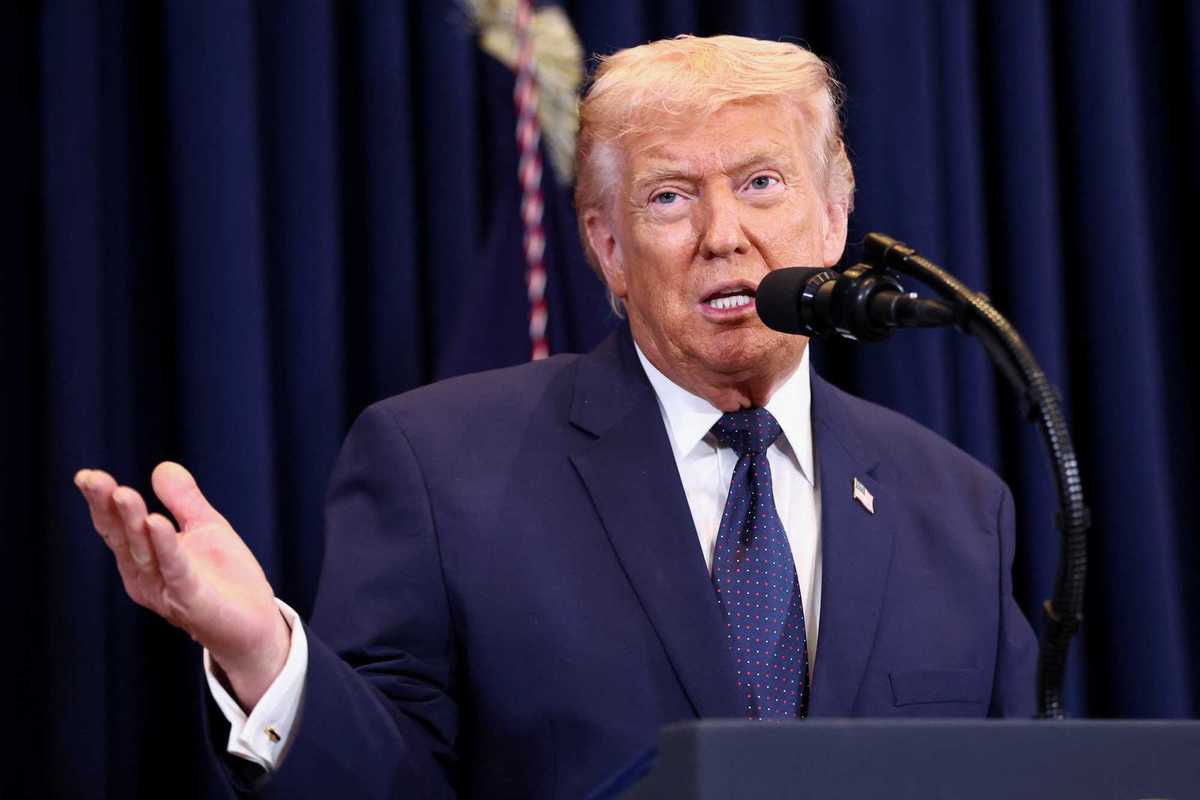
U.S. President Donald Trump is scheduled to deliver a keynote address to the United Nations General Assembly on Tuesday, September 22, 2026, using the international stage to tout domestic economic gains and defend his administration's foreign policy record—including the stalled seven-month war against Iran.
How will Trump frame the Iran war and his broader peace record?
The address comes as the military campaign against Iran remains deadlocked, with Tehran's blockade of the strategic Strait of Hormuz disrupting global energy trade and driving economic volatility. Trump is expected to justify the military operation while simultaneously highlighting his administration's diplomatic initiatives in the Middle East, including the expansion of the Abraham Accords and peace frameworks surrounding the Gaza conflict.
According to international foreign policy analysts, world leaders anticipate a stark contrast between Trump’s self-proclaimed status as a global peacemaker and his defense of ongoing U.S. military actions. Daniel Forti, UN affairs expert at the International Crisis Group, noted that Trump’s remarks will test his standing among foreign delegates facing energy and supply chain fallout from the Gulf conflict.
What key side meetings and Arctic security deals dominate the UN summit?
On the sidelines of the UN High-Level Week, Trump is scheduled to sign a security agreement securing permanent U.S. military access in Greenland following months-long negotiations with Denmark and local authorities.
The president will also conduct bilateral meetings with international counterparts, including Britain's Prime Minister Andy Burnham, Ukrainian President Volodymyr Zelensky, Japanese Prime Minister Sanae Takaichi, and Venezuela's interim leader Delcy Rodríguez—who assumed office following the capture of Nicolás Maduro by US forces in January.
Tensions surrounding host-nation arrangements have also lingered following last year's General Assembly session, when technical glitches with escalators and teleprompters drew public criticism from the White House. UN officials confirmed that specialized logistics arrangements and dedicated teleprompter facilities have been established for the U.S. delegation.
The day's proceedings will open with remarks from UN Secretary-General António Guterres focusing on global artificial intelligence governance and international conflicts, followed by Brazilian President Luiz Inácio Lula da Silva, who warned against external interference in Brazil's upcoming general elections. Washington's recent $725 million contribution toward its UN dues ensured the preservation of U.S. voting privileges ahead of the gathering.



Comments
See what people are discussing