

Trump says US 'taking over' Hormuz as Iran fighting flares
Trump claims the US is taking over the Strait of Hormuz and will be paid for it, as Iran rejects any American role in the waterway.

News Desk
The News Desk provides timely and factual coverage of national and international events, with an emphasis on accuracy and clarity.
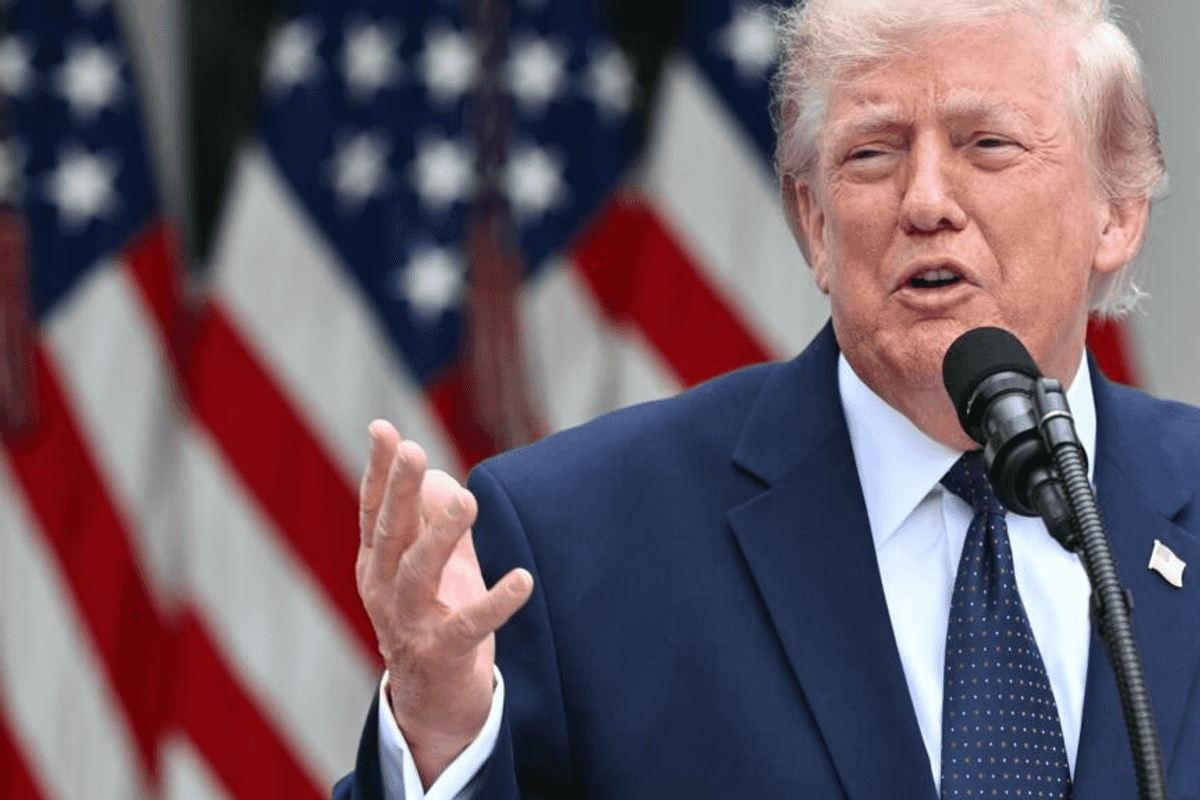
The United States is "taking over" the Strait of Hormuz and will be paid for protecting it, President Donald Trump declared on Monday, as Washington and Tehran once again clashed over the vital waterway. Iran's military command said it would not allow the U.S. to interfere in managing the strait, and warned Gulf neighbors against cooperating with Washington.
What did Trump say about the Strait of Hormuz?
Trump said the U.S. would "become the guardian" of Hormuz and get paid for the role, calling the waterway's passage a matter Iran no longer controls. He made the remarks in an interview with Fox, adding that Iranian negotiators had "nothing" to bargain with in ongoing talks.
Why are the U.S. and Iran fighting over Hormuz now?
The strait was not a flashpoint before the United States and Israel began their war with Iran in February, and passage through it was free. Tehran later blocked the waterway and now treats it as key leverage over Washington in the wider conflict.
The competing claims came as both sides traded attacks of a scale unseen since an April ceasefire. The U.S. military said it struck dozens of targets on Monday, while Iran's Revolutionary Guards announced retaliatory strikes on Bahrain, Jordan, Kuwait and Oman.
How has Iran responded to the U.S. claims over Hormuz?
The spokesman for Iran's Khatam Al-Anbiya military command said Tehran would under no circumstances allow the United States to interfere in managing the strategic waterway. Guards spokesman Hossein Mohebi accused the U.S. of endangering global oil and gas supplies by interfering in the strait and said it must be held accountable, while insisting on Iran's sovereignty over Hormuz.
Iran's Guards maintain the strait is closed, while the United States says it remains open to maritime traffic and is not under Iranian control.
What is the status of U.S.-Iran ceasefire talks?
Despite declaring the ceasefire over last week, Trump said negotiations toward a permanent settlement would continue. He told Fox there were hours of talks on Sunday, but accused Iranian negotiators of reversing positions they had already agreed to.
Iran's foreign ministry spokesman Esmaeil Baqaei said the June memorandum of understanding underpinning the negotiations was in crisis. He said Iran would abandon its obligations under the deal if the U.S. did the same, though Tehran was continuing talks with mediators from Qatar, Pakistan and Oman to prevent further escalation.
How has the region responded to the escalation?
Pakistan, a key intermediary in the negotiations, expressed deep concern over the escalation in regional tensions, according to its foreign office. Iran's foreign ministry said the U.S. attacks had brought back insecurity to the Strait of Hormuz and undermined efforts to establish peace in the region.
Analyst Bader Al-Saif of Chatham House said the escalating attacks would only delay an eventual settlement, since both sides want to end the standoff on their own terms and are struggling to do so.
What attacks have been reported across the Gulf?
Iranian state media reported deaths from the latest U.S. strikes, which it said hit large areas of southern and western Iran. An AFP tally of Iranian announcements put the death toll in Iran since strikes resumed on Wednesday at 23.
Iran's Revolutionary Guards said they struck U.S. military targets and bases in Jordan, Bahrain and Kuwait on Monday, according to state media. Air raid alerts sounded in Bahrain, Kuwait's army said it intercepted hostile aerial targets, and Jordan's army said it intercepted four Iranian missiles.
Bahrain's military accused Iran of launching missile and drone attacks that targeted civilians, saying it had shot down a number of Iranian projectiles on Monday morning. Iran insists it only targets U.S. interests in the Gulf, but its military command spokesman said any Gulf country's cooperation with the United States would be considered an act of war.




Comments
See what people are discussing