

Two Basij members killed in Mashhad attack days after Khamenei's burial
Two Basij paramilitary members were killed in Mashhad, where Khamenei was buried, as Iran and the US trade accusations over their shattered ceasefire

News Desk
The News Desk provides timely and factual coverage of national and international events, with an emphasis on accuracy and clarity.
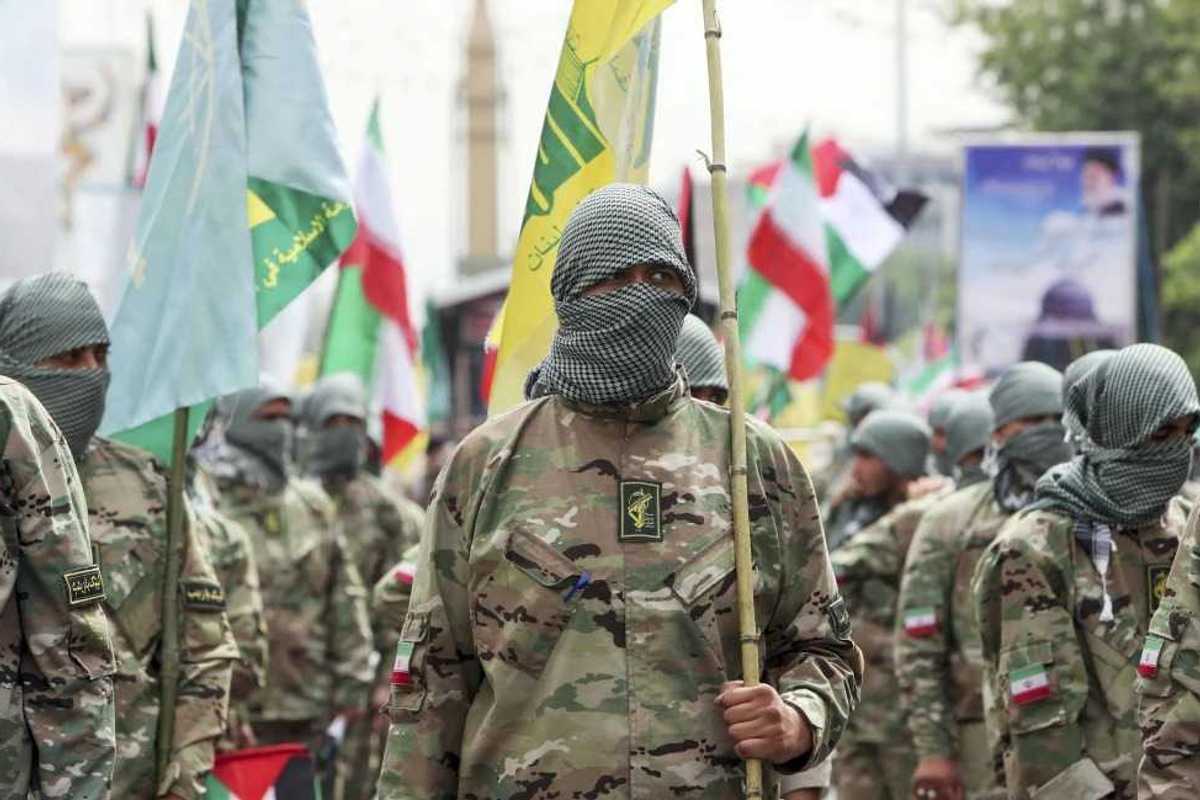
A member of Iran's paramilitary Basij force at a rally in Tehran.
Courtesy: NBC News
Two members of Iran's Basij paramilitary force were killed in an attack in Mashhad, Iran's Tasnim news agency reported on Saturday. The incident occurred in the northeastern city where slain supreme leader Ali Khamenei was buried just days earlier, approximately 15 kilometers from the shrine of Imam Reza.
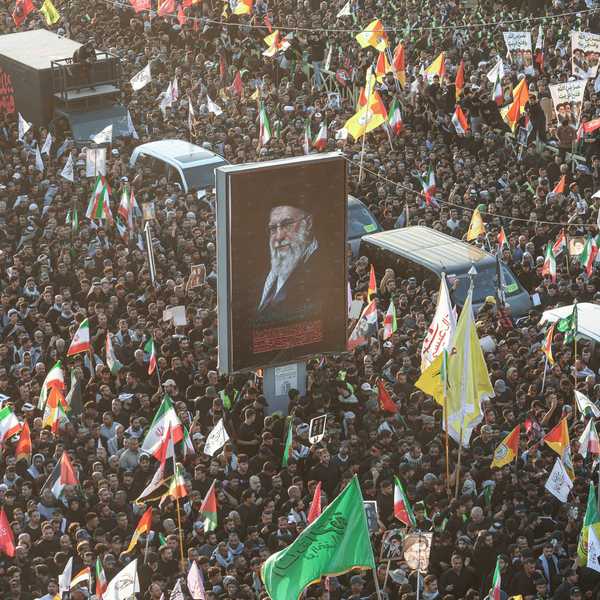
Khamenei was killed in US-Israeli strikes on February 28, at the start of the Middle East war. His burial at the shrine of Imam Reza in Mashhad took place on Thursday, drawing millions of mourners and representatives from dozens of countries to the city where the latest attack now occurred.
What happened in the Mashhad attack on Basij members?
The two Basij members were killed while patrolling in Mashhad, according to Tasnim. The Basij is a paramilitary force affiliated with Iran's Revolutionary Guards, the ideological arm of the Iranian military. A pedestrian was also wounded in the attack and taken to the hospital.
Tasnim did not specify the exact date of the incident or the identity of the attackers, but said those responsible "will be punished." The report gave no further details on the method of attack or how many assailants were involved. The incident comes at a moment of heightened tensions across Iran following the resumption of hostilities with the United States this week.
How does the Mashhad attack fit into the broader Iran-US conflict?
Iran and the United States exchanged their most intense strikes since signing a memorandum of understanding last month, when hostilities resumed this week. That agreement had formalized a ceasefire reached in April, but both sides have since accused the other of violating its terms.
US President Donald Trump declared the ceasefire over at the NATO summit in Turkey, while simultaneously agreeing to continue negotiations with Tehran.
Iranian Foreign Minister Abbas Araghchi pushed back on Saturday, insisting Tehran had kept its word under the MoU. He accused the US Treasury Secretary of violating Paragraph 9 of the agreement, which commits Iran to maintaining the current status of its nuclear program while the US agrees not to impose new sanctions or deploy additional forces in the region. Araghchi said compliance must be mutual.



Comments
See what people are discussing