


News Desk
The News Desk provides timely and factual coverage of national and international events, with an emphasis on accuracy and clarity.
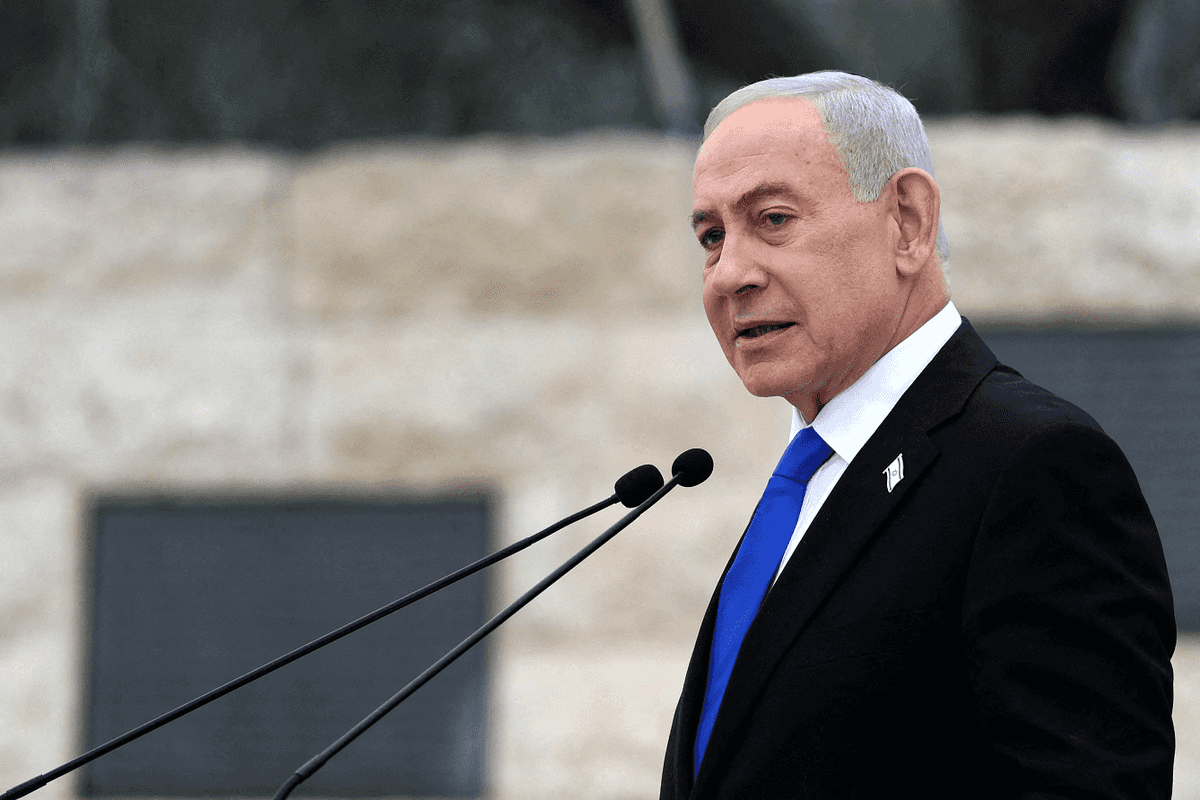
Israeli Prime Minister Benjamin Netanyahu.
Reuters/File
The United Arab Emirates has denied that Israeli Prime Minister Benjamin Netanyahu made a secret visit to the Gulf state, or that any Israeli military delegation was received there.
The denial, carried by state news agency WAM, came after the Israeli Prime Minister's Office claimed Netanyahu had travelled to the UAE during the conflict with Iran.
Did Netanyahu secretly visit the UAE?
Israel's Prime Minister's Office said Netanyahu visited the UAE during the Iran conflict and held talks with UAE President Sheikh Mohammed bin Zayed Al Nahyan.
الإمارات تنفي ما يتم تداوله بشأن زيارة رئيس الوزراء الإسرائيلي أو استقبال وفد عسكري إسرائيلي pic.twitter.com/rl5XSzX2RG
— MoFA وزارة الخارجية (@mofauae) May 13, 2026
The UAE foreign ministry flatly rejected this, calling the claims "entirely unfounded." It said any visit or official engagement would only be confirmed through relevant UAE authorities.
What did the UAE say about the secret visit reports?
The UAE said its ties with Israel operate openly under the Abraham Accords, the U.S.-brokered normalization agreement signed in 2020. Relations are not built on "non-transparent or unofficial arrangements," the ministry said. It added that claims of undisclosed visits or secret understandings were baseless unless officially announced.
The foreign ministry also called on media organizations to exercise accuracy and professionalism. It warned against circulating unverified reports and what it described as misleading political narratives.
What are the Abraham Accords and why do they matter here?
The Abraham Accords, signed in 2020, normalized relations between Israel and the UAE under U.S. mediation. The UAE has consistently presented the agreement as a framework for transparent, formal engagement with Israel.
By invoking the Accords in its denial, Abu Dhabi signaled that any legitimate diplomacy would be conducted publicly, not through back channels.
How did the Iran conflict affect the UAE?
During the Iran-Israel conflict, Iranian retaliatory strikes hit civilian infrastructure and energy facilities in the UAE more heavily than in several neighboring countries. The UAE has infrastructure allowing some oil exports to bypass the Strait of Hormuz, a critical global shipping route vulnerable to disruption during regional conflicts.
Prolonged instability, however, still threatens its standing as a secure commercial and financial hub in the Gulf.
The UAE is among Washington's closest Arab allies and a major regional financial and business center. It has pursued an increasingly assertive foreign policy across the Middle East and Africa in recent years.




Comments
See what people are discussing