


News Desk
The News Desk provides timely and factual coverage of national and international events, with an emphasis on accuracy and clarity.
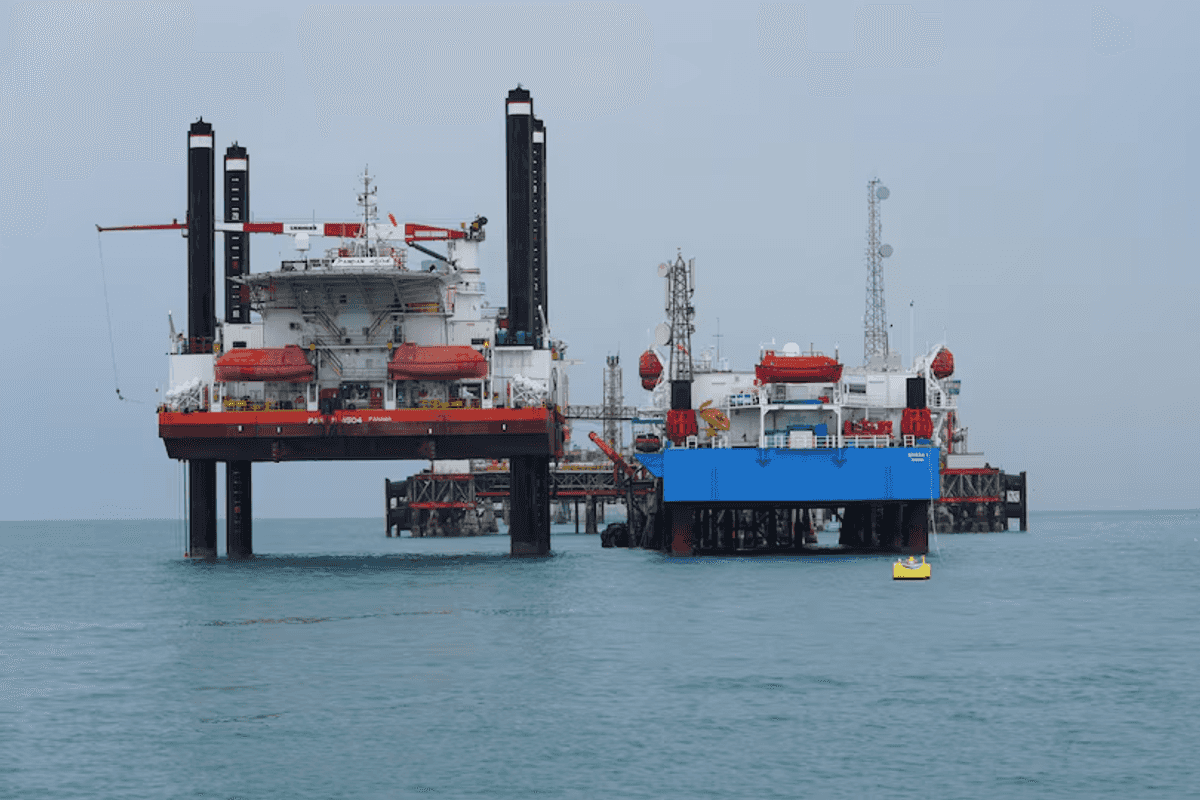
The recovery shows how the UAE rerouted supply during the regional conflict that began in February.
Reuters
UAE oil exports rebounded to nearly 85% of pre-war levels by early June, despite months of Strait of Hormuz disruptions, Bloomberg reported, citing International Energy Agency data.
The recovery shows how the UAE rerouted supply during the regional conflict that began in February.
How did UAE oil exports rebound despite the Hormuz closure?
UAE oil exports rebounded by rerouting crude through pipelines, storage hubs and alternative export corridors instead of relying solely on the Strait of Hormuz. This let one of the world's largest oil producers sustain significant supply flows even as regional conflict disrupted a critical energy chokepoint.
The recovery began before a US-Iran agreement eased tensions last week.
How much have UAE oil exports actually increased?
The IEA said UAE crude exports rose to 4.3 million barrels per day in early June, up sharply from 1.9 million bpd in March. Hostilities that erupted on Feb. 28 had severely curtailed Gulf energy flows at that time.
The recovery happened ahead of the interim US-Iran deal aimed at partially reopening the strait, through which nearly a fifth of global oil and gas supplies typically pass.
What infrastructure helped UAE oil exports recover?
The IEA said the UAE's extensive logistics network played a central role in sustaining exports during the crisis. This included the 380-kilometer Habshan-Fujairah pipeline, which bypasses the strait and can carry up to 1.8 million bpd directly to the Gulf of Oman. The 42-million-barrel Mandous underground storage facility near Fujairah also supported the country's supply chain.
Toril Bosoni, head of the IEA's oil industry and markets division, along with senior analysts David Martin and Rebecca Schulz, said the UAE maintained a relatively high level of exports despite severe disruptions.
How big was the disruption to oil flows through Hormuz?
The conflict triggered one of the most significant energy supply disruptions on record. The effective closure of the Strait of Hormuz sharply reduced the flow of crude and natural gas from the Middle East. The IEA estimates cumulative oil supply losses from regional producers have exceeded 1.3 billion barrels since the conflict began.
Daily hydrocarbon flows through the strait fell from around 20 million bpd before the war to an average of just 2.7 million bpd between March and May. Like other members of the six-nation Gulf Cooperation Council, the UAE turned to alternative routes to honor supply commitments, particularly to customers across Asia. Some Gulf producers continued limited shipments through Hormuz under naval escort, but volumes remained well below normal levels.
Did other Gulf producers also adapt their oil exports?
The IEA said other major Middle Eastern producers moved quickly to minimize supply disruptions. Saudi Arabia ramped up flows through its East-West pipeline to the Red Sea port of Yanbu, raising crude exports from the terminal from around 2 million bpd before the conflict to more than 5 million bpd in early June.
The kingdom also increased overseas stock drawdowns to support customers, the agency said.
Will global oil flows fully return to normal?
Oil and gas shipments through Hormuz have partially resumed following the US-Iran accord, but analysts say full normalization could take months. The IEA warned that risks remain elevated despite ongoing diplomatic talks between Tehran and Washington. The agency said the situation remains highly unpredictable, citing continued market strain and uncertainty over whether peace negotiations will produce a lasting settlement.
Even if the strait reopens fully, the IEA said the conflict will likely leave a lasting impact on global energy markets. It expects the disruption to reshape trade routes, supply strategies and geopolitical risk calculations for years to come.



Comments
See what people are discussing