

UAE, Qatar bear heaviest losses as US-Iran war shuts gulf oil route
Oxford Economics warns Dubai housing could face pandemic-era price slump

Business Desk
The Business Desk tracks economic trends, market movements, and business developments, offering analysis of both local and global financial news.
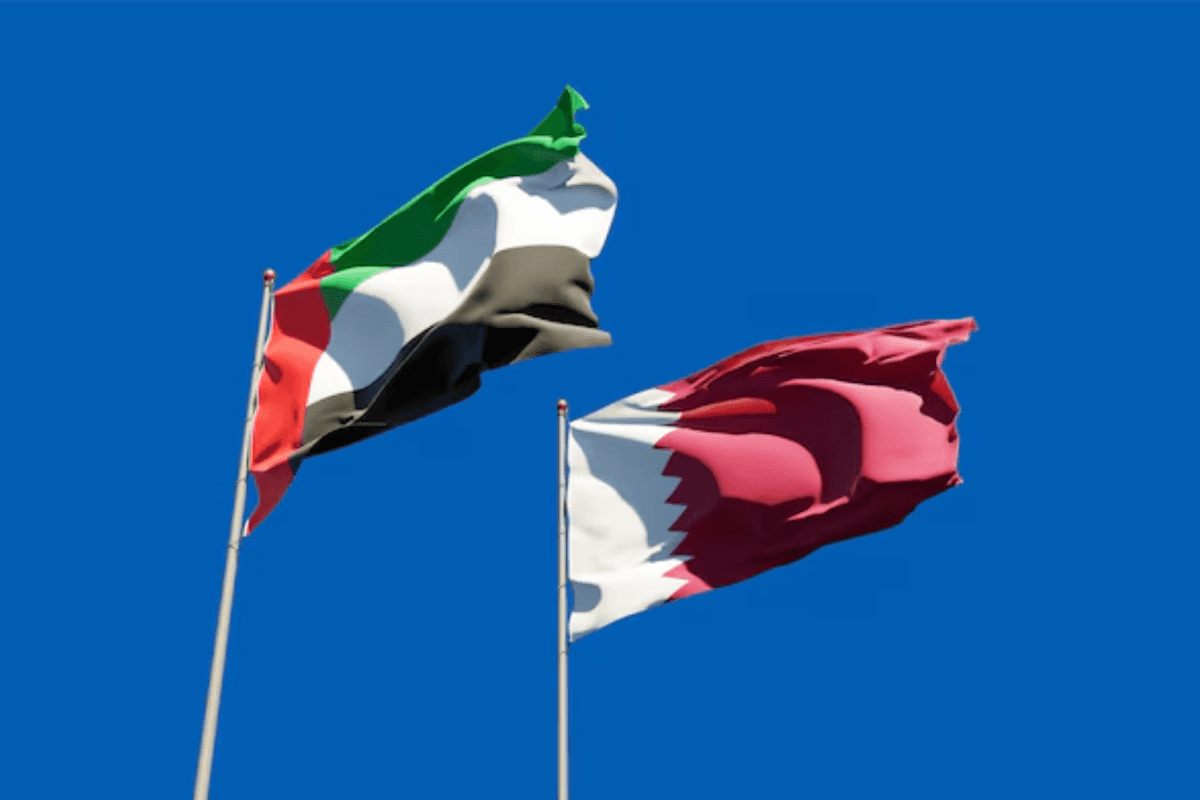
Oxford Economics said financial conditions across the region have tightened amid growing geopolitical uncertainty
File
The United Arab Emirates and Qatar have emerged as the hardest-hit economies in the Gulf since the outbreak of the US-Iran war, facing the steepest growth downgrades in the region as the Strait of Hormuz remains effectively closed to oil and gas traffic, according to Oxford Economics.
Qatar’s GDP growth forecast for 2026 was cut by 7.25 percentage points — the largest reduction among all six Gulf Cooperation Council members. The UAE followed with a 3.2 percentage point downgrade. Across the GCC, Oxford Economics revised growth down by 1.8 percentage points to 2.6% for the year.
“The UAE’s limited alternative options to shipping through the Strait of Hormuz should cause its oil exports to fall more than those of other GCC exporters,” the briefing noted.
At the heart of the crisis is the Strait of Hormuz, the narrow waterway through which roughly 14.7 million barrels of oil per day flow, accounting for 20% of global supply. Since the conflict began, tanker traffic has collapsed. Before the war, 25 oil and gas tankers crossed the strait every day; since early March, only five have passed in total, and in the past three days, no tankers have sailed through.
A 12-fold rise in insurance costs for ships in the strait has prompted most vessels to dock or anchor and wait, further disrupting oil flows.
Financial markets in the region have also reacted sharply. The Dubai Financial Markets General Index closed on March 9 11.5% below pre-conflict levels, making it the worst-performing stock exchange in the GCC.
Qatar Exchange Index fell 5.8%, while the Abu Dhabi General Index lost 5.7%. Bahrain, the most indebted GCC member, has seen a notable rise in credit default swap spreads as investors factor in higher financial risk.
Oxford Economics said financial conditions across the region have tightened amid growing geopolitical uncertainty.
Threat to Dubai’s real estate market
The report flagged a specific vulnerability in Dubai’s property market. Dubai’s residential sector is particularly exposed due to its high dependence on foreign buyers, compounded by a large volume of new housing supply expected this year.
In a more severe scenario, Oxford Economics warned of a potential slump in residential prices similar to the pandemic period, which could increase non-performing loans and force banks to tighten lending, further constraining domestic demand.




Comments
See what people are discussing